


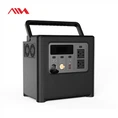
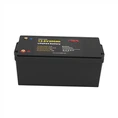
Hey there! As a home battery supplier, I've been getting a lot of questions lately about the environmental impact of home batteries. So, I thought I'd take a deep dive into this topic and share what I've learned.
First off, let's talk about what home batteries are and why they're becoming so popular. Home batteries are essentially large rechargeable batteries that can store electricity generated from renewable sources like solar panels or wind turbines. They allow homeowners to use this stored energy when the sun isn't shining or the wind isn't blowing, reducing their reliance on the grid and potentially saving them money on their energy bills.
One of the biggest environmental benefits of home batteries is their ability to integrate with renewable energy sources. Solar panels and wind turbines are great at generating clean energy, but they're also intermittent. The sun doesn't shine 24/7, and the wind doesn't blow constantly. This means that without a way to store the energy they produce, a lot of it can go to waste. Home batteries solve this problem by storing excess energy during times of high production and releasing it when it's needed. This helps to increase the overall efficiency of renewable energy systems and reduces the need for fossil fuel-based power plants to make up for the shortfall.
For example, let's say you have a solar panel system on your roof. During the day, when the sun is shining brightly, your panels are generating more electricity than you can use. Instead of sending this excess energy back to the grid (where it might be used to power dirty coal or gas plants), you can store it in your home battery. Then, at night or on cloudy days, you can use the stored energy to power your home, reducing your carbon footprint.
Another environmental advantage of home batteries is their potential to reduce peak demand on the grid. Peak demand occurs when a large number of people are using electricity at the same time, usually during the early evening when people get home from work and turn on their lights, TVs, and other appliances. This can put a strain on the grid and often requires power plants to ramp up their production, which can lead to increased emissions of greenhouse gases and other pollutants.
By using a home battery to store energy during off-peak hours and discharge it during peak hours, homeowners can help to level out the demand on the grid. This reduces the need for power plants to operate at full capacity during peak times, which in turn reduces emissions and helps to make the grid more stable and efficient.
But it's not all sunshine and rainbows when it comes to home batteries. There are also some environmental concerns associated with their production, use, and disposal.
The production of home batteries requires a significant amount of energy and raw materials. Many home batteries use lithium-ion technology, which requires the extraction of lithium, cobalt, and other rare earth metals. The mining and processing of these metals can have a major impact on the environment, including deforestation, water pollution, and soil degradation. Additionally, the manufacturing process itself consumes a lot of energy, much of which may come from non-renewable sources.


However, it's important to note that the environmental impact of battery production is decreasing over time as technology improves and more sustainable manufacturing practices are adopted. Many battery manufacturers are now investing in research and development to find more efficient ways to produce batteries and to reduce their reliance on rare earth metals.
When it comes to the use of home batteries, there are also some considerations. While home batteries are generally more efficient than traditional fossil fuel-based generators, they still require energy to charge. If the electricity used to charge the battery comes from a dirty source like a coal-fired power plant, then the environmental benefits of the battery may be diminished. That's why it's important for homeowners to pair their home batteries with renewable energy sources like solar panels or wind turbines to maximize their environmental impact.
Finally, the disposal of home batteries is a significant environmental concern. Lithium-ion batteries contain toxic chemicals and heavy metals that can leach into the soil and water if not disposed of properly. Recycling these batteries is a complex and expensive process, and currently, the recycling rates for lithium-ion batteries are relatively low. However, there are efforts underway to improve battery recycling technologies and increase the recycling rates, which will help to reduce the environmental impact of battery disposal.
So, what can we do as consumers and suppliers to minimize the environmental impact of home batteries?
As a supplier, I'm committed to promoting the use of home batteries in conjunction with renewable energy sources. I encourage my customers to invest in solar panel systems or other renewable energy technologies and to use their home batteries to store the excess energy they produce. This not only helps to reduce their carbon footprint but also saves them money in the long run.
I also support the development of more sustainable battery technologies and manufacturing processes. By working with battery manufacturers and researchers, I hope to help bring to market batteries that are more efficient, use fewer rare earth metals, and have a lower environmental impact throughout their lifecycle.
For consumers, there are several steps you can take. First, make sure you're getting your home battery from a reputable supplier who is committed to sustainability. Look for batteries that are made using environmentally friendly materials and manufacturing processes. Second, pair your home battery with a renewable energy source like solar panels or wind turbines to maximize its environmental benefits. And finally, when it's time to replace your battery, make sure you dispose of it properly. Look for recycling programs in your area or contact your battery supplier for guidance on how to recycle your battery safely.
In addition to home batteries, there are also other portable power solutions that can have a positive environmental impact. For example, the 1000W Portable Generator For Outdoor Camping is a great option for those who love to spend time in the great outdoors. It provides a reliable source of power without the need for noisy and polluting gasoline generators. Similarly, the 500W Solar Portable Power Station and the Sunnew Portable Outdoor Solar Energy System Power Station 700w Lithium Ion Portable Power Station are both powered by the sun, making them clean and sustainable alternatives to traditional power sources.
In conclusion, home batteries have the potential to play a significant role in the transition to a more sustainable energy future. While they do have some environmental drawbacks, their benefits in terms of increasing the efficiency of renewable energy systems, reducing peak demand on the grid, and lowering carbon emissions far outweigh the negatives. As a home battery supplier, I'm excited to be part of this growing industry and to help my customers make more environmentally friendly choices.
If you're interested in learning more about home batteries or other portable power solutions, or if you're ready to make a purchase, I'd love to hear from you. Contact me to start a conversation about how we can work together to meet your energy needs while minimizing your environmental impact.
References
- "The Role of Energy Storage in a Renewable Energy Future." International Renewable Energy Agency (IRENA).
- "Lithium-Ion Batteries: Environmental Impact and Recycling." Journal of Power Sources.
- "Peak Demand Management and Energy Storage." U.S. Department of Energy.