


Hey there! As an outdoor battery supplier, I've seen firsthand how different environmental factors can mess with battery performance. One of the most overlooked elements is humidity. You might not think much about it, but humidity can have a big impact on your outdoor batteries. Let's dive into how humidity affects an outdoor battery and what you can do about it.
What is Humidity?
Before we get into the nitty - gritty of how humidity affects batteries, let's quickly define what humidity is. Humidity is basically the amount of water vapor in the air. It's measured as a percentage, and it can vary widely depending on where you are and the time of day. High humidity means there's a lot of water vapor in the air, while low humidity means there's not much.
How Humidity Affects Battery Chemistry
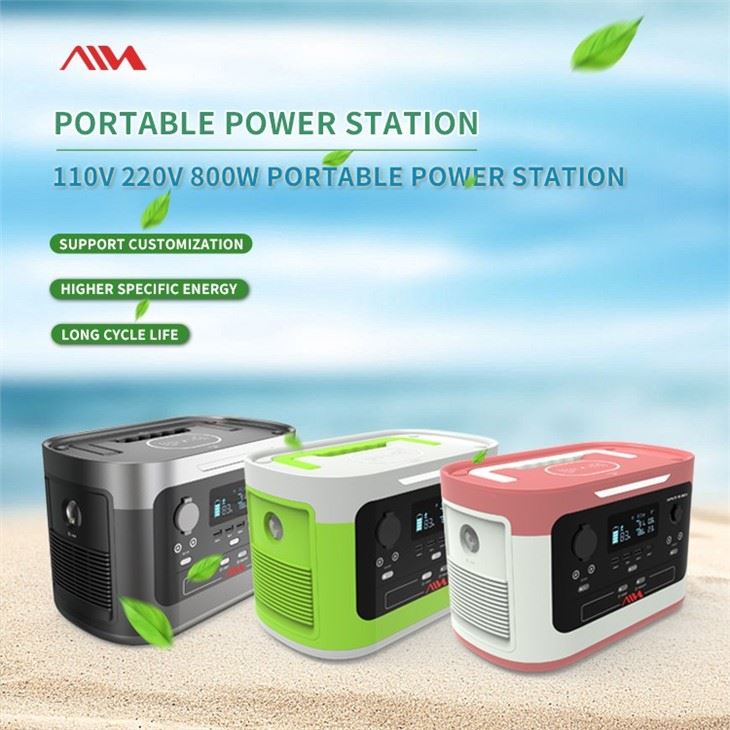
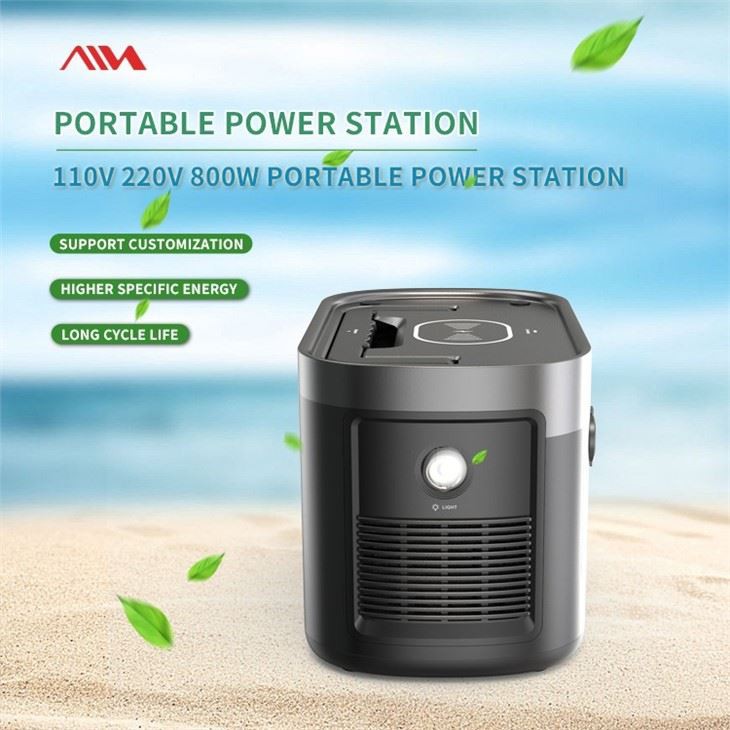
Most outdoor batteries, like the ones in our 800W Portable Generator For Outdoor Camping, use some form of electrochemical reaction to produce electricity. These reactions involve the movement of ions between electrodes.
When the humidity is high, the water vapor in the air can seep into the battery. Water is a conductor of electricity, and it can cause unwanted chemical reactions inside the battery. For example, it can react with the battery's electrodes and electrolyte. This can lead to corrosion of the electrodes. Corrosion is like rust on metal; it eats away at the electrode material, reducing its ability to participate in the electrochemical reaction. As a result, the battery's capacity decreases, and it won't be able to hold as much charge as it used to.
In extreme cases, high humidity can even cause short - circuits inside the battery. If water gets between the positive and negative terminals of the battery, it can create a path for the electricity to flow outside of the intended circuit. This not only drains the battery quickly but can also be dangerous, as it might lead to overheating or even a fire.
Impact on Battery Life
The lifespan of an outdoor battery is also affected by humidity. A battery that's constantly exposed to high humidity will age faster than one in a dry environment. The corrosion and short - circuits we talked about earlier gradually degrade the battery's internal components. This means you'll have to replace your battery more often.
Let's say you have a 1200W Portable Solar Generator 1228Wh Lithium Battery Portable Power Station. In a dry climate, this battery might last for several years with proper use and maintenance. But if you use it in a humid coastal area, its lifespan could be cut in half. That's a big difference, especially when you consider the cost of replacing a high - capacity battery.
Performance in Different Humidity Levels
Low Humidity
Low humidity might seem like a dream for battery performance, but it's not all sunshine and rainbows. In very dry conditions, the electrolyte inside the battery can start to dry out. The electrolyte is a crucial part of the battery that allows the ions to move between the electrodes. If it dries up, the battery's performance will decline. The battery might not be able to deliver power as efficiently, and its voltage might drop more quickly under load.
High Humidity
As we've already discussed, high humidity is generally bad news for batteries. But the exact impact can vary depending on the type of battery. For example, lithium - ion batteries, which are commonly used in our Sunnew 1229Wh Big Capacity Multi - function Emergency Power Supply Quick Charge Solar Charging 1000W Portable Power Station, are more sensitive to humidity than some other types. They can experience faster corrosion and more severe performance degradation in high - humidity environments.
Protecting Your Outdoor Batteries from Humidity
So, what can you do to protect your outdoor batteries from the effects of humidity?
Storage
When you're not using your batteries, store them in a dry place. A climate - controlled storage area is ideal. If you don't have access to one, you can use a sealed container with a desiccant. A desiccant is a substance that absorbs moisture from the air. Silica gel packets, which you often find in new shoe boxes or electronics packaging, are a common type of desiccant.
Use Protective Cases
Invest in a good quality protective case for your battery. These cases are designed to keep out moisture and other environmental contaminants. They can be especially useful if you're using your battery in a humid outdoor environment on a regular basis.
Regular Maintenance
Check your batteries regularly for signs of corrosion or damage. If you notice any corrosion on the terminals, clean it off with a mixture of baking soda and water. Make sure to dry the battery thoroughly after cleaning.
Conclusion
Humidity is a major factor that can affect the performance, lifespan, and safety of your outdoor batteries. Whether you're using a small portable battery for camping or a large - capacity power station for an outdoor event, it's important to be aware of how humidity can impact your battery.
At our company, we're committed to providing high - quality outdoor batteries that can withstand a variety of environmental conditions. But even the best batteries need a little help to perform at their best in humid environments. By following the tips we've discussed, you can extend the life of your battery and ensure it continues to provide reliable power.
If you're in the market for a new outdoor battery or have any questions about how to protect your existing ones from humidity, don't hesitate to reach out. We're here to help you make the right choice and keep your outdoor adventures powered up. Let's start a conversation about your battery needs and find the perfect solution for you.
References
- Linden, D., & Reddy, T. B. (2002). Handbook of Batteries. McGraw - Hill.
- Broussely, M., et al. (2004). "Ageing mechanisms in lithium - ion batteries." Journal of Power Sources. 136(1 - 2): 75 - 86.