



When it comes to operating a forklift efficiently, one of the most critical decisions you'll make is choosing the right battery. As a seasoned forklift battery supplier, I've witnessed firsthand the impact that the correct battery choice can have on productivity, cost - effectiveness, and overall equipment performance. In this blog, I'll share some key factors to consider when selecting a forklift battery.
1. Capacity and Power Requirements
The first step in choosing the right forklift battery is to understand your forklift's power requirements. This is determined by the forklift's make, model, and the type of work it will be doing. For example, if your forklift is used for heavy - duty tasks such as lifting large loads or operating in a multi - shift environment, you'll need a battery with a higher capacity.
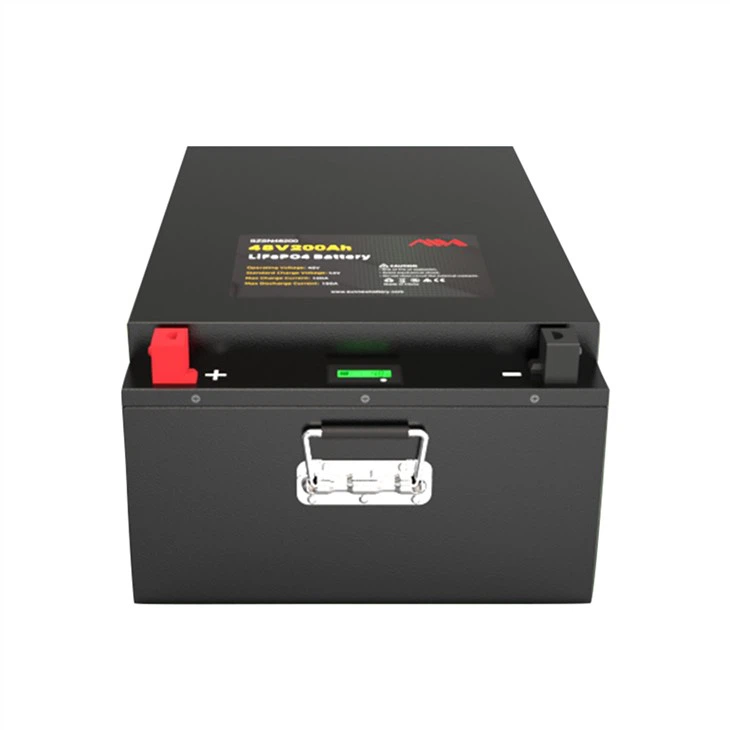
Capacity is typically measured in ampere - hours (Ah). A higher Ah rating means the battery can store more energy and will generally provide longer run times between charges. For instance, a Deep Cycle 48V 200ah EV Battery offers a relatively high capacity, which is suitable for forklifts that are in constant use.
Power is another important aspect. It's related to the voltage of the battery. Forklifts commonly use 24V, 36V, or 48V batteries. Higher voltage batteries can deliver more power, which is beneficial for forklifts with high - power requirements, such as those with large motors or those that need to operate at high speeds.
2. Battery Type
There are several types of forklift batteries available, each with its own advantages and disadvantages.
Lead - Acid Batteries
Lead - acid batteries have been the traditional choice for forklifts for many years. They are relatively inexpensive, widely available, and easy to maintain. However, they have some drawbacks. They are heavy, which can reduce the forklift's payload capacity. They also require regular watering and proper ventilation during charging to prevent the release of hydrogen gas.
Lithium - Ion Batteries
Lithium - ion batteries, especially Deep Cycle 200ah 48v Lithium Iron Phosphate Rechargeable Lifepo4 Lithium Battery Pack, are becoming increasingly popular in the forklift industry. They offer several benefits over lead - acid batteries. They are lighter, which can increase the forklift's payload capacity. They have a longer lifespan, typically lasting 2 - 3 times longer than lead - acid batteries. They also charge faster and do not require watering, which can save time and reduce maintenance costs. Additionally, they can be charged at any time without the need for a full discharge, which is known as the "memory effect" and is common in lead - acid batteries.
Nickel - Cadmium (Ni - Cd) Batteries
Ni - Cd batteries were once popular but are now less common. They are durable and can withstand deep discharges. However, they are expensive, contain toxic cadmium, and have a relatively low energy density compared to lithium - ion batteries.
3. Operating Environment
The environment in which the forklift will operate also plays a crucial role in battery selection.
Temperature
Extreme temperatures can have a significant impact on battery performance. Lead - acid batteries are more sensitive to temperature changes. In cold temperatures, their capacity can be reduced, and in hot temperatures, they can overheat and lose water more quickly. Lithium - ion batteries, on the other hand, perform better in a wider range of temperatures. For example, in a cold storage facility, a lithium - ion battery like the 48V 100ah Lifepo4 Bms Inside Battery may be a better choice as it can maintain its performance in low - temperature conditions.
Humidity
High humidity can cause corrosion on battery terminals and other components. If the forklift operates in a humid environment, it's important to choose a battery with good corrosion resistance. Some batteries come with special coatings or designs to protect against humidity.
Dust and Dirt
In dusty or dirty environments, batteries can get clogged, which can affect their performance and lifespan. Look for batteries with sealed cases or designs that prevent dust and dirt from entering.
4. Charging Infrastructure
The charging infrastructure available at your facility is another important consideration.
Charging Time
If your forklifts need to be back in operation quickly, you'll need a battery that can be charged rapidly. Lithium - ion batteries generally have a much faster charging time compared to lead - acid batteries. For example, a lead - acid battery may take 8 - 10 hours to fully charge, while a lithium - ion battery can be charged in as little as 1 - 2 hours.
Charging Location
You need to have a suitable location for charging the batteries. This location should be well - ventilated, especially for lead - acid batteries, to prevent the buildup of hydrogen gas. It should also have the appropriate electrical supply to match the battery's charging requirements.
5. Total Cost of Ownership
When choosing a forklift battery, it's important to consider the total cost of ownership rather than just the upfront cost.
Upfront Cost
Lead - acid batteries are generally cheaper upfront compared to lithium - ion batteries. However, when you factor in the long - term costs, such as maintenance, replacement frequency, and energy consumption, lithium - ion batteries may be more cost - effective in the long run.
Maintenance Costs
Lead - acid batteries require regular maintenance, including watering, equalizing charges, and cleaning of terminals. These maintenance tasks can add up over time. Lithium - ion batteries, on the other hand, require very little maintenance, which can save you money in the long term.

Energy Efficiency
Lithium - ion batteries are more energy - efficient than lead - acid batteries. They can convert a higher percentage of the stored energy into usable power, which means you'll spend less on electricity over the life of the battery.
Conclusion
Choosing the right forklift battery is a complex decision that requires careful consideration of multiple factors, including capacity, battery type, operating environment, charging infrastructure, and total cost of ownership. As a forklift battery supplier, I'm here to help you make the best choice for your specific needs. Whether you're looking for a high - capacity lead - acid battery or a long - lasting lithium - ion battery, we have a wide range of products to meet your requirements.
If you're interested in learning more about our forklift batteries or would like to discuss your specific needs, please feel free to reach out. We're ready to assist you in finding the perfect battery solution for your forklifts.
References
- Forklift Battery Handbook, Industry Publication
- Battery Technology Research Reports, Academic Journals
- Interviews with Forklift Operators and Maintenance Personnel