



Hey there! As a supplier of cylindrical cells, I often get asked about the differences between the 21700 and 18650 cylindrical cells. So, I thought I'd write this blog to break it all down for you.
Let's start with a bit of background. The 18650 cell has been around for ages. The numbers 18650 stand for its dimensions - 18mm in diameter and 65mm in length. It's been the go - to choice for a lot of applications, from laptops to power tools and even electric vehicles in the early days. On the other hand, the 21700 cell is a relatively newer player. Its name also comes from its size: 21mm in diameter and 70mm in length.
Capacity
One of the most significant differences between these two cells is their capacity. Generally speaking, the 21700 cell can hold more energy. The larger physical size of the 21700 allows for more active material inside the cell, which translates to a higher capacity. For example, a typical 18650 cell might have a capacity ranging from 2000mAh to 3500mAh. In contrast, 21700 cells can easily reach capacities of 4000mAh or even higher.
If you're using these cells in a device that requires long - lasting power, like an electric bike or a high - end flashlight, the 21700 cell is going to give you more runtime between charges. This increased capacity can be a game - changer, especially for applications where you can't afford to stop and recharge frequently.

Energy Density
Energy density is another crucial factor. It refers to the amount of energy stored in a given volume or mass of the battery. The 21700 cell has a higher energy density compared to the 18650 cell. This means that for the same amount of space, the 21700 can store more energy.
In practical terms, if you're designing a product where space is limited, like a compact power bank or a small electric vehicle, using 21700 cells can allow you to pack more power into a smaller package. It gives you the opportunity to create more efficient and lightweight products.
Power Output
When it comes to power output, the 21700 also has an edge. Thanks to its larger size and better internal design, it can handle higher currents. This is particularly important for high - power applications such as electric vehicles and power tools.
For instance, in an electric vehicle, a high - power battery is needed to provide the quick acceleration and high - speed performance. The 21700 cell can deliver the necessary power more effectively than the 18650 cell. This results in better overall performance and a more responsive driving experience.
Cost
Now, let's talk about cost. As a general rule, the 21700 cells are a bit more expensive than the 18650 cells. This is mainly because they are newer technology, and the production process might be more complex. However, the cost difference is gradually decreasing as the production volume of 21700 cells increases.
If you're on a tight budget and your application doesn't require the high capacity or power output of the 21700 cell, the 18650 cell might be a more cost - effective choice. But if you're willing to invest a bit more for better performance and longer runtime, the 21700 cell is worth considering.
Applications
The 18650 cell has a wide range of applications. It's commonly used in laptops, flashlights, vape pens, and some older models of electric vehicles. Its long - standing presence in the market means that there are a lot of existing products designed to use this cell.
On the other hand, the 21700 cell is becoming increasingly popular in high - end applications. Tesla, for example, uses 21700 cells in some of its electric vehicles. They are also being used in high - performance power tools, high - end flashlights, and large - scale energy storage systems.
Our Product Range
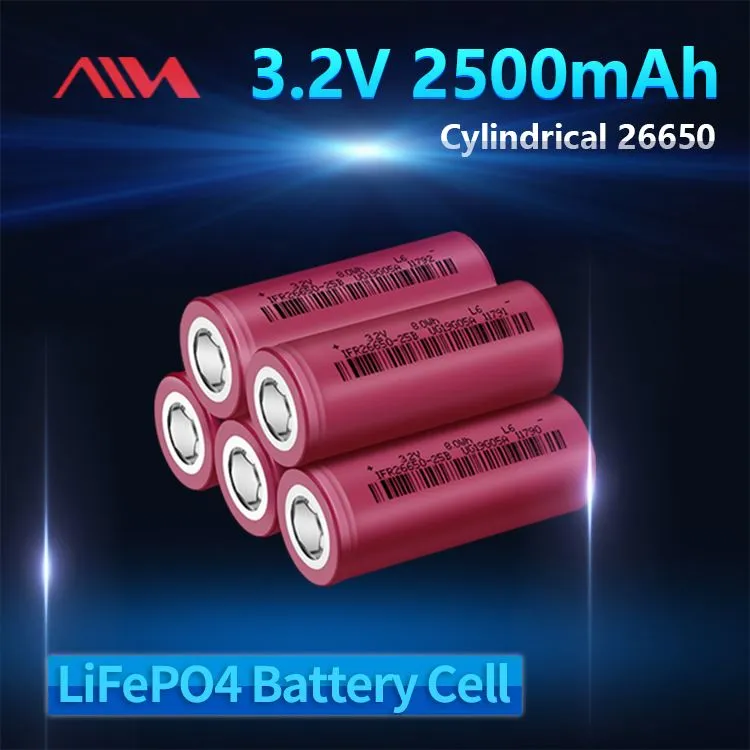
As a cylindrical cell supplier, we offer a variety of cells to meet different needs. If you're interested in high - rate cells, check out our High Rate 3.2v 2500mah Lifepo4 Cell. It's a great option for applications that require quick charging and discharging.
For those who need a higher capacity, our Cylindrical 3.2v 3300mah Lifepo4 Cell is a solid choice. And if you're looking for a high - voltage cell, our Cylindrical 3.6v 5000mah NCM Cell can provide the power you need.
Conclusion
In conclusion, both the 21700 and 18650 cells have their own strengths and weaknesses. The 21700 cell offers higher capacity, energy density, and power output, but it comes at a slightly higher cost. The 18650 cell, on the other hand, is more affordable and has a well - established market presence.
When choosing between the two, you need to consider your specific application requirements, budget, and space constraints. If you're still not sure which cell is right for you, feel free to reach out to us. We're here to help you make the best decision for your project. Whether you're a manufacturer looking to source cells for your products or an individual in need of high - quality batteries, we can provide you with the right solutions.
If you're interested in purchasing our cylindrical cells, don't hesitate to contact us for a quote and to start a procurement discussion. We're committed to providing you with top - notch products and excellent customer service.
References
- Battery University: A comprehensive resource for battery technology information.
- Industry reports on cylindrical cell production and market trends.