




As a supplier of forklift batteries, I've witnessed firsthand the critical role these power sources play in the smooth operation of industrial equipment. One of the most common questions I encounter from customers is how the age of a forklift battery affects its performance. In this blog post, I'll delve into the science behind this phenomenon, exploring the various factors that come into play and offering insights on how to manage battery aging effectively.
Understanding the Basics of Forklift Batteries
Before we dive into the impact of age on battery performance, let's first understand the basic components and functions of a forklift battery. Forklift batteries, also known as traction batteries, are designed to provide the necessary power to operate forklifts and other industrial vehicles. They typically consist of multiple cells connected in series to achieve the desired voltage, and are available in different chemistries, including lead-acid and lithium-ion.
Lead-acid batteries have been the traditional choice for forklifts due to their relatively low cost and high energy density. However, they require regular maintenance, such as watering and equalizing charges, and have a limited lifespan. Lithium-ion batteries, on the other hand, offer several advantages over lead-acid batteries, including longer lifespan, faster charging times, and higher energy efficiency. They are also maintenance-free, making them a popular choice for modern forklift applications.
The Impact of Age on Forklift Battery Performance
As a forklift battery ages, its performance gradually declines due to a variety of factors. One of the primary causes of battery degradation is the chemical reactions that occur within the battery cells over time. These reactions can lead to the formation of lead sulfate crystals on the battery plates, which can reduce the battery's capacity and performance. In addition, the electrolyte in lead-acid batteries can become depleted over time, further reducing the battery's ability to hold a charge.
Another factor that can affect battery performance is the number of charge-discharge cycles the battery has undergone. Each time a battery is charged and discharged, it experiences a certain amount of wear and tear, which can gradually reduce its capacity and lifespan. Over time, the battery may become less able to hold a charge, resulting in shorter run times and reduced productivity.
Temperature also plays a significant role in battery aging. High temperatures can accelerate the chemical reactions within the battery cells, leading to faster degradation and reduced lifespan. Conversely, low temperatures can reduce the battery's capacity and performance, making it less efficient in cold environments.
Signs of Aging Forklift Batteries
There are several signs that indicate a forklift battery is aging and may require replacement. These include:
- Reduced run time: If your forklift is experiencing shorter run times than usual, it may be a sign that the battery is losing its capacity. This can result in decreased productivity and increased downtime as the battery needs to be recharged more frequently.
- Slow charging: A battery that takes longer to charge than usual may be a sign of aging. This can be due to a variety of factors, including reduced capacity, internal resistance, or a faulty charger.
- Corrosion and damage: Visible signs of corrosion or damage on the battery terminals or casing can indicate that the battery is aging and may need to be replaced. Corrosion can cause poor electrical connections, leading to reduced performance and potential safety hazards.
- Increased maintenance requirements: As a battery ages, it may require more frequent maintenance, such as watering or equalizing charges. If you find yourself spending more time and money on battery maintenance, it may be a sign that the battery is reaching the end of its lifespan.
Managing Battery Aging
While battery aging is an inevitable process, there are several steps you can take to manage it effectively and extend the lifespan of your forklift batteries. These include:
- Proper charging and discharging: Following the manufacturer's recommended charging and discharging procedures is essential for maintaining the health and performance of your forklift batteries. Overcharging or undercharging can accelerate battery aging and reduce its lifespan.
- Regular maintenance: Regular maintenance, such as checking the battery water level, cleaning the terminals, and performing equalizing charges, can help prevent battery degradation and extend its lifespan.
- Temperature management: Keeping your forklift batteries within the recommended temperature range can help slow down the aging process and improve their performance. This may involve using insulation, ventilation, or temperature control systems in your battery storage area.
- Upgrading to lithium-ion batteries: If you're still using lead-acid batteries, consider upgrading to lithium-ion batteries. Lithium-ion batteries offer several advantages over lead-acid batteries, including longer lifespan, faster charging times, and higher energy efficiency. They are also maintenance-free, making them a more cost-effective and sustainable option in the long run.
Our Forklift Battery Solutions
At our company, we offer a wide range of forklift batteries to meet the needs of different applications and industries. Our 48V 100ah Lifepo4 Bms Inside Battery is a high-performance lithium-ion battery that offers long run times, fast charging, and reliable performance. It features a built-in battery management system (BMS) that protects the battery from overcharging, over-discharging, and short circuits, ensuring maximum safety and longevity.
Our Rechargeable Smart BMS Bluetooth Lithium Ion Battery 48v 100ah Lithium Battery Lifepo4 Battery is another popular option for forklift applications. This battery offers advanced features such as Bluetooth connectivity, which allows you to monitor the battery's status and performance in real-time using your smartphone or tablet. It also features a smart BMS that optimizes the charging and discharging process, extending the battery's lifespan and improving its efficiency.
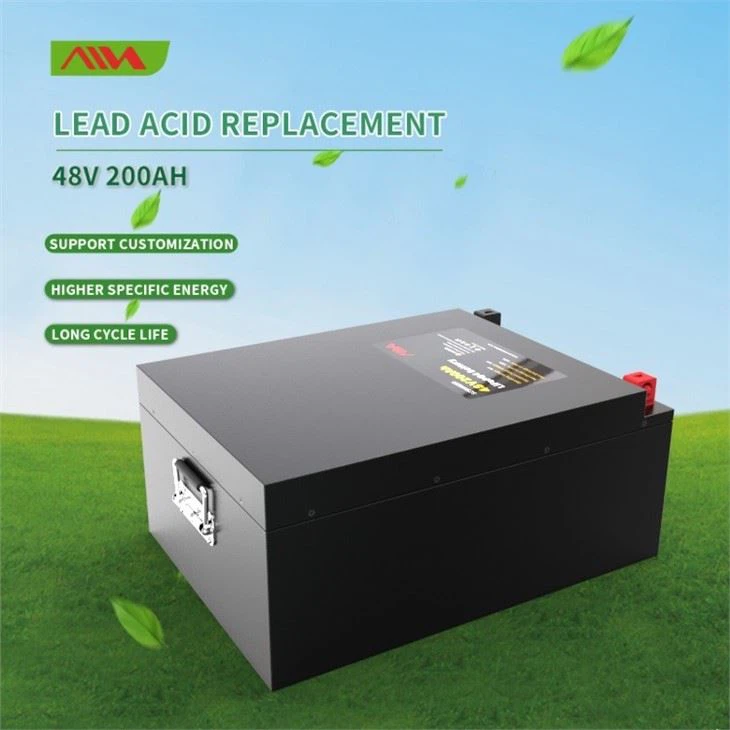
For applications that require even more power, we offer our Deep Cycle 200ah 48v Lithium Iron Phosphate Rechargeable Lifepo4 Lithium Battery Pack. This battery is designed for deep cycle applications, such as forklifts, electric vehicles, and renewable energy storage systems. It offers high energy density, long cycle life, and excellent performance in a variety of environments.
Contact Us for Your Forklift Battery Needs
If you're looking for high-quality forklift batteries that offer reliable performance and long lifespan, look no further than our company. We have a team of experienced professionals who can help you choose the right battery for your application and provide you with the support and service you need to keep your forklifts running smoothly.
Contact us today to learn more about our forklift battery solutions and how we can help you improve the performance and productivity of your industrial operations. We look forward to hearing from you!

References
- "Battery Aging and Performance Degradation in Forklifts," Industrial Battery Association.
- "Understanding Lithium-Ion Batteries for Forklifts," Material Handling Industry of America.
- "Best Practices for Forklift Battery Maintenance," OSHA.