


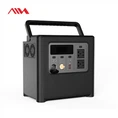
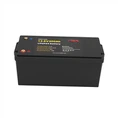

As a cabinet battery supplier, I often get asked about the maintenance cost of cabinet batteries. Understanding these costs is crucial for businesses and individuals looking to invest in reliable energy storage solutions. In this blog, I'll break down the various factors that contribute to the maintenance cost of cabinet batteries and provide insights to help you make informed decisions.
1. Types of Cabinet Batteries and Their General Maintenance Requirements
There are different types of cabinet batteries available in the market, such as lead - acid batteries, lithium - ion batteries (including LiFePO4). Each type has its own unique characteristics and maintenance needs.
-
Lead - Acid Batteries: These are one of the oldest and most commonly used types of batteries. They require regular maintenance to ensure optimal performance. This includes checking the electrolyte levels, which need to be kept at the appropriate level. If the electrolyte levels are too low, it can lead to reduced battery capacity and a shorter lifespan. Additionally, lead - acid batteries are prone to sulfation, a process where lead sulfate crystals form on the battery plates. To prevent this, periodic equalization charging is necessary. Equalization charging helps to break down these crystals and maintain the battery's efficiency.
-
Lithium - Ion Batteries (e.g., LiFePO4): Lithium - ion batteries, especially LiFePO4 batteries, are known for their long lifespan and low maintenance requirements compared to lead - acid batteries. They do not require electrolyte level checks or equalization charging. However, they still need proper temperature management. High temperatures can accelerate the aging process of lithium - ion batteries, so it's important to ensure that the battery cabinets are installed in a well - ventilated area with a stable temperature.
2. Components Affecting Maintenance Cost
The maintenance cost of a cabinet battery is also influenced by its components.
-
Battery Cells: The quality and type of battery cells play a significant role. High - quality cells are less likely to fail prematurely, reducing the need for frequent replacements. For example, our Rack - Mounted 48V 100Ah Lifepo4 5Kwh Telecom uses advanced LiFePO4 cells that are designed for long - term reliability. These cells have a high energy density and a long cycle life, which means fewer cell replacements over the battery's lifespan.
-
Battery Management System (BMS): A BMS is an essential component of a cabinet battery. It monitors and controls the charging and discharging process, ensuring the safety and longevity of the battery. A well - designed BMS can detect issues such as overcharging, over - discharging, and over - temperature conditions. However, if the BMS malfunctions, it can lead to battery damage. Regular software updates may be required to keep the BMS functioning properly, and in some cases, hardware repairs or replacements may be necessary.
-
Cabinet Structure: The cabinet itself needs to be maintained. It should be inspected for any signs of damage, such as cracks or corrosion. A damaged cabinet can expose the batteries to environmental factors, which can affect their performance. For example, if water leaks into the cabinet, it can cause short - circuits or corrosion of the battery components.
3. Labor Costs for Maintenance
Labor costs are another significant part of the maintenance cost.
-
Regular Inspections: Regular inspections are necessary to identify any potential issues early. This involves checking the battery connections, looking for signs of corrosion or loose connections. The frequency of inspections depends on the type of battery and its usage. For lead - acid batteries, inspections may be required monthly or quarterly, while for lithium - ion batteries, semi - annual inspections may be sufficient.
-
Repairs and Replacements: When an issue is identified during an inspection, repairs or replacements may be needed. This could involve replacing a faulty battery cell, a damaged BMS, or a part of the cabinet structure. The labor cost for these repairs depends on the complexity of the task and the skill level of the technician.
4. Cost of Replacement Parts
The cost of replacement parts is a major factor in the overall maintenance cost.
-
Battery Cells: If a battery cell fails, it needs to be replaced. The cost of replacement cells varies depending on the type and capacity. For example, a high - capacity LiFePO4 cell may be more expensive than a lower - capacity one. Our 48V 75Ah Battery 3U Backup 19 Inch Rack uses high - quality LiFePO4 cells, and while the initial investment may be higher, the long - term cost of replacement is often lower due to their durability.
-
BMS and Other Components: The cost of replacing a BMS or other components such as fuses, connectors, and sensors also adds to the maintenance cost. These components need to be of high quality to ensure the proper functioning of the battery system.
5. Impact of Usage and Environment on Maintenance Cost
The way the cabinet battery is used and the environment in which it is installed can significantly affect the maintenance cost.
-
Usage Patterns: If the battery is frequently discharged to a low level or is subjected to high - rate charging and discharging, it can accelerate the aging process and increase the maintenance requirements. For example, in a telecom application where the battery is used for backup power during power outages, the frequency and duration of these outages can impact the battery's lifespan and maintenance cost.
-
Environmental Conditions: Harsh environmental conditions such as extreme temperatures, high humidity, and dust can also increase the maintenance cost. For instance, in a desert environment, the high temperatures can cause the battery to overheat, and the dust can accumulate on the battery components, leading to short - circuits. In a coastal area, the high humidity and salt air can cause corrosion. Our Solar Energy Storage System 48V 50Ah Battery LifePO4 Cabinet Type Lithium Ion Battery is designed to withstand a wide range of environmental conditions, but proper installation and maintenance are still required.
6. Strategies to Reduce Maintenance Cost
There are several strategies that can be employed to reduce the maintenance cost of cabinet batteries.
-
Proper Installation: Ensuring that the battery cabinets are installed correctly is the first step. This includes proper grounding, correct wiring, and adequate ventilation. A well - installed battery system is less likely to experience issues and will require less maintenance.
-
Regular Monitoring: Implementing a regular monitoring system can help to detect issues early. This can be done through remote monitoring, where the battery's performance data such as voltage, current, and temperature are collected and analyzed. By identifying potential problems early, proactive maintenance can be carried out, reducing the overall maintenance cost.
-
Training for Operators: Providing training for the operators who are responsible for the battery system can also help to reduce maintenance cost. Operators who are knowledgeable about the battery's operation and maintenance requirements are more likely to follow the correct procedures, which can prevent unnecessary damage to the battery.
7. Conclusion and Call to Action
In conclusion, the maintenance cost of a cabinet battery is influenced by various factors, including the type of battery, its components, labor costs, replacement parts, usage patterns, and environmental conditions. By understanding these factors and implementing appropriate maintenance strategies, you can minimize the maintenance cost and ensure the long - term reliability of your battery system.


If you are interested in learning more about our cabinet batteries or discussing your specific energy storage needs, we invite you to contact us for a detailed consultation. Our team of experts is ready to assist you in finding the most suitable battery solution for your application and provide guidance on maintenance to keep your costs in check.
References
- Battery University. (n.d.). Understanding Battery Maintenance. Retrieved from [Battery University Website]
- IEEE Standards Association. (2019). IEEE Recommended Practice for Maintenance, Testing, and Replacement of Valve - Regulated Lead - Acid (VRLA) Batteries for Stationary Applications. IEEE Std 1188 - 2019.