


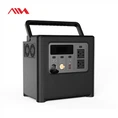
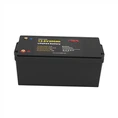
Hey there! As a supplier of wall mount batteries, I've seen firsthand how temperature can have a real impact on these nifty energy storage devices. So, let's dive into how temperature affects a wall mount battery and why it's super important to keep an eye on it.
First off, let's talk about what wall mount batteries are. They're basically rechargeable batteries that you can mount on a wall, and they're used to store energy from things like solar panels. This stored energy can then be used when the sun isn't shining or when there's a power outage. Some of the popular products we offer include the Solar Battery Powerwall 2.56Kwh Lifepo4 Pack, the 10KWH Lithium Battery Pack 48V 200Ah Lifepo4 Batteries Power Wall 10KW Battery Bank Power Supply, and the 10Kwh Power Wall Solar Energy Storage System.
Now, let's get into the nitty - gritty of how temperature messes with these batteries.
High Temperatures
When the temperature rises, it can cause a whole bunch of problems for wall mount batteries. One of the main issues is that high temperatures speed up the chemical reactions inside the battery. You see, a battery works through a series of chemical reactions that store and release energy. But when it's too hot, these reactions happen way too fast.
This rapid chemical activity leads to something called self - discharge. Self - discharge is when the battery loses its charge even when it's not being used. So, if you have a wall mount battery storing energy for a rainy day, high temperatures can make that stored energy disappear quicker than you'd like.
Another big problem is that high heat can damage the battery's electrodes. The electrodes are like the heart of the battery, and they're crucial for the proper flow of electrons. When it's hot, the electrodes can start to break down. This not only reduces the battery's capacity but also shortens its overall lifespan. For example, if a battery is designed to last for 10 years under normal conditions, constant exposure to high temperatures might cut that lifespan down to just a few years.
Moreover, high temperatures can cause the electrolyte in the battery to evaporate. The electrolyte is a liquid or gel that allows the flow of ions between the electrodes. If it evaporates, the battery can't function properly, and it might even stop working altogether.
Low Temperatures
On the flip side, cold temperatures also aren't great for wall mount batteries. When it's cold, the chemical reactions inside the battery slow down. This means that the battery has a harder time charging and discharging. You might notice that your battery doesn't hold as much charge as it does in warmer weather or that it can't deliver power as quickly.


The internal resistance of the battery increases in cold temperatures. Internal resistance is like a roadblock to the flow of electricity. When it goes up, it takes more energy to charge the battery, and the battery loses more energy as heat during the charging and discharging process. This inefficiency can be a real pain, especially if you rely on your wall mount battery for backup power.
In extreme cold, the electrolyte in the battery can even freeze. When this happens, the battery is pretty much useless until it thaws out. And repeated freezing and thawing can cause permanent damage to the battery's structure.
Optimal Temperature Range
So, what's the sweet spot for wall mount batteries? Most wall mount batteries, especially those using lithium - iron - phosphate (LiFePO4) technology like our products, perform best in a temperature range of around 20°C to 25°C (68°F to 77°F). In this range, the chemical reactions inside the battery happen at just the right speed, and the battery can operate at its highest efficiency.
However, we know that it's not always possible to keep your battery in this ideal temperature range. That's why it's important to take some precautions.
How to Mitigate Temperature Effects
If you live in a hot climate, you can install your wall mount battery in a shaded area or use insulation to keep it cool. Some advanced battery systems even come with built - in cooling mechanisms, like fans or heat sinks, to regulate the temperature.
In cold climates, you can insulate the battery to help keep it warm. There are also battery heaters available that can be used to maintain a suitable temperature.
As a supplier, we're always looking for ways to improve the temperature resistance of our wall mount batteries. We're constantly researching and developing new technologies to make our batteries more resilient to different temperature conditions.
Conclusion
In conclusion, temperature has a huge impact on wall mount batteries. High temperatures can lead to self - discharge, electrode damage, and electrolyte evaporation, while low temperatures can slow down chemical reactions and increase internal resistance. By understanding these effects and taking the right precautions, you can ensure that your wall mount battery lasts longer and performs better.
If you're in the market for a reliable wall mount battery, we've got a great selection of products that are designed to meet your energy storage needs. Whether you need a small - scale battery for a home solar system or a larger one for a commercial setup, we've got you covered. Feel free to reach out to us to discuss your requirements and start a procurement negotiation. We're here to help you find the perfect battery solution for your situation.
References
- Linden, D., & Reddy, T. B. (2002). Handbook of Batteries. McGraw - Hill.
- Chen, Z., Cong, T. N., Yang, J., Tan, C., & Liu, C. (2009). Progress in electrical energy storage system: A critical review. Progress in Natural Science, 19(3), 291 - 312.