


As a supplier of 30KWH solar systems, I've witnessed firsthand the growing interest in solar energy and the different choices available to consumers. One of the most common questions I get is about the difference between grid - tied and off - grid 30KWH solar systems. In this blog, I'll break down these two types of systems, highlighting their features, advantages, and disadvantages to help you make an informed decision.
Grid - Tied 30KWH Solar Systems
A grid - tied 30KWH solar system is connected to the local electrical grid. This connection allows homeowners and businesses to use solar power when it's available and draw electricity from the grid when the solar panels aren't producing enough energy, such as at night or during cloudy days.
How it Works
During the day, when the sun is shining, the solar panels convert sunlight into electricity. The electricity generated is then fed into an inverter, which converts the direct current (DC) from the panels into alternating current (AC) that can be used in your home or business. Any excess electricity that you produce is sent back to the grid. In many regions, utility companies offer net metering, which means you get credit for the excess electricity you send back to the grid. These credits can be used to offset your electricity bills when you need to draw power from the grid.
Advantages
- Cost - Effective: Grid - tied systems are generally more affordable than off - grid systems because they don't require large and expensive battery storage systems. You can rely on the grid as your backup power source, which reduces the upfront investment.
- Low Maintenance: With no batteries to maintain, the maintenance requirements for grid - tied systems are relatively low. You mainly need to keep the solar panels clean and ensure the inverter is functioning properly.
- Energy Independence (to an extent): While you're still connected to the grid, you can significantly reduce your reliance on traditional energy sources. By generating your own electricity, you can save on your monthly utility bills.
Disadvantages
- Power Outages: One of the main drawbacks of grid - tied systems is that they usually shut down during power outages. This is a safety feature to prevent electricity from flowing back into the grid and potentially harming utility workers who are trying to repair the power lines.
- Limited Energy Storage: Since there is no battery storage (or very limited in some cases), you can't store excess energy for use during times when the grid is down or when your solar panels aren't producing enough power.
Off - Grid 30KWH Solar Systems
An off - grid 30KWH solar system is completely independent of the electrical grid. It is designed to generate, store, and supply all the electricity you need on your own.
How it Works
Similar to grid - tied systems, off - grid systems use solar panels to convert sunlight into electricity. The electricity is then sent to a charge controller, which regulates the flow of electricity to the batteries. The batteries store the electricity for later use. When you need to use electricity, the stored DC power in the batteries is sent to an inverter, which converts it into AC power for use in your home or business.
Advantages
- Complete Energy Independence: Off - grid systems give you the freedom to generate and use your own electricity without relying on the grid. This is especially beneficial for remote areas where grid connection may be difficult or expensive.
- Power During Outages: Since you have your own battery storage, you can continue to use electricity during power outages. This provides a reliable source of power in case of emergencies.
Disadvantages
- High Upfront Costs: Off - grid systems are more expensive than grid - tied systems because they require large battery banks for energy storage. The cost of batteries can be a significant portion of the total system cost.
- Complex Installation and Maintenance: Installing an off - grid system is more complex than a grid - tied system. You need to carefully size the system to meet your energy needs and ensure proper installation of the batteries, charge controllers, and inverters. Additionally, batteries have a limited lifespan and need to be replaced periodically, which adds to the long - term maintenance costs.
Comparing Grid - Tied and Off - Grid 30KWH Solar Systems
Cost
As mentioned earlier, grid - tied systems are generally more cost - effective in terms of upfront investment. However, over the long term, the cost of off - grid systems may be offset by the savings from not having to pay for grid - supplied electricity.

Energy Storage
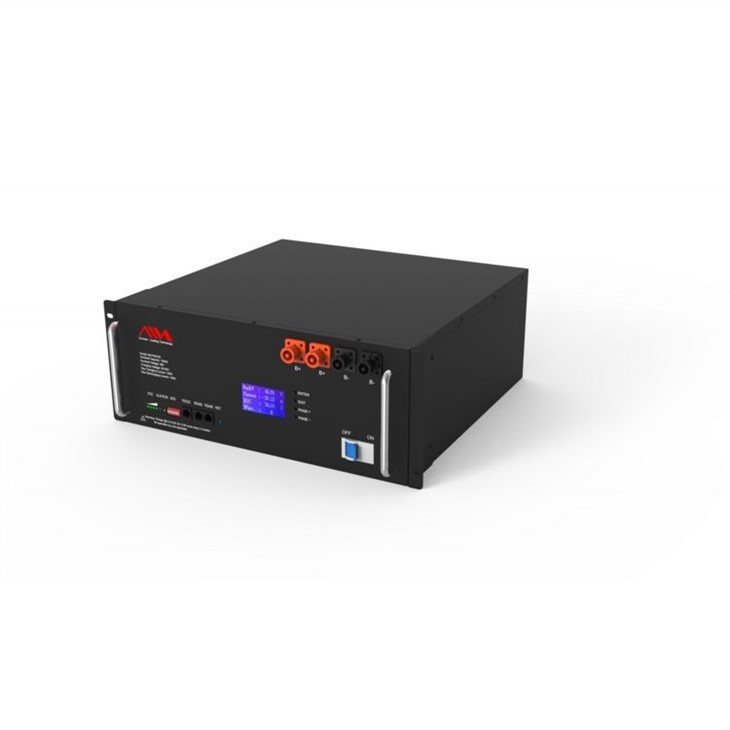
Grid - tied systems typically have little to no energy storage, relying on the grid as a backup. Off - grid systems, on the other hand, are designed with battery storage to ensure a continuous supply of electricity. For example, if you are interested in battery storage options, you can check out our Brick 30KWh Battery For Home ESS, Brick 20KWh Battery For Home ESS, and Solar Home 15KWh Brick 51.2v 300ah Lifepo4 ESS.
Reliability
Grid - tied systems are generally reliable as long as the grid is operational. However, they are vulnerable to power outages. Off - grid systems offer more reliability during power outages but require careful system design and maintenance to ensure consistent performance.
Environmental Impact
Both grid - tied and off - grid systems are environmentally friendly as they use solar energy, a renewable resource. However, off - grid systems may have a slightly higher environmental impact due to the production and disposal of batteries.
Which System is Right for You?
The choice between a grid - tied and off - grid 30KWH solar system depends on several factors:
- Location: If you live in a remote area where grid connection is difficult or expensive, an off - grid system may be the best option. On the other hand, if you are in an area with a reliable grid, a grid - tied system may be more suitable.
- Energy Needs: Consider your daily and monthly energy consumption. If you have high energy demands and want to be completely self - sufficient, an off - grid system may be necessary. However, if you can tolerate some reliance on the grid, a grid - tied system can still meet your needs while saving you money.
- Budget: Your budget will play a significant role in your decision. If you have a limited budget, a grid - tied system may be more feasible. But if you are willing to make a larger upfront investment for long - term energy independence, an off - grid system could be worth considering.
Conclusion
Both grid - tied and off - grid 30KWH solar systems have their own unique features, advantages, and disadvantages. As a supplier of 30KWH solar systems, I can help you evaluate your specific needs and determine which system is the best fit for you. Whether you are looking for a cost - effective way to reduce your energy bills or complete energy independence, we have the expertise and products to meet your requirements.
If you are interested in learning more about our 30KWH solar systems or would like to discuss your specific needs, please feel free to reach out to us. We are here to assist you in making the right choice for your energy future.
References
- "Solar Power Basics." Solar Energy Industries Association.
- "Grid - Tied vs. Off - Grid Solar Systems." National Renewable Energy Laboratory.