




As a seasoned 12V battery supplier, I've encountered countless inquiries about the lifespan of 12V batteries. This topic is crucial for consumers, as understanding how long a 12V battery lasts can help them make informed decisions when purchasing and using these power sources. In this blog post, I'll delve into the factors that influence the lifespan of 12V batteries, provide estimates for different types of 12V batteries, and offer tips on how to extend their longevity.
Factors Affecting the Lifespan of 12V Batteries
The lifespan of a 12V battery is not a fixed value; instead, it's influenced by a multitude of factors. Here are some of the most significant ones:
Type of Battery
There are several types of 12V batteries available on the market, each with its own characteristic lifespan. The most common types include lead-acid batteries, lithium-ion batteries, and nickel-metal hydride (NiMH) batteries.
- Lead-Acid Batteries: These are the oldest and most widely used type of 12V batteries. They are relatively inexpensive and can provide high current output. However, their lifespan is typically shorter compared to other types, ranging from 2 to 5 years. Lead-acid batteries are further divided into flooded lead-acid (FLA) and valve-regulated lead-acid (VRLA) batteries. FLA batteries require regular maintenance, such as adding water, while VRLA batteries are maintenance-free but can be more sensitive to overcharging and high temperatures.
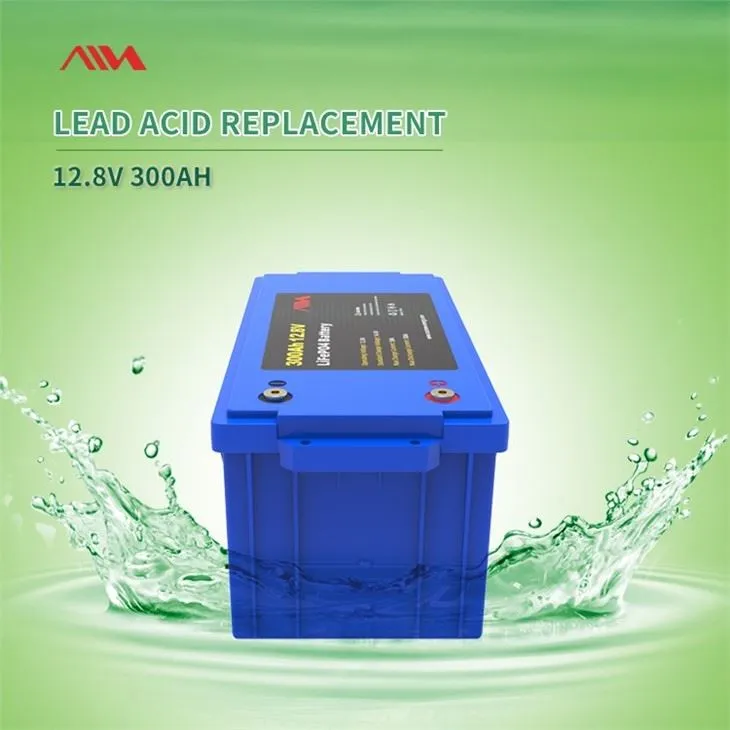
- Lithium-Ion Batteries: Lithium-ion batteries have gained popularity in recent years due to their high energy density, long lifespan, and low self-discharge rate. They can last anywhere from 5 to 15 years, depending on the quality of the battery and how it's used. Lithium-ion batteries are also lighter and more compact than lead-acid batteries, making them ideal for applications where weight and space are concerns. For example, our 12V 300ah Lifepo4 Bms Inside Power System and Deep Cycle Solar RV Caravan Marine 12 Volt Lithium Ion Batteries 12V 100ah LiFePO4 Battery are designed to provide long-lasting and reliable power for various applications.
- Nickel-Metal Hydride (NiMH) Batteries: NiMH batteries are a good alternative to lead-acid and lithium-ion batteries. They have a longer lifespan than lead-acid batteries, typically ranging from 3 to 7 years, and are more environmentally friendly than lead-acid batteries. However, they have a lower energy density than lithium-ion batteries and can be more expensive.
Usage Patterns
How a 12V battery is used can have a significant impact on its lifespan. Here are some usage patterns that can affect battery life:
- Depth of Discharge (DoD): The depth of discharge refers to the percentage of the battery's capacity that is used during each discharge cycle. For example, if a 12V battery has a capacity of 100Ah and is discharged to 50Ah, the DoD is 50%. Generally, the lower the DoD, the longer the battery's lifespan. Lead-acid batteries, in particular, are sensitive to deep discharges and can experience reduced lifespan if they are regularly discharged below 50% DoD. Lithium-ion batteries, on the other hand, can tolerate deeper discharges without significant damage.
- Charge and Discharge Rates: The rate at which a battery is charged and discharged can also affect its lifespan. Charging or discharging a battery too quickly can generate heat, which can damage the battery's internal components. It's important to use a charger that is compatible with the battery's specifications and to avoid overcharging or over-discharging the battery.
- Frequency of Use: Batteries that are used frequently tend to have a shorter lifespan than those that are used less often. This is because each charge and discharge cycle causes some wear and tear on the battery's internal components. However, batteries that are left unused for long periods can also experience self-discharge, which can reduce their capacity over time.
Environmental Conditions
The environment in which a 12V battery is used and stored can also affect its lifespan. Here are some environmental factors to consider:
- Temperature: Temperature is one of the most critical environmental factors that can affect battery life. High temperatures can accelerate the chemical reactions inside the battery, which can lead to faster degradation of the battery's internal components. On the other hand, low temperatures can reduce the battery's capacity and performance. It's important to store and use batteries in a temperature-controlled environment to maximize their lifespan.
- Humidity: High humidity can cause corrosion on the battery's terminals and other metal components, which can lead to reduced performance and lifespan. It's important to keep batteries dry and protected from moisture.
- Vibration and Shock: Batteries that are subjected to excessive vibration or shock can experience internal damage, which can reduce their lifespan. It's important to secure batteries properly and avoid subjecting them to rough handling.
Estimated Lifespan of Different Types of 12V Batteries
Based on the factors mentioned above, here are some estimated lifespans for different types of 12V batteries under normal usage conditions:
- Lead-Acid Batteries: 2 - 5 years
- Lithium-Ion Batteries: 5 - 15 years
- Nickel-Metal Hydride (NiMH) Batteries: 3 - 7 years
It's important to note that these are just estimates, and the actual lifespan of a battery can vary depending on the specific usage patterns and environmental conditions.
Tips for Extending the Lifespan of 12V Batteries
Here are some tips that can help you extend the lifespan of your 12V batteries:
- Use the Right Charger: Always use a charger that is compatible with the battery's specifications. Overcharging or undercharging a battery can damage its internal components and reduce its lifespan.
- Avoid Deep Discharges: Try to keep the depth of discharge below 50% for lead-acid batteries and below 80% for lithium-ion batteries. This can help prevent damage to the battery's internal components and extend its lifespan.
- Store Batteries Properly: If you need to store a battery for an extended period, make sure to store it in a cool, dry place. It's also a good idea to charge the battery to about 50% capacity before storing it and to recharge it every few months to prevent self-discharge.
- Maintain Batteries Regularly: For lead-acid batteries, it's important to check the water level regularly and add distilled water as needed. You should also clean the battery terminals to prevent corrosion. Lithium-ion and NiMH batteries are generally maintenance-free, but it's still a good idea to keep them clean and free from debris.
Conclusion
The lifespan of a 12V battery depends on a variety of factors, including the type of battery, usage patterns, and environmental conditions. By understanding these factors and following the tips mentioned above, you can extend the lifespan of your 12V batteries and get the most out of your investment.
As a 12V battery supplier, we offer a wide range of high-quality 12V batteries, including 12V 300ah Lifepo4 Bms Inside Power System, Deep Cycle Solar RV Caravan Marine 12 Volt Lithium Ion Batteries 12V 100ah LiFePO4 Battery, and Deep Cycle 12V 200ah Lifepo4 BMS Inside. If you have any questions about our products or need help choosing the right battery for your application, please don't hesitate to contact us. We're here to help you make the best decision for your power needs and to ensure that you get the most out of your 12V batteries.

References
- Battery University. (n.d.). How to Prolong Lithium-based Batteries. Retrieved from https://batteryuniversity.com/learn/article/how_to_prolong_lithium_based_batteries
- Trojan Battery Company. (n.d.). Lead-Acid Battery Basics. Retrieved from https://www.trojanbattery.com/resources/lead-acid-battery-basics
- Battery Council International. (n.d.). Battery Maintenance Guide. Retrieved from https://www.batterycouncil.org/consumer-resources/battery-maintenance-guide