



When it comes to backup batteries, one of the most frequently asked questions is, "How long does a backup battery last?" As a backup battery supplier, I've encountered this query countless times from customers across various industries. In this blog post, I'll delve into the factors that influence the lifespan of backup batteries, offer insights on how to estimate their runtime, and provide tips to maximize their longevity.
Factors Affecting Backup Battery Lifespan
The lifespan of a backup battery is determined by a multitude of factors, both internal and external. Understanding these variables is crucial for accurately predicting how long a battery will last and ensuring its optimal performance.
Battery Chemistry
The type of battery chemistry used in a backup battery plays a significant role in its lifespan. Different chemistries have varying charge-discharge characteristics, energy densities, and self-discharge rates. Some of the most common battery chemistries used in backup applications include:
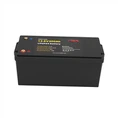
- Lead-Acid Batteries: These are the most traditional type of backup batteries and are known for their reliability and relatively low cost. However, they have a limited lifespan, typically ranging from 3 to 5 years, and require regular maintenance, such as topping up the electrolyte levels.
- Lithium-Ion Batteries: Lithium-ion batteries have gained popularity in recent years due to their high energy density, long lifespan, and low self-discharge rate. They can last anywhere from 5 to 10 years or more, depending on the usage and charging conditions.
- Nickel-Cadmium (Ni-Cd) Batteries: Ni-Cd batteries are known for their durability and ability to withstand extreme temperatures. They have a lifespan of around 5 to 7 years but are less commonly used today due to their high cost and environmental concerns.
Usage Patterns
The way a backup battery is used also has a significant impact on its lifespan. Factors such as the frequency and depth of discharge, charging rate, and operating temperature can all affect the battery's performance and longevity.
- Frequency and Depth of Discharge: Frequent deep discharges can significantly reduce the lifespan of a backup battery. It's recommended to avoid discharging the battery below 50% of its capacity whenever possible. Shallow discharges, on the other hand, can help extend the battery's lifespan.
- Charging Rate: Charging a battery too quickly can generate excessive heat, which can damage the battery cells and reduce their lifespan. It's important to use a charger that is compatible with the battery's chemistry and specifications and to follow the manufacturer's recommended charging rates.
- Operating Temperature: Backup batteries are sensitive to temperature changes. High temperatures can accelerate the chemical reactions inside the battery, leading to faster degradation and reduced lifespan. It's best to store and operate backup batteries in a cool, dry environment, ideally between 20°C and 25°C (68°F and 77°F).
Maintenance and Care
Proper maintenance and care are essential for maximizing the lifespan of a backup battery. Regular inspections, cleaning, and testing can help identify and address any issues before they become major problems.
- Inspections: Periodically inspect the battery for signs of damage, such as cracks, leaks, or corrosion. Check the terminals for tightness and clean them if necessary to ensure good electrical contact.
- Cleaning: Keep the battery clean and free of dirt, dust, and debris. Use a damp cloth to wipe the battery case and terminals, and avoid using abrasive cleaners or solvents.
- Testing: Regularly test the battery's capacity and performance using a battery tester or a multimeter. This can help you determine if the battery is still functioning properly and if it needs to be replaced.
Estimating Backup Battery Runtime
Estimating the runtime of a backup battery is essential for ensuring that it can provide sufficient power during an outage or emergency. The runtime of a backup battery depends on several factors, including the battery's capacity, the load it is powering, and the efficiency of the inverter (if applicable).
Battery Capacity
The capacity of a backup battery is measured in ampere-hours (Ah) or watt-hours (Wh). The higher the capacity, the longer the battery can provide power. To estimate the runtime of a battery, you need to know its capacity and the power consumption of the load it is powering.
Load Power Consumption
The power consumption of the load is measured in watts (W). To determine the power consumption of a device, you can check its user manual or look for a label on the device itself. If you have multiple devices connected to the backup battery, you need to add up their power consumption to get the total load.


Inverter Efficiency
If you are using an inverter to convert the DC power from the battery to AC power, you need to take into account the inverter's efficiency. Inverters are not 100% efficient, and some of the power is lost as heat during the conversion process. The efficiency of an inverter is typically between 80% and 95%, depending on the type and quality of the inverter.
Calculating Runtime
To calculate the runtime of a backup battery, you can use the following formula:
Runtime (hours) = Battery Capacity (Wh) / Load Power Consumption (W) x Inverter Efficiency
For example, if you have a 1000Wh backup battery powering a load that consumes 200W and an inverter with an efficiency of 90%, the runtime would be:
Runtime = 1000Wh / 200W x 0.9 = 5 hours
Maximizing Backup Battery Lifespan
To maximize the lifespan of your backup battery, it's important to follow these best practices:
- Choose the Right Battery: Select a backup battery that is suitable for your specific application and requirements. Consider factors such as battery chemistry, capacity, and lifespan when making your decision.
- Use a Compatible Charger: Always use a charger that is compatible with the battery's chemistry and specifications. Avoid using a charger that is too powerful or too weak, as this can damage the battery.
- Avoid Overcharging and Overdischarging: Overcharging and overdischarging can significantly reduce the lifespan of a backup battery. Use a charger with an automatic shut-off feature to prevent overcharging, and avoid discharging the battery below 50% of its capacity.
- Store the Battery Properly: When not in use, store the backup battery in a cool, dry place. Avoid storing the battery in direct sunlight or in a hot environment, as this can accelerate the degradation process.
- Perform Regular Maintenance: Regularly inspect, clean, and test the backup battery to ensure its optimal performance. Follow the manufacturer's recommended maintenance schedule and procedures.
Our Backup Battery Products
As a leading backup battery supplier, we offer a wide range of high-quality backup batteries and portable power stations to meet the needs of our customers. Our products are designed to provide reliable and long-lasting power during an outage or emergency.
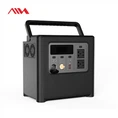
- 700W Solar Portable Power Station: This portable power station is equipped with a 700W inverter and a high-capacity lithium-ion battery, providing up to 1000Wh of power. It can be charged using solar panels, AC power, or a car charger, making it ideal for outdoor activities, camping, and emergency backup.
- 1000W Solar Portable Power Station: With a 1000W inverter and a large-capacity lithium-ion battery, this portable power station can provide up to 2000Wh of power. It features multiple output ports, including AC, DC, and USB, allowing you to power a variety of devices simultaneously.
- 900W Solar Portable Power Station: This versatile portable power station is powered by a 900W inverter and a high-capacity lithium-ion battery, offering up to 1500Wh of power. It comes with a built-in MPPT solar charge controller, which can efficiently convert solar energy into electricity, making it an eco-friendly and cost-effective power solution.
Contact Us for Procurement
If you're interested in purchasing backup batteries or portable power stations for your home, business, or outdoor activities, we'd love to hear from you. Our team of experts can help you choose the right products for your specific needs and provide you with detailed information on pricing, specifications, and delivery options.
Contact us today to start a procurement discussion and ensure that you have reliable backup power when you need it most.
References
- Battery University. (n.d.). How to Prolong Lithium-based Batteries. Retrieved from https://batteryuniversity.com/learn/article/how_to_prolong_lithium_based_batteries
- Energy.gov. (n.d.). Battery Basics. Retrieved from https://www.energy.gov/energysaver/articles/battery-basics
- Schneider Electric. (n.d.). How to Calculate Battery Backup Time. Retrieved from https://www.se.com/ww/en/download/document/SPD_BUS-002/