


A 30KWh solar system is a significant investment for both residential and commercial users aiming to harness solar energy efficiently. As a seasoned supplier of 30KWh solar systems, I'm excited to delve into the essential components that make up such a system.
Solar Panels
Solar panels are the heart of any solar system. They are responsible for converting sunlight into electricity through the photovoltaic effect. For a 30KWh solar system, the number and type of solar panels you need depend on their wattage. High - efficiency panels can generate more electricity per square foot, which means you'll need fewer panels to reach the 30KWh capacity.
Most modern solar panels have wattages ranging from 250W to 400W. To achieve a 30KWh system, if we assume an average panel wattage of 300W, you would need approximately 100 panels (since 30,000Wh / 300W = 100). However, this is a simplified calculation. In reality, you need to consider factors like sunlight hours, panel efficiency degradation over time, and shading.
There are different types of solar panels available in the market, including monocrystalline, polycrystalline, and thin - film. Monocrystalline panels are known for their high efficiency and long lifespan, making them a popular choice for 30KWh systems. Polycrystalline panels are more affordable but have slightly lower efficiency. Thin - film panels are flexible and lightweight, but they also have lower efficiency compared to crystalline panels.
Solar Inverters
Once the solar panels convert sunlight into direct current (DC) electricity, it needs to be converted into alternating current (AC) electricity, which is the type of electricity used in most homes and businesses. This is where solar inverters come in.


There are three main types of solar inverters: string inverters, micro - inverters, and power optimizers. String inverters are the most common type. They are connected to multiple solar panels in a series (a "string") and convert the combined DC power into AC power. They are cost - effective but have a drawback: if one panel in the string is shaded or underperforming, it can affect the performance of the entire string.
Micro - inverters, on the other hand, are installed on each individual solar panel. This means that each panel operates independently, and shading or underperformance of one panel does not affect the others. Micro - inverters can increase the overall efficiency of the system, especially in areas with partial shading. However, they are more expensive than string inverters.
Power optimizers are a hybrid solution. They are installed on each panel like micro - inverters but are connected to a central string inverter. Power optimizers maximize the power output of each panel and then send the DC power to the string inverter for conversion to AC.
For a 30KWh solar system, the choice of inverter depends on the layout of the solar panels, the amount of shading, and the budget. If your installation site has a lot of shading, micro - inverters or power optimizers might be a better choice, despite the higher cost.
Battery Storage
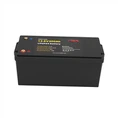
Battery storage is an essential component of a 30KWh solar system, especially if you want to use solar energy during the night or during power outages. There are several types of batteries available for solar systems, but lithium - iron - phosphate (LiFePO4) batteries are becoming increasingly popular due to their long lifespan, high energy density, and safety features.
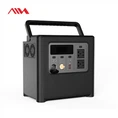
As a supplier, we offer a range of battery options for 30KWh systems. For example, you can consider combining multiple battery units to reach the desired capacity. The Solar Home 15KWh Brick 51.2v 300ah Lifepo4 ESS is a great choice. Two of these batteries can provide a total capacity of 30KWh. Another option is the LiFePO4 51.2V 200Ah 10Kwh Brick Battery. You would need three of these batteries to achieve a 30KWh capacity. The Sunnew 15KWh 48V 300Ah Stackable LiFePO4 Battery Pack is also stackable, allowing you to easily increase the storage capacity.
Battery storage also requires a battery management system (BMS). The BMS monitors and controls the charging and discharging of the batteries to ensure their safety and longevity. It prevents overcharging, over - discharging, and overheating, which can damage the batteries.
Mounting Structures
Solar panels need to be securely mounted on a structure, whether it's a rooftop or a ground - mounted system. The mounting structure must be able to withstand various weather conditions, including wind, rain, and snow.
There are different types of mounting structures available, such as fixed - tilt mounts and tracking mounts. Fixed - tilt mounts are the simplest and most cost - effective option. They are installed at a fixed angle, usually based on the latitude of the installation site to maximize sunlight exposure.
Tracking mounts, on the other hand, can follow the sun's path throughout the day, either in one axis (single - axis tracking) or two axes (dual - axis tracking). Tracking mounts can increase the energy output of the solar panels by up to 25% compared to fixed - tilt mounts. However, they are more expensive and require more maintenance.
For a 30KWh solar system, the choice of mounting structure depends on the available space, the budget, and the desired energy output. If you have limited space and a tight budget, fixed - tilt mounts are a good option. If you want to maximize the energy output and have the budget for it, tracking mounts might be worth considering.
Monitoring System
A monitoring system is crucial for a 30KWh solar system. It allows you to track the performance of your solar panels, inverters, and batteries in real - time. You can monitor the amount of electricity generated, the amount of electricity stored in the batteries, and the overall efficiency of the system.
Most modern monitoring systems are web - based or mobile - app - based, which means you can access the data from anywhere using your computer or smartphone. Some monitoring systems can also send alerts if there is a problem with the system, such as a drop in energy output or a battery issue.
A good monitoring system helps you identify and troubleshoot problems quickly, which can save you time and money in the long run. It also allows you to optimize the performance of your solar system by adjusting settings based on the data.
Conclusion
A 30KWh solar system is a complex but rewarding investment. By understanding the components of the system, you can make informed decisions about which products to choose based on your needs, budget, and installation site. Whether you are a homeowner looking to reduce your electricity bills or a business owner aiming for energy independence, a well - designed 30KWh solar system can meet your energy goals.
If you are interested in purchasing a 30KWh solar system or have any questions about the components, please feel free to contact us for a detailed consultation. We are here to help you every step of the way to ensure you get the most out of your solar investment.
References
- "Solar Energy Basics" - U.S. Department of Energy
- "Photovoltaic Systems Design and Installation Handbook" - International Renewable Energy Agency
- Manufacturer datasheets for solar panels, inverters, batteries, and other components.