



How often should I charge my outdoor battery?
As an outdoor battery supplier, I often get asked the question: "How often should I charge my outdoor battery?" The answer isn't as straightforward as one might think, as it depends on several factors. In this blog post, I'll break down these factors and provide you with some guidelines to help you determine the optimal charging frequency for your outdoor battery.
Understanding Your Battery Type
The first step in determining how often to charge your outdoor battery is to understand the type of battery you have. Different battery chemistries have different charging requirements and behaviors. The most common types of batteries used in outdoor power stations are lithium - ion and lead - acid batteries.
Lithium - ion batteries are known for their high energy density, long lifespan, and low self - discharge rate. They can typically handle a large number of charge - discharge cycles. For example, many high - quality lithium - ion batteries can withstand 500 to 1000 full charge - discharge cycles before their capacity starts to significantly degrade. These batteries are less prone to the "memory effect" compared to older battery technologies, which means you don't need to fully discharge them before recharging.
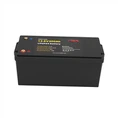
Lead - acid batteries, on the other hand, are heavier and have a lower energy density than lithium - ion batteries. They are also more sensitive to over - charging and under - charging. If a lead - acid battery is constantly under - charged, it can develop sulfate crystals on the battery plates, which can reduce its capacity and lifespan. To keep a lead - acid battery in good condition, it's often recommended to charge it after each use or at least keep it fully charged when not in use.
Usage Patterns
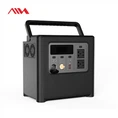
Your usage patterns play a crucial role in determining how often you should charge your outdoor battery. If you use your outdoor battery frequently, such as every weekend for camping or outdoor events, you'll need to charge it more often. For instance, if you use a SNE1000W Portable Power Station to power your camping lights, fans, and small appliances for a full day on a weekend trip, you'll likely need to recharge it after the trip.


On the other hand, if you only use your outdoor battery occasionally, say once a month or less, you may not need to charge it as frequently. However, even if you don't use the battery often, it's still important to keep an eye on its charge level. Lithium - ion batteries can self - discharge over time, although at a much slower rate compared to other battery types. If the battery's charge level drops too low, it can cause damage to the battery cells.
Environmental Conditions
Environmental conditions can also affect the charging frequency of your outdoor battery. Extreme temperatures, both hot and cold, can have a negative impact on battery performance and lifespan.
In hot weather, the chemical reactions inside the battery occur more rapidly, which can lead to increased self - discharge and accelerated degradation of the battery. If you're using your outdoor battery in a hot climate, you may need to charge it more often to compensate for the increased self - discharge. For example, if you leave a 800W Solar Portable Power Station in a hot car trunk for an extended period, its charge level may drop faster than normal.
Cold temperatures, on the other hand, can reduce the battery's capacity and make it harder for the battery to deliver power. In cold weather, you may find that your battery doesn't last as long as it does in warmer conditions. To ensure that your battery has enough power when you need it, you may need to charge it more frequently during the winter months.
Battery Capacity and Power Consumption
The capacity of your outdoor battery and the power consumption of the devices you're using also influence how often you should charge the battery. A battery with a larger capacity can store more energy and will generally last longer between charges compared to a battery with a smaller capacity.
For example, the Sunnew 1229Wh Big Capacity Multi - function Emergency Power Supply Quick Charge Solar Charging 1000W Portable Power Station has a relatively large capacity of 1229Wh. If you're using it to power a low - power device like a smartphone charger, it can last for multiple charges of your phone before needing to be recharged. However, if you're using it to power a high - power device like a portable refrigerator, the battery will drain more quickly, and you'll need to charge it more often.
General Charging Guidelines
Based on the above factors, here are some general guidelines for charging your outdoor battery:
- Lithium - ion Batteries: If you use your battery regularly, aim to keep the charge level between 20% and 80%. This "partial charge" approach can help extend the battery's lifespan. If you don't use the battery often, charge it to around 50% and store it in a cool, dry place. Check the charge level every few months and recharge it if it drops below 20%.
- Lead - acid Batteries: Charge the battery after each use or at least keep it fully charged when not in use. If you store the battery for an extended period, use a battery maintainer or trickle charger to keep it at a full charge.
Conclusion
Determining how often to charge your outdoor battery requires considering multiple factors, including battery type, usage patterns, environmental conditions, and power consumption. By understanding these factors and following the general charging guidelines, you can ensure that your outdoor battery lasts longer and performs optimally.
If you're in the market for a new outdoor battery or have any questions about battery charging and maintenance, we're here to help. Our team of experts can provide you with personalized advice based on your specific needs. Whether you're a frequent camper, an outdoor enthusiast, or simply need a reliable power source for emergencies, we have a wide range of high - quality outdoor batteries to choose from. Contact us to start a procurement discussion and find the perfect outdoor battery solution for you.
References
- Battery University: A comprehensive resource for battery knowledge, including information on different battery chemistries, charging, and maintenance.
- Manufacturer's manuals: The manuals provided by outdoor battery manufacturers often contain specific charging and maintenance instructions for their products.