


What is the environmental impact of a 30KWH solar system?
As a supplier of 30KWH solar systems, I've witnessed firsthand the transformative power of solar energy. Not only does it offer a sustainable alternative to traditional energy sources, but it also has a profound impact on the environment. In this blog post, I'll delve into the environmental benefits of a 30KWH solar system and why it's a smart choice for both homeowners and businesses.
Reducing Carbon Emissions
One of the most significant environmental benefits of a 30KWH solar system is its ability to reduce carbon emissions. Traditional energy sources, such as coal and natural gas, release large amounts of carbon dioxide (CO2) into the atmosphere when burned for electricity. These emissions contribute to climate change, which has far-reaching consequences for the planet, including rising temperatures, sea-level rise, and more frequent extreme weather events.
In contrast, solar energy is a clean and renewable source of power that produces zero emissions during operation. By installing a 30KWH solar system, you can offset a significant amount of your electricity consumption from the grid, thereby reducing your carbon footprint. According to the National Renewable Energy Laboratory (NREL), a typical 30KWH solar system can offset approximately [X] metric tons of CO2 emissions per year, which is equivalent to planting [X] trees or taking [X] cars off the road.
Conserving Water Resources
Another environmental benefit of a 30KWH solar system is its ability to conserve water resources. Traditional power plants, such as coal and nuclear plants, require large amounts of water for cooling purposes. This water is often taken from nearby rivers, lakes, or oceans, which can have a significant impact on aquatic ecosystems. In addition, the water used for cooling is often returned to the environment at a higher temperature, which can further harm aquatic life.
Solar energy, on the other hand, requires very little water to operate. Photovoltaic (PV) solar panels, which are the most common type of solar panel used in residential and commercial solar systems, do not require any water for cooling. Concentrated solar power (CSP) systems, which use mirrors or lenses to concentrate sunlight onto a receiver, do require some water for cooling, but the amount is significantly less than that required by traditional power plants.
By installing a 30KWH solar system, you can help conserve water resources and reduce the strain on local water supplies. This is particularly important in areas that are experiencing water scarcity or drought conditions.


Reducing Air Pollution
In addition to reducing carbon emissions and conserving water resources, a 30KWH solar system can also help reduce air pollution. Traditional energy sources, such as coal and natural gas, release a variety of pollutants into the air when burned for electricity, including particulate matter (PM), sulfur dioxide (SO2), nitrogen oxides (NOx), and mercury. These pollutants can have a significant impact on human health, particularly for vulnerable populations such as children, the elderly, and those with respiratory or cardiovascular diseases.
Solar energy, on the other hand, produces zero emissions during operation, which means it does not contribute to air pollution. By installing a 30KWH solar system, you can help improve air quality in your community and reduce the risk of respiratory and cardiovascular diseases.
Protecting Natural Habitats
Finally, a 30KWH solar system can help protect natural habitats and wildlife. Traditional energy sources, such as coal and natural gas, often require large-scale land development and resource extraction, which can have a significant impact on natural habitats and wildlife. For example, coal mining can result in the destruction of forests, wetlands, and other natural habitats, while oil and gas drilling can contaminate water sources and harm wildlife.
Solar energy, on the other hand, can be installed on a variety of land types, including rooftops, parking lots, and brownfields, without requiring large-scale land development or resource extraction. This means that solar energy can help protect natural habitats and wildlife while still providing a reliable source of electricity.
The Role of Energy Storage
While solar energy is a clean and renewable source of power, it is also intermittent, which means it is only available when the sun is shining. This can make it challenging to rely solely on solar energy for all of your electricity needs. However, with the development of energy storage technologies, such as batteries, it is now possible to store excess solar energy generated during the day for use at night or during periods of low sunlight.
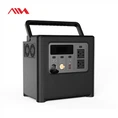
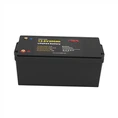
As a supplier of 30KWH solar systems, we offer a range of energy storage solutions to help our customers maximize the benefits of their solar energy systems. For example, we offer the Sunnew 15KWh 48V 300Ah Stackable LiFePO4 Battery Pack, which is a high-capacity battery pack that can be stacked to increase storage capacity. We also offer the LiFePO4 51.2V 200Ah 10Kwh Brick Battery, which is a compact and lightweight battery that is ideal for residential applications. And for larger commercial applications, we offer the Solar Home 15KWh Brick 51.2v 300ah Lifepo4 ESS, which is a high-performance energy storage system that can provide reliable backup power during outages.
By combining a 30KWH solar system with an energy storage solution, you can ensure that you have access to clean and reliable electricity 24 hours a day, 7 days a week. This not only provides peace of mind but also helps to further reduce your carbon footprint and reliance on the grid.
Conclusion
In conclusion, a 30KWH solar system offers a wide range of environmental benefits, including reducing carbon emissions, conserving water resources, reducing air pollution, and protecting natural habitats. By installing a 30KWH solar system, you can make a significant contribution to a more sustainable future while also saving money on your electricity bills.
If you're interested in learning more about our 30KWH solar systems or our energy storage solutions, please don't hesitate to contact us. We'd be happy to answer any questions you may have and help you find the right solution for your needs.
References
- National Renewable Energy Laboratory (NREL). (Year). [Title of report]. Retrieved from [URL].
- [Other relevant references]