



Connecting a 24V battery to a load is a fundamental process that requires careful consideration and proper execution. As a 24V battery supplier, I've encountered various scenarios where customers need guidance on this topic. In this blog post, I'll share some insights on how to connect a 24V battery to a load effectively and safely.
Understanding the Basics of 24V Batteries
Before we dive into the connection process, it's essential to understand what a 24V battery is and its applications. A 24V battery is a power source that provides a nominal voltage of 24 volts. These batteries are commonly used in a wide range of applications, including industrial equipment, electric vehicles, floor cleaning machines, and golf carts.
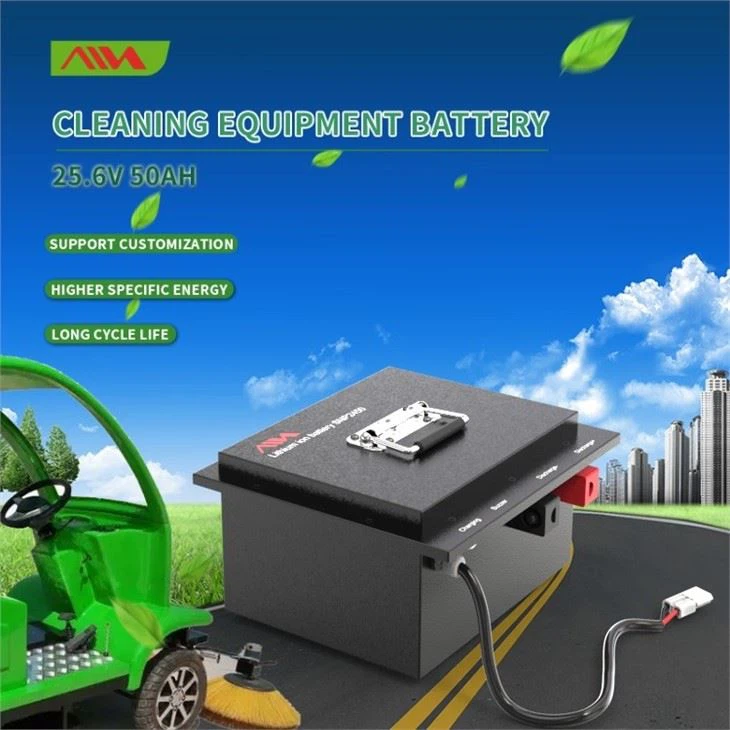
At our company, we offer a variety of 24V batteries, such as the Customized LiFePO4 24V 50Ah 100Ah Floor Cleaning Machine Battery Operated Floor Sweeper Battery, Golf Cart EV Battery 24V 100Ah Rechargeable Deep Cycle Lithium Iron Phosphate LiFePO4 Batteries, and Cleaning Equipment Battery Pack 24V 50ah. These batteries are designed to meet the specific power requirements of different applications, providing reliable and long-lasting performance.
Safety First
Safety should always be your top priority when working with batteries. Before attempting to connect a 24V battery to a load, make sure you take the following safety precautions:
- Wear appropriate safety gear: This includes safety glasses, gloves, and protective clothing to prevent any potential injuries from acid spills, electrical shocks, or other hazards.
- Ensure the battery is fully charged: A fully charged battery will provide the best performance and reduce the risk of damage to the battery or the load.
- Turn off the load: Before making any connections, turn off the load to prevent any electrical shorts or damage to the equipment.
- Check the battery terminals: Make sure the battery terminals are clean and free of corrosion. Corroded terminals can cause poor connections and reduce the battery's performance.
- Use the correct tools: Use insulated tools to prevent electrical shocks. Avoid using tools that are damaged or have exposed metal parts.
Steps to Connect a 24V Battery to a Load
Once you've taken the necessary safety precautions, you can proceed with connecting the 24V battery to the load. Here are the general steps to follow:
Step 1: Identify the Battery Terminals
A 24V battery typically has two terminals: a positive terminal (+) and a negative terminal (-). The positive terminal is usually marked with a red cap or a plus sign, while the negative terminal is marked with a black cap or a minus sign.
Step 2: Identify the Load Terminals
The load will also have two terminals: a positive terminal and a negative terminal. These terminals are usually marked on the load itself or in the equipment's manual.

Step 3: Connect the Positive Terminal
Using an appropriate cable, connect the positive terminal of the battery to the positive terminal of the load. Make sure the connection is tight and secure to prevent any loose connections or electrical shorts.
Step 4: Connect the Negative Terminal
Next, connect the negative terminal of the battery to the negative terminal of the load using another cable. Again, ensure the connection is tight and secure.
Step 5: Double-Check the Connections
After making the connections, double-check to make sure they are correct and secure. Look for any signs of loose connections, frayed cables, or other issues that could cause problems.
Step 6: Turn on the Load
Once you've verified the connections, you can turn on the load to test the battery. If the load operates properly, the battery is connected correctly. If not, check the connections again to make sure they are correct.
Series and Parallel Connections
In some cases, you may need to connect multiple 24V batteries together to increase the voltage or capacity. There are two main ways to connect batteries: in series and in parallel.
Series Connection
A series connection involves connecting the positive terminal of one battery to the negative terminal of another battery. This increases the voltage of the battery bank while keeping the capacity the same. For example, if you connect two 24V batteries in series, the total voltage will be 48V, but the capacity will remain the same as a single battery.
To connect batteries in series, follow these steps:
- Connect the positive terminal of the first battery to the negative terminal of the second battery using a cable.
- Connect the positive terminal of the second battery to the positive terminal of the load.
- Connect the negative terminal of the first battery to the negative terminal of the load.
Parallel Connection
A parallel connection involves connecting the positive terminals of all the batteries together and the negative terminals of all the batteries together. This increases the capacity of the battery bank while keeping the voltage the same. For example, if you connect two 24V batteries in parallel, the total voltage will remain 24V, but the capacity will be doubled.
To connect batteries in parallel, follow these steps:
- Connect the positive terminals of all the batteries together using a cable.
- Connect the negative terminals of all the batteries together using another cable.
- Connect the positive terminal of the battery bank to the positive terminal of the load.
- Connect the negative terminal of the battery bank to the negative terminal of the load.
Troubleshooting
If you encounter any problems when connecting a 24V battery to a load, here are some common issues and solutions:
- No power to the load: Check the connections to make sure they are correct and secure. Also, check the battery to make sure it is fully charged.
- Low voltage or poor performance: This could be due to a weak battery, a poor connection, or a problem with the load. Check the battery's voltage using a voltmeter and make sure it is within the normal range. If the voltage is low, recharge the battery or replace it if necessary.
- Overheating or smoking: This could be a sign of a short circuit or other serious problem. Immediately disconnect the battery from the load and seek professional help to diagnose and fix the issue.
Conclusion
Connecting a 24V battery to a load is a relatively simple process, but it requires careful attention to detail and safety. By following the steps outlined in this blog post and taking the necessary safety precautions, you can ensure a successful and safe connection.
If you have any questions or need further assistance with connecting a 24V battery to a load, or if you're interested in purchasing our high-quality 24V batteries, please don't hesitate to contact us. We're here to help you find the right battery solution for your needs and provide you with the support and guidance you need to ensure a smooth and trouble-free operation.
References
- Battery University. (n.d.). Battery Safety Guidelines. Retrieved from https://batteryuniversity.com/learn/article/battery_safety_guidelines
- National Fire Protection Association. (2017). NFPA 70: National Electrical Code. Quincy, MA: NFPA.