



Hey there, folks! As a supplier of 12V batteries, I've seen my fair share of situations where people are stuck with a dead vehicle battery. It can be a real pain in the neck, especially when you're in a hurry or far from help. But don't worry, because I'm here to show you how to jump - start a vehicle with a 12V battery. It's not as complicated as it might seem, and with a little know - how, you'll be back on the road in no time.
What You'll Need
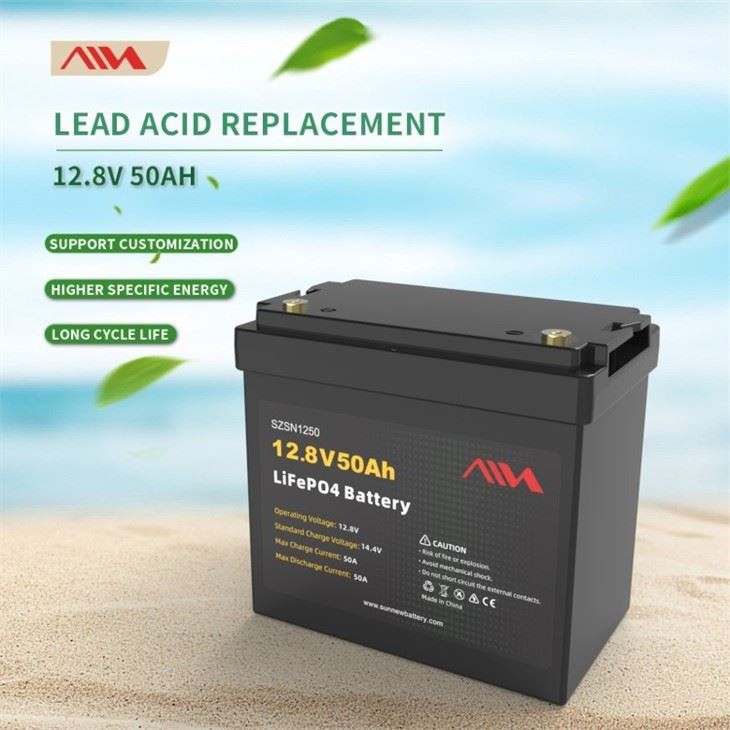
First things first, let's talk about what you need to jump - start a vehicle. Obviously, you'll need a 12V battery. We offer some great options like the 12V 100Ah LFP Battery SNR12100 and the Lifepo4 BMS Lithium Battery Pack 12v 50ah. These batteries are reliable and can provide the power you need to get your vehicle started.
In addition to the battery, you'll need a set of jumper cables. Make sure they're in good condition, with no frayed wires or loose connections. You'll also want to have some safety gear, like gloves and safety glasses, just in case something goes wrong.
Safety First
Before you even think about hooking up those jumper cables, safety should be your top priority. Park both vehicles close enough so that the jumper cables can reach between the batteries, but make sure they're not touching. Turn off the ignition in both vehicles, as well as any accessories like the radio, lights, or heater. This will prevent any electrical surges or short circuits.

Put on your gloves and safety glasses. Batteries can release hydrogen gas, which is flammable, so avoid smoking or using any open flames near the batteries. Also, be careful not to let the jumper cable clamps touch each other while they're not connected to the batteries, as this can cause a short circuit.
Identifying the Batteries
Now, let's take a look at the batteries. Most vehicle batteries have two terminals: a positive terminal marked with a plus (+) sign and a negative terminal marked with a minus (-) sign. The positive terminal is usually red, and the negative terminal is usually black.
On the dead battery (the one in the vehicle that won't start), find these terminals. Do the same for the good 12V battery (the one you're using to jump - start the vehicle). It's important to make sure you know which is which, because hooking up the cables incorrectly can damage the batteries and the vehicle's electrical system.
Hooking Up the Jumper Cables
Here's the step - by - step process for hooking up the jumper cables:
- Connect the positive cable: Take the red jumper cable and connect one end to the positive terminal of the good 12V battery. Then, connect the other end of the red cable to the positive terminal of the dead battery. Make sure the connections are tight.
- Connect the negative cable: Take the black jumper cable and connect one end to the negative terminal of the good 12V battery. For the other end of the black cable, instead of connecting it directly to the negative terminal of the dead battery, find a clean, unpainted metal surface on the engine block of the vehicle with the dead battery. This is called a ground point. Connect the black cable to this ground point. The reason we do this is to reduce the risk of sparking near the battery, which could ignite the hydrogen gas.
Starting the Vehicles
Once the cables are properly connected, start the engine of the vehicle with the good 12V battery. Let it run for a few minutes to charge the dead battery a bit. Then, try to start the engine of the vehicle with the dead battery. If it starts, great! Let both vehicles run for a few more minutes to allow the dead battery to charge further.
Disconnecting the Jumper Cables
When you're ready to disconnect the cables, do it in the reverse order of how you connected them. First, remove the black cable from the ground point on the vehicle with the dead battery. Then, remove the black cable from the negative terminal of the good 12V battery. Next, remove the red cable from the positive terminal of the dead battery, and finally, remove the red cable from the positive terminal of the good 12V battery.
After the Jump - Start
After you've successfully jump - started the vehicle, it's a good idea to let it run for at least 15 - 20 minutes. This will give the alternator a chance to charge the battery. If you turn off the engine and it won't start again, there might be a more serious problem with the battery or the vehicle's electrical system. In that case, it's best to have it checked out by a professional.
Choosing the Right 12V Battery
When it comes to choosing a 12V battery for your vehicle or for jump - starting purposes, there are a few things to consider. Our Lifepo4 Battery 24V 150Ah For Lithium RV Battery Camping Caravan AGV UPS Storage Battery Pack is a great option for those who need a high - capacity battery.
You'll want to look at the battery's capacity, which is measured in amp - hours (Ah). A higher Ah rating means the battery can store more energy and provide more power. You'll also want to consider the battery's type. Lithium - ion batteries, like the ones we offer, are lighter, have a longer lifespan, and can handle more charge - discharge cycles compared to traditional lead - acid batteries.
Maintaining Your 12V Battery
To keep your 12V battery in good condition, regular maintenance is key. Check the battery's terminals regularly for corrosion. If you see any white or greenish deposits on the terminals, you can clean them with a mixture of baking soda and water. Use a wire brush to gently scrub the terminals, then rinse them with clean water and dry them off.
Make sure the battery is securely mounted in the vehicle. A loose battery can vibrate and cause damage to the terminals and the battery itself. Also, keep an eye on the battery's charge level. If your vehicle has a battery gauge, check it regularly. If not, you can use a voltmeter to measure the battery's voltage. A fully charged 12V battery should have a voltage of around 12.6 - 12.8 volts.
Conclusion
Jumping - starting a vehicle with a 12V battery is a useful skill that can come in handy in many situations. By following the steps I've outlined here and taking the necessary safety precautions, you can get your vehicle up and running again quickly.
As a 12V battery supplier, we're committed to providing you with high - quality batteries that meet your needs. Whether you're looking for a battery for your daily driver, an RV, or just for jump - starting purposes, we've got you covered.
If you're interested in purchasing any of our 12V batteries or have any questions about jump - starting or battery maintenance, don't hesitate to reach out. We're here to help you make the right choice and ensure that your vehicle's electrical system is in top shape.
References
- "Automotive Electrical Systems" by Robert N. Brady
- Various automotive repair manuals and online resources on vehicle battery maintenance and jump - starting.