


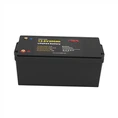
Hey there! As a UPS battery supplier, I've seen firsthand how crucial it is to keep your UPS battery in top - notch condition. A well - optimized UPS battery can be a real game - changer, whether you're using it for a small home office or a large commercial setup. So, let's dive into some practical tips on how to optimize the performance of a UPS battery.
1. Proper Installation
First things first, getting the installation right is super important. When you install a UPS battery, make sure you place it in a well - ventilated area. Batteries generate heat during charging and discharging, and if they're in a cramped, poorly ventilated space, the heat can build up. This excessive heat can significantly reduce the battery's lifespan and performance.
Also, check the temperature of the installation area. Most UPS batteries work best in a temperature range of around 20 - 25 degrees Celsius. If it's too hot or too cold, the battery's chemical reactions can be affected. For instance, in cold temperatures, the battery's capacity might decrease, and in hot temperatures, the battery can age faster.
2. Regular Maintenance
Regular maintenance is key to keeping your UPS battery performing at its best. One of the simplest things you can do is visually inspect the battery regularly. Look for any signs of damage, like cracks, leaks, or bulges. If you notice any of these issues, it's time to replace the battery.
Another important part of maintenance is checking the battery's electrolyte levels (if it's a flooded lead - acid battery). You should top up the electrolyte with distilled water if it's low. But be careful not to overfill it. Also, clean the battery terminals regularly to prevent corrosion. Corroded terminals can increase resistance and reduce the battery's ability to charge and discharge efficiently.
3. Correct Charging Practices
How you charge your UPS battery can have a huge impact on its performance. Avoid overcharging the battery. Most modern UPS systems have built - in charging controllers to prevent overcharging, but it's still a good idea to double - check. Overcharging can cause the battery to overheat and can also lead to the breakdown of the battery's internal components.
On the other hand, don't let the battery discharge too deeply. Deep discharges can damage the battery cells and shorten the battery's lifespan. Try to keep the battery's state of charge between 20% and 80%. If possible, use a smart charger that can adjust the charging rate based on the battery's state of charge.
4. Load Management
Managing the load on your UPS is essential. Don't overload the UPS with too many devices. Each UPS has a specific power rating, and if you exceed this rating, the battery will have to work harder. This can lead to faster battery degradation and can also cause the UPS to shut down unexpectedly during a power outage.
Before connecting devices to the UPS, calculate the total power consumption of all the devices. Make sure the total power is within the UPS's capacity. Also, consider which devices are essential and need to be connected to the UPS. You might want to prioritize critical devices like servers, routers, or medical equipment.
5. Firmware and Software Updates
If your UPS has firmware or software, keep them up - to - date. Manufacturers often release updates to improve the UPS's performance, including better battery management. These updates can optimize the charging and discharging processes, extend the battery's lifespan, and provide more accurate battery status information.


6. Complementary Products
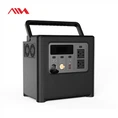
When it comes to power solutions, we also offer some great portable power stations that can work hand - in - hand with your UPS system. For example, our 900W Solar Portable Power Station is a fantastic option. It's a great backup power source that can be charged using solar energy. This means you can have a sustainable and reliable power supply, especially in areas with plenty of sunlight.
Another option is our 307Wh Big Capacity Quick Charge Pure Sine Wave Power Station Solar Panel Charging Portable Outdoor Generator. With its big capacity and quick - charging feature, it can be a great addition to your power setup. Whether you're using it for outdoor activities or as an extra backup for your home or office, it's a reliable choice.
And if you're into outdoor camping, our 500W Portable Generator For Outdoor Camping is perfect. It can provide enough power to run your camping essentials, like lights, fans, and small appliances.
Conclusion
Optimizing the performance of a UPS battery isn't rocket science. By following these simple steps, you can ensure that your battery lasts longer and performs better. Proper installation, regular maintenance, correct charging practices, load management, and keeping your firmware up - to - date are all important aspects. And don't forget about our great portable power stations that can complement your UPS system.
If you're interested in purchasing UPS batteries or any of our portable power stations, feel free to reach out to us for a purchase negotiation. We're always happy to help you find the best power solutions for your needs.
References
- Battery University. (n.d.). Battery Management Basics.
- IEEE Standards Association. (n.d.). IEEE Recommended Practice for Installation and Maintenance of Valve - Regulated Lead - Acid (VRLA) Batteries for Stationary Applications.