


What is the self - discharge rate of a solar battery?
As a seasoned solar battery supplier, I've had numerous conversations with customers eager to understand the intricacies of solar batteries. One question that frequently surfaces is about the self - discharge rate of solar batteries. In this blog, I'll delve into what the self - discharge rate is, its significance, and how it affects the performance of our solar batteries, including products like the Solar Battery Powerwall 2.56Kwh Lifepo4 Pack, 51.2V 200Ah LiFePO4 Floor Type Power System, and Sunnew Powerwall Home Battery 5Kw 10Kw 20Kwh 48V Lithium Lron Phosphate Battery Pack For Solar Power System.
Understanding the Self - Discharge Rate
The self - discharge rate of a battery refers to the rate at which a battery loses its charge when it is not in use. It is an inherent characteristic of all batteries, including solar batteries. Even when a solar battery is disconnected from any external load and is sitting idle, it will gradually lose its stored energy over time. This loss occurs due to internal chemical reactions within the battery.
These internal reactions can be influenced by various factors, such as the battery chemistry, temperature, and the state of charge of the battery. Different battery chemistries have different self - discharge rates. For example, lead - acid batteries typically have a relatively high self - discharge rate compared to lithium - ion batteries.
Why the Self - Discharge Rate Matters
The self - discharge rate is a crucial factor to consider when evaluating the performance of a solar battery. A high self - discharge rate means that the battery will lose its charge quickly when not in use. This can be a significant drawback, especially in solar energy storage systems where the battery is often required to hold its charge for extended periods between charging cycles.
For instance, if you have a solar battery with a high self - discharge rate and there are cloudy days or periods of low sunlight, the battery may lose a substantial amount of its stored energy before you can use it. This can lead to a decrease in the overall efficiency of your solar power system and may even result in insufficient power when you need it the most.
On the other hand, a low self - discharge rate is highly desirable. It ensures that the battery retains its charge for longer periods, providing a more reliable source of energy when needed. This is particularly important for off - grid solar systems, where the battery is the primary source of power.
Factors Affecting the Self - Discharge Rate
Battery Chemistry
As mentioned earlier, different battery chemistries have different self - discharge rates. Lithium - ion batteries, especially LiFePO4 (lithium iron phosphate) batteries, are known for their relatively low self - discharge rates. This is one of the reasons why LiFePO4 batteries, such as our Solar Battery Powerwall 2.56Kwh Lifepo4 Pack, are becoming increasingly popular in solar energy storage applications.
Lead - acid batteries, including flooded lead - acid and sealed lead - acid batteries, have higher self - discharge rates. The chemical reactions in lead - acid batteries are more prone to self - discharge, which means they need to be recharged more frequently to maintain their charge levels.
Temperature
Temperature has a significant impact on the self - discharge rate of a battery. Generally, higher temperatures accelerate the internal chemical reactions within the battery, leading to a higher self - discharge rate. Conversely, lower temperatures slow down these reactions, reducing the self - discharge rate.
For solar batteries, it is important to consider the operating temperature range. If the battery is exposed to high temperatures for extended periods, its self - discharge rate will increase, and its overall lifespan may also be affected. Therefore, proper installation and ventilation are crucial to ensure that the battery operates within an optimal temperature range.
State of Charge
The state of charge (SOC) of a battery also affects its self - discharge rate. A battery that is fully charged typically has a higher self - discharge rate than a partially charged battery. This is because the chemical reactions within the battery are more active when the battery is fully charged.
It is recommended to keep the battery at a moderate state of charge when it is not in use for an extended period. This can help reduce the self - discharge rate and prolong the battery's lifespan.
Measuring the Self - Discharge Rate
The self - discharge rate is usually expressed as a percentage of the battery's capacity per unit of time, typically per month. For example, if a battery has a self - discharge rate of 2% per month, it means that the battery will lose 2% of its charge every month when it is not in use.

To measure the self - discharge rate accurately, a battery is fully charged and then disconnected from any external load. Its state of charge is then measured at regular intervals over a period of time. The difference in the state of charge between the initial and final measurements is used to calculate the self - discharge rate.
Self - Discharge Rate in Our Solar Batteries
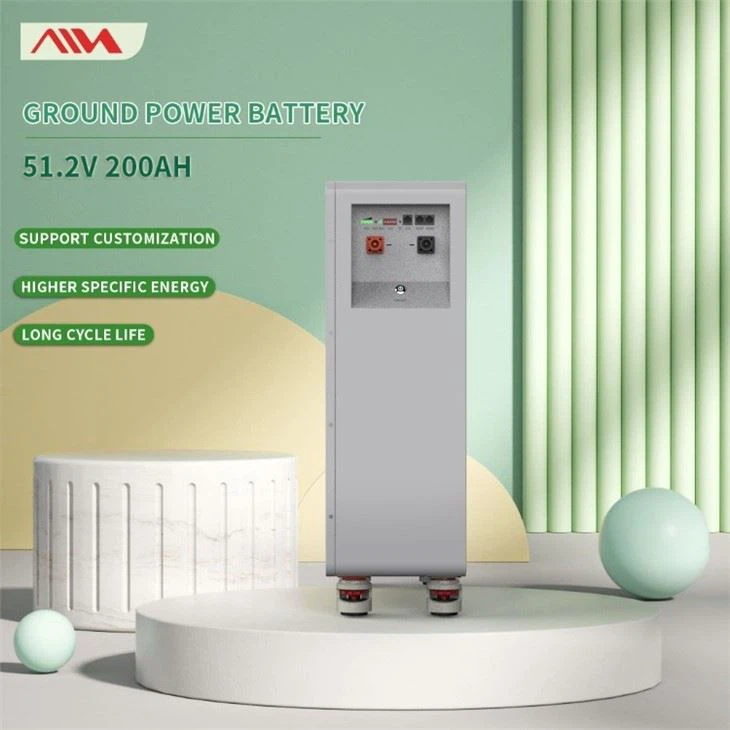
At our company, we are committed to providing high - quality solar batteries with low self - discharge rates. Our LiFePO4 batteries, such as the Solar Battery Powerwall 2.56Kwh Lifepo4 Pack and 51.2V 200Ah LiFePO4 Floor Type Power System, are designed to have a very low self - discharge rate. This ensures that our customers can rely on these batteries to store solar energy efficiently and have a stable power supply even during periods of low sunlight.
Our Sunnew Powerwall Home Battery 5Kw 10Kw 20Kwh 48V Lithium Lron Phosphate Battery Pack For Solar Power System also offers excellent performance in terms of self - discharge rate. With its advanced battery management system, it can further optimize the battery's performance and reduce the self - discharge rate, providing a reliable and long - lasting energy storage solution for home solar power systems.
How to Minimize the Impact of Self - Discharge
To minimize the impact of self - discharge on your solar battery, there are several steps you can take. First, choose a battery with a low self - discharge rate, such as our LiFePO4 batteries. Second, ensure that the battery is installed in a location with a stable and moderate temperature. Avoid exposing the battery to extreme heat or cold.
Third, maintain the battery at a moderate state of charge when it is not in use for an extended period. If possible, use a battery management system to monitor and control the battery's state of charge.
Conclusion
The self - discharge rate is an important factor to consider when choosing a solar battery. A low self - discharge rate ensures that the battery can store solar energy efficiently and provide a reliable power supply when needed. At our company, we offer a range of high - quality solar batteries, including the Solar Battery Powerwall 2.56Kwh Lifepo4 Pack, 51.2V 200Ah LiFePO4 Floor Type Power System, and Sunnew Powerwall Home Battery 5Kw 10Kw 20Kwh 48V Lithium Lron Phosphate Battery Pack For Solar Power System, which are designed to have low self - discharge rates.
If you are interested in learning more about our solar batteries or have any questions about the self - discharge rate, we encourage you to contact us for a detailed discussion and potential procurement. We are here to help you find the best solar battery solution for your needs.
References
- Linden, D., & Reddy, T. B. (2002). Handbook of Batteries. McGraw - Hill.
- Arora, P., & White, R. E. (1998). Comparison of Modeling Predictions with Experimental Data from Plastic Lithium - Ion Cells. Journal of the Electrochemical Society, 145(10), 3647 - 3669.