



Organizing the equipment in a camping system can be a real game - changer for your outdoor adventures. As a camping system supplier, I've seen firsthand how a well - organized setup can make camping more enjoyable, efficient, and stress - free. In this blog, I'll share some tips on how to organize your camping equipment effectively.
1. Planning Your Equipment
Before you even start packing, it's crucial to plan what equipment you'll need. This depends on the type of camping you're doing, the duration of your trip, and the number of people in your group.
For a short weekend camping trip in a well - maintained campground, you might need basic items like a tent, sleeping bags, cooking equipment, and some personal items. However, if you're going on a multi - day backpacking trip in the wilderness, you'll need to be more selective and pack lighter. You'll also need to consider factors like water purification, navigation tools, and emergency supplies.
Make a checklist of all the equipment you need. This will help you make sure you don't forget anything important. You can even categorize the items on your checklist, such as shelter, sleeping, cooking, and entertainment.
2. Categorizing Your Equipment
Once you have your checklist, it's time to categorize your equipment. This makes it easier to find what you need when you're on the campsite.
Shelter
Your tent is the centerpiece of your shelter. Make sure it's clean and in good condition before you pack it. Along with the tent, you'll need stakes, guy lines, and a footprint. Keep all these items together in a large storage bag.
Sleeping
Sleeping bags, sleeping pads, and pillows should be grouped together. Compressible sleeping bags can be stored in stuff sacks to save space. If you have different types of sleeping gear for different temperatures, label the stuff sacks accordingly.
Cooking
Cooking equipment can be a bit more complex. You'll need a stove, fuel, pots, pans, utensils, and maybe a cooler. Consider using a camping kitchen set that comes with a carrying case. This keeps everything organized and easy to transport. For fuel, make sure to follow safety guidelines and store it separately from other items.
Entertainment
Don't forget about entertainment! Books, cards, frisbees, and other fun items can make your camping trip more enjoyable. Keep these items in a separate bag so you can easily access them when you want to relax.


3. Storage Solutions
Using the right storage solutions is key to keeping your camping equipment organized.
Storage Bins
Plastic storage bins are great for larger items. They're durable, waterproof, and can be stacked. Label each bin clearly with what's inside. For example, you could have a bin labeled "Cooking Equipment" and another labeled "Emergency Supplies".
Storage Bags
There are all sorts of storage bags available for camping. Stuff sacks are perfect for sleeping bags and small items. Duffel bags can hold larger items like clothes and blankets. Mesh bags are great for keeping items like dirty clothes or wet towels separate from the rest of your gear.
Toolboxes
If you have tools like a hammer, screwdriver, or multi - tool, keep them in a toolbox. This keeps them organized and prevents them from getting lost in your gear.
4. Power Equipment
Power is essential for modern camping. You might need to charge your phone, run a small fan, or power a light.
Portable Power Stations
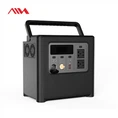
A 800W Solar Portable Power Station is a great option for camping. It can store a decent amount of power and can be recharged using solar panels. Make sure to keep the power station in a dry and safe place on your campsite. Along with the power station, keep all the charging cables and adapters in a small bag.
Portable Generators
If you need more power, you might consider a 700W Portable Generator For Outdoor Camping or a 1000W Portable Generator For Outdoor Camping. These generators can provide enough power to run larger appliances. However, they're also heavier and noisier. Store the generator in a well - ventilated area and keep the fuel in a separate, safe container.
5. Setting Up Your Campsite
When you arrive at your campsite, take the time to set up your equipment in an organized way.
Layout
Decide on a layout for your campsite. Place your tent in a flat, dry area. Set up your cooking area away from the tent to avoid fire hazards. You can also create a separate area for entertainment and relaxation.
Accessibility
Make sure all your equipment is easily accessible. Keep frequently used items, like utensils and water bottles, within reach. Store less - used items, like emergency supplies, in a more secure location.
6. Maintenance and Cleaning
Proper maintenance and cleaning of your camping equipment are essential for its longevity.
After Each Use
After each camping trip, clean your equipment as soon as possible. Wash your tent, sleeping bags, and cooking equipment according to the manufacturer's instructions. Dry everything thoroughly before storing it.
Regular Inspections
Regularly inspect your equipment for any signs of wear and tear. Check the seams on your tent, the zippers on your sleeping bags, and the functionality of your stove. Replace any damaged parts immediately.
7. Contact Us for Your Camping Needs
If you're looking for high - quality camping equipment, we're here to help. As a camping system supplier, we offer a wide range of products to meet all your camping needs. Whether you're a beginner or an experienced camper, we have the right equipment for you.
Contact us to discuss your requirements and start planning your next camping adventure. We're happy to provide you with expert advice and competitive pricing.
References
- "The Complete Guide to Camping" by Outdoor Life Magazine
- Manufacturer's manuals for camping equipment