



Hey there! As a 12V battery supplier, I've seen my fair share of folks scratching their heads over a 12V battery that just won't charge. It can be super frustrating, but don't worry – I'm here to walk you through some troubleshooting steps to get that battery back in action.
Check the Basics First
Let's start with the simplest stuff. First off, make sure your charger is actually working. Sounds obvious, right? But you'd be surprised how many times it's just a faulty charger causing the problem. Plug it into a different outlet to see if that makes a difference. If it's a wall charger, check the fuse in the plug. Sometimes, a blown fuse can stop the charger from doing its job.
Next, take a good look at the connections between the battery and the charger. Are the cables all hooked up properly? Loose or corroded connections can prevent the battery from charging. If you see any corrosion on the battery terminals or the charger connectors, clean them off with a mixture of baking soda and water. Just make sure to disconnect the battery first! Use a wire brush to gently scrub away the corrosion, then rinse with clean water and dry thoroughly before reconnecting.
Inspect the Battery
Now, let's focus on the battery itself. One of the most common reasons a 12V battery won't charge is that it's simply too old. Over time, batteries lose their ability to hold a charge. If your battery is a few years old, it might be time for a replacement. You can check the age of the battery by looking at the manufacturing date code, which is usually printed on the battery case.
Another thing to check is the battery's voltage. You can use a multimeter to do this. Set the multimeter to the DC voltage setting and connect the probes to the battery terminals. A fully charged 12V battery should read around 12.6 to 12.8 volts. If the voltage is significantly lower, it could mean the battery is discharged or damaged.
If the battery voltage is low, try giving it a slow charge for a few hours. Sometimes, a deeply discharged battery just needs a little extra time to start taking a charge. But if the voltage doesn't increase at all after a few hours of charging, the battery might be toast.
Look for Physical Damage
Physical damage to the battery can also prevent it from charging. Check the battery case for any cracks, leaks, or bulges. A cracked or leaking battery is not only dangerous but also won't work properly. If you notice any damage, it's best to replace the battery right away.
Bulging batteries are also a sign of trouble. This can be caused by overcharging, overheating, or a problem with the battery's internal chemistry. In any case, a bulging battery should be replaced immediately to avoid the risk of fire or explosion.


Check the Charger Compatibility
Not all chargers are created equal, and using the wrong charger can cause problems. Make sure the charger you're using is designed for 12V batteries. Some chargers are specifically designed for certain types of batteries, like lead-acid or lithium-ion batteries. Using the wrong type of charger can damage the battery and prevent it from charging.
If you're using a charger that's too small for your battery, it might not be able to provide enough power to charge the battery fully. On the other hand, using a charger that's too powerful can overcharge the battery and cause damage. Check the charger's specifications to make sure it's compatible with your battery's capacity and type.
Consider the Battery Type
There are different types of 12V batteries, and each type has its own unique charging requirements. For example, lead-acid batteries need to be charged at a specific voltage and current to avoid overcharging. Lithium-ion batteries, on the other hand, require a different charging profile.
If you're using a lead-acid battery, make sure the charger is set to the correct charging mode. Some chargers have different settings for different types of lead-acid batteries, like flooded, AGM, or gel batteries. Using the wrong setting can lead to overcharging or undercharging.
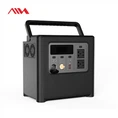
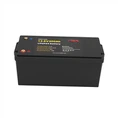
Lithium-ion batteries are a popular choice these days because they're lightweight, have a long lifespan, and can be charged quickly. If you're in the market for a new 12V battery, you might want to consider a Lifepo4 LFP Battery Pack 12v 300Ah Lithium Lon Battery Rechargeable Battery Pack For Home Energy Storage. It's a great option for home energy storage and other applications. Another option is the Deep Cycle 12v 100ah Lifepo4 RV Battery Pack, which is perfect for RVs and other mobile applications.
Check the Battery Management System (BMS)
If you're using a lithium-ion battery, it's likely equipped with a Battery Management System (BMS). The BMS is responsible for protecting the battery from overcharging, over-discharging, and short circuits. Sometimes, a problem with the BMS can prevent the battery from charging.
If you suspect a problem with the BMS, you can try resetting it. This usually involves disconnecting the battery from the charger and then reconnecting it after a few minutes. If that doesn't work, you might need to replace the BMS. You can find replacement BMS units for most lithium-ion batteries online.
Another option is to use a battery with a built-in BMS, like the 12V 300ah Lifepo4 Bms Inside Power System. This type of battery is designed to be more reliable and easier to use, as the BMS is already integrated into the battery pack.
Seek Professional Help
If you've tried all of these troubleshooting steps and your 12V battery still won't charge, it might be time to seek professional help. A battery specialist or an auto mechanic can perform more in-depth tests to diagnose the problem. They might also be able to repair or replace the battery for you.
In some cases, the problem might be with the charging system in your vehicle or equipment. A professional can check the alternator, voltage regulator, and other components to make sure they're working properly.
Conclusion
Troubleshooting a 12V battery that won't charge can be a bit of a headache, but with a little patience and some basic knowledge, you can usually figure out what's going on. Remember to start with the basics, like checking the charger and connections, and then move on to inspecting the battery itself. If all else fails, don't hesitate to seek professional help.
If you're in the market for a new 12V battery, we've got a great selection of high-quality batteries to choose from. Whether you need a battery for your home energy storage system, your RV, or your vehicle, we've got you covered. Just get in touch with us to discuss your needs and we'll help you find the perfect battery for your application.
References
- Battery University: A comprehensive resource for battery information and troubleshooting.
- AutoZone: Offers helpful guides on battery maintenance and troubleshooting.
- Your local battery retailer: They can provide expert advice and assistance with battery problems.