



Yo, folks! As a backup battery supplier, I get asked a ton of questions about these power - saving gadgets. One question that comes up a lot is, "How heavy is a typical backup battery?" Well, let's dig into this topic and find out.
First off, it's important to understand that backup batteries come in all shapes and sizes, so their weights can vary widely. The weight of a backup battery mainly depends on its capacity, the type of battery cells it uses, and the additional features it has.
Capacity Matters
The capacity of a backup battery is usually measured in watt - hours (Wh) or ampere - hours (Ah). Generally speaking, the higher the capacity, the heavier the battery. A small backup battery with a capacity of around 100 - 200 Wh might weigh just a couple of pounds. These are often the kind you'd use to charge your phone, tablet, or small USB - powered devices. They're super portable and can easily fit in your backpack for a day out.
On the other hand, larger backup batteries with capacities of 1000 Wh or more can be quite hefty. These big boys are designed to power larger appliances like mini - fridges, laptops, or even some power tools. A 1000 Wh backup battery can weigh anywhere from 20 to 50 pounds. That's a significant difference, right?
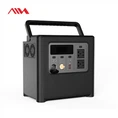
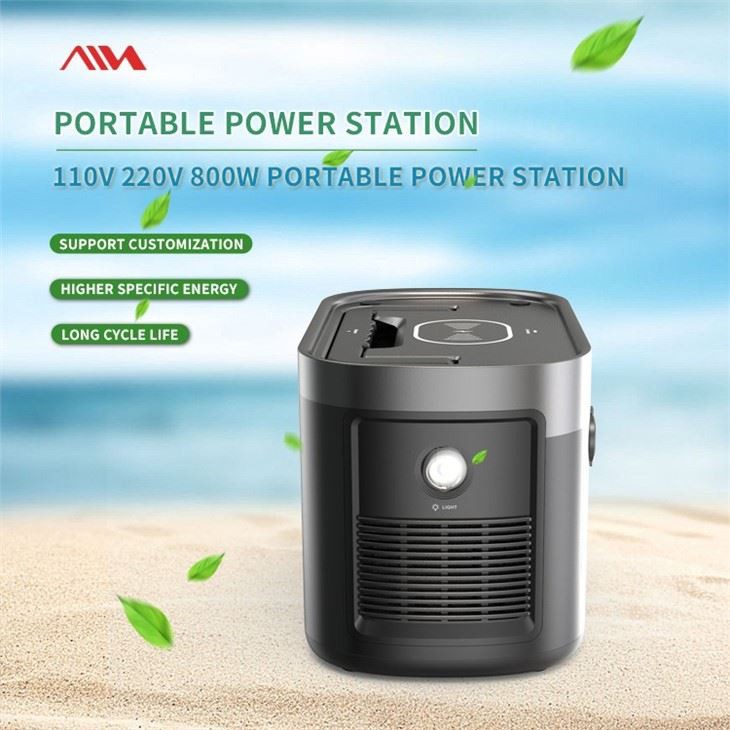
Let's take a look at some of the backup batteries we offer. Our 800W Portable Generator For Outdoor Camping is a great example. It has a decent capacity that can keep your camping essentials running, and it weighs around 30 pounds. This makes it manageable to carry around the campsite but still powerful enough to do the job.
Battery Cell Types
The type of battery cells used also plays a huge role in determining the weight. The two most common types of battery cells in backup batteries are lead - acid and lithium - ion.
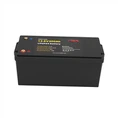
Lead - acid batteries are the older technology. They're relatively cheap to produce, but they're also very heavy. A lead - acid backup battery can be twice as heavy as a lithium - ion battery with the same capacity. For instance, a lead - acid battery with a 500 Wh capacity might weigh around 40 pounds, while a lithium - ion one with the same capacity could weigh around 20 pounds.
Lithium - ion batteries are the new kids on the block. They're lighter, have a longer lifespan, and charge faster. That's why most of our high - end backup batteries use lithium - ion cells. Our 1000W Portable Generator For Outdoor Camping uses lithium - ion cells. Despite its high capacity, it's designed to be as light as possible without sacrificing power, making it a great choice for those who need a lot of juice but don't want to carry around a ton of weight.
Additional Features
Some backup batteries come with extra features like built - in inverters, multiple charging ports, or even solar charging capabilities. These features can add to the weight of the battery.
For example, a battery with a built - in inverter has to have the necessary components to convert the DC power from the battery into AC power that can be used by most household appliances. This inverter adds some bulk and weight to the battery.
Our 700W Portable Generator For Outdoor Camping has a built - in inverter and multiple charging ports. It's a bit heavier because of these features, but it offers a lot of convenience. You can charge your devices directly from the battery, whether they need AC or DC power.
Why Weight Matters
You might be wondering why the weight of a backup battery is such a big deal. Well, there are a few reasons.
If you're planning to use the backup battery for outdoor activities like camping or hiking, portability is key. You don't want to be lugging around a 50 - pound battery on a long hike. A lighter battery makes it easier to transport and set up at your campsite.
For home use, weight might not be as much of a concern, but it can still matter. If you need to move the battery around your house or store it in a tight space, a lighter battery is more convenient.
Making the Right Choice
So, how do you choose the right backup battery for your needs? First, think about what you'll be using the battery for. If you just need to charge your small electronics, a lightweight, low - capacity battery will do the trick. But if you're looking to power larger appliances during a power outage, you'll need a more powerful (and likely heavier) battery.
Next, consider your budget. Lithium - ion batteries are more expensive but offer better performance and are lighter. Lead - acid batteries are cheaper but heavier.
Finally, think about portability. If you need to move the battery around a lot, go for a lighter option.
As a backup battery supplier, we're here to help you make the best choice. We've got a wide range of backup batteries to suit different needs and budgets. Whether you're looking for a small, lightweight battery for your phone or a large, powerful one for your home appliances, we've got you covered.

If you're interested in our products or have any questions about backup batteries, don't hesitate to reach out. We're happy to have a chat and help you find the perfect fit for your power needs. Let's start a conversation and see how we can keep you powered up!
References
- Battery University: Information on battery types and their properties.
- Industry reports on backup battery technology and market trends.