


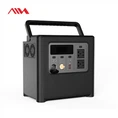
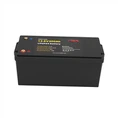

Figuring out the maximum charge current for a brick battery can be a bit of a head - scratcher. But don't worry! As a brick battery supplier, I'm here to break it all down for you in plain English.


First off, let's talk a bit about brick batteries. They're becoming super popular, especially for home energy storage systems. You might have heard of the Brick 20KWh Battery For Home ESS, the LiFePO4 51.2V 200Ah 10Kwh Brick Battery, or the Solar Home 15KWh Brick 51.2v 300ah Lifepo4 ESS. These are some of the top - of - the - line products in the market.
The maximum charge current of a brick battery isn't a one - size - fits - all number. It depends on several factors. One of the biggest factors is the battery chemistry. Most of the brick batteries we supply are LiFePO4 (lithium iron phosphate) batteries. LiFePO4 batteries are known for their long cycle life, high safety, and good thermal stability. But they also have their own unique charge current limits.
The capacity of the battery is another key factor. A larger capacity battery generally can handle a higher charge current, but there are still limits. For instance, a 10kWh brick battery might have a different maximum charge current compared to a 20kWh one. Usually, the manufacturer will specify the maximum charge current in the product manual. For example, a LiFePO4 51.2V 200Ah 10Kwh Brick Battery might have a recommended maximum charge current of around 100A. This calculation is based on the battery's internal resistance, the heat - dissipation capacity, and the chemical reactions that happen during the charging process.
The charging equipment also plays a huge role. You can't just hook up any charger to a brick battery and expect it to work optimally. The charger needs to be compatible with the battery in terms of voltage and current output. A high - quality charger is essential to ensure that the battery is charged safely and efficiently. If you use a charger with a higher current output than the battery can handle, it can lead to overheating, reduced battery life, and even safety hazards like fire or explosion. On the other hand, if the charger has a very low current output, the charging process will take forever.
Temperature is yet another factor that affects the maximum charge current. Batteries operate best within a certain temperature range. In cold temperatures, the chemical reactions in the battery slow down, and the battery's internal resistance increases. This means that you might need to reduce the charge current to avoid overheating the battery during charging. In hot temperatures, the battery can already be at risk of overheating, so again, the charge current should be kept in check.
Let's take a real - world example. Say you have a Solar Home 15KWh Brick 51.2v 300ah Lifepo4 ESS. During the summer, when the outside temperature is quite high, you might need to limit the charge current to, let's say, 120A instead of the normal 150A. This way, you're protecting the battery from overheating and ensuring its long - term performance.
Now, how do you determine the exact maximum charge current for your specific brick battery? Well, the first thing you should do is to read the product manual. It's like a bible for your battery. The manufacturer has done a ton of testing to determine the safe and optimal charge current for the battery. If you can't find the manual or have some questions, you can always reach out to the supplier (that's us!).
As a supplier, we've seen a lot of cases where customers try to charge their batteries at a higher current than recommended. Sometimes, they're in a hurry to get the battery charged, or they think that a higher current will charge the battery faster. But in the long run, it usually ends up costing them more because the battery's lifespan gets shortened.
We always recommend following the manufacturer's guidelines when it comes to charging your brick battery. If you're looking to increase the charging speed, there are other ways to do it without sacrificing the battery's safety and longevity. For example, you can use multiple chargers in parallel, as long as they're properly configured and the total charge current doesn't exceed the battery's limit.
Another important thing to keep in mind is the state - of - charge (SOC) of the battery. When the battery is at a low SOC, it can usually handle a higher charge current. As the battery gets closer to being fully charged, the charge current should be gradually reduced to avoid overcharging. This process is called "tapering" the charge current, and most modern chargers are designed to do this automatically.
In conclusion, the maximum charge current for a brick battery is a complex topic that depends on battery chemistry, capacity, charging equipment, temperature, and the state - of - charge. As a brick battery supplier, we're committed to providing you with high - quality products and the information you need to use them safely and effectively.
If you're interested in purchasing our brick batteries or have any questions about the maximum charge current or other technical details, don't hesitate to reach out. We're here to help you make the best decision for your energy storage needs.
References
- Battery University: Lithium - ion Battery Basics
- Manufacturer's product manuals for brick batteries