



As a supplier of 48V batteries, I've encountered numerous situations where customers face issues with their batteries not charging. In this blog post, I'll share some common causes and effective troubleshooting steps to help you get your 48V battery back up and running.
1. Check the Charging Equipment
The first step in troubleshooting a non - charging 48V battery is to examine the charging equipment. A faulty charger can be the root cause of the problem.
- Inspect the Charger Cord: Look for any visible signs of damage such as cuts, frays, or exposed wires on the charger cord. A damaged cord can disrupt the flow of electricity, preventing the battery from charging. If you find any damage, replace the cord immediately.
- Test the Charger Output: Use a multimeter to measure the output voltage of the charger. A properly functioning 48V charger should output close to 48V (usually within a small tolerance range). If the output voltage is significantly lower or higher, the charger may be defective. In this case, you may need to replace the charger.
- Check the Charger Connections: Ensure that the charger is properly connected to both the power source and the battery. Loose connections can cause intermittent charging or no charging at all. Make sure the plugs are securely inserted and there is no corrosion on the terminals.
2. Examine the Battery Terminals
The battery terminals play a crucial role in the charging process. Any issues with the terminals can prevent the battery from receiving a charge.
- Look for Corrosion: Corrosion on the battery terminals can create a high - resistance barrier, impeding the flow of electricity. You can identify corrosion by the presence of a white or greenish powdery substance on the terminals. To clean the terminals, first, disconnect the charger from the battery. Then, use a mixture of baking soda and water to gently scrub the terminals with a wire brush. Rinse the terminals with clean water and dry them thoroughly before reconnecting the charger.
- Check for Loose Terminals: Loose battery terminals can also cause charging problems. Use a wrench to tighten the terminal connections, but be careful not to overtighten as this can damage the terminals.
3. Assess the Battery State of Health
The overall state of health of the battery can affect its charging ability.


- Measure the Battery Voltage: Use a multimeter to measure the voltage of the battery. A fully charged 48V battery should have a voltage of around 54 - 56V (depending on the battery chemistry). If the measured voltage is significantly lower, it could indicate a discharged or damaged battery.
- Check for Physical Damage: Inspect the battery for any physical damage such as cracks, bulges, or leaks. Physical damage can compromise the internal structure of the battery and prevent it from charging properly. If you find any physical damage, the battery may need to be replaced.
4. Evaluate the Battery Management System (BMS)
Many modern 48V batteries are equipped with a Battery Management System (BMS). The BMS helps protect the battery from over - charging, over - discharging, and short - circuits.
- Understand the BMS Function: The BMS monitors the battery's voltage, temperature, and current. If it detects an abnormal condition, it may shut down the charging process to protect the battery. For example, if the battery temperature is too high or too low, the BMS may prevent charging.
- Check the BMS Indicator Lights: Some BMS units have indicator lights that can provide information about the battery's status. Refer to the BMS user manual to understand what each light indicates. If the BMS is indicating an error, you may need to troubleshoot the BMS or replace it if necessary.
5. Consider the Battery Chemistry and Usage
Different battery chemistries have different charging requirements and characteristics.
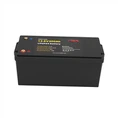
- Lithium - Ion Batteries: Lithium - ion batteries, such as the Rechargeable Smart BMS Bluetooth Lithium Ion Battery 48v 100ah Lithium Battery Lifepo4 Battery, are sensitive to over - charging and over - discharging. They require a charger specifically designed for lithium - ion batteries. Using an incorrect charger can damage the battery and prevent it from charging.
- Deep - Cycle Batteries: Deep - cycle batteries, like the Deep Cycle 200ah 48v Lithium Iron Phosphate Rechargeable Lifepo4 Lithium Battery Pack, are designed to be discharged and recharged multiple times. However, if they are continuously over - discharged, they may lose their ability to hold a charge. Make sure to follow the manufacturer's guidelines for charging and discharging these batteries.
6. Environmental Factors
The environment in which the battery is used and stored can also impact its charging ability.
- Temperature: Extreme temperatures can affect the battery's performance. High temperatures can cause the battery to overheat, while low temperatures can reduce the battery's capacity and slow down the charging process. Try to charge the battery in an environment with a temperature between 20 - 25°C (68 - 77°F) for optimal results.
- Humidity: High humidity can lead to corrosion on the battery terminals and other components. Store and charge the battery in a dry environment to prevent moisture - related issues.
When to Seek Professional Help
If you've tried all the above troubleshooting steps and the battery still won't charge, it may be time to seek professional help. A professional battery technician can perform more in - depth tests, such as load testing and internal resistance measurement, to diagnose the problem accurately.
Conclusion
Troubleshooting a 48V battery that won't charge requires a systematic approach. By checking the charging equipment, battery terminals, battery state of health, BMS, battery chemistry, and environmental factors, you can often identify and resolve the issue. As a 48V battery supplier, we offer a wide range of high - quality batteries, including the 48V 100ah Lifepo4 Bms Inside Battery. If you're facing persistent charging problems or are interested in purchasing a new battery, don't hesitate to contact us for further assistance and to discuss your procurement needs.
References
- Battery charging and maintenance guides provided by battery manufacturers.
- Technical literature on battery management systems.