



As a supplier of cabinet batteries, I've witnessed firsthand the growing demand for reliable energy storage solutions. Cabinet batteries play a crucial role in various applications, from solar energy storage to telecom systems. However, it's essential to understand the environmental impact of these batteries to make informed decisions about their use and disposal.
1. Manufacturing Process
The production of cabinet batteries involves several stages that can have significant environmental implications. The extraction of raw materials, such as lithium, cobalt, and nickel, is often associated with environmental degradation. Mining activities can lead to deforestation, soil erosion, and water pollution. For example, lithium mining in some regions has caused water shortages and contamination of local water sources.
Moreover, the manufacturing process itself consumes a large amount of energy and water. The production of lithium - ion batteries, which are commonly used in cabinet batteries, requires high - temperature processes and complex chemical reactions. This energy consumption typically comes from fossil - fuel - based power sources, contributing to greenhouse gas emissions.
However, as a responsible supplier, we are committed to reducing the environmental impact of our manufacturing processes. We source raw materials from suppliers who adhere to strict environmental standards and are exploring ways to improve the energy efficiency of our production facilities.
2. Energy Storage and Grid Stabilization
One of the most significant benefits of cabinet batteries is their ability to store energy. In solar energy storage systems, for instance, cabinet batteries can store excess energy generated during the day for use at night or during periods of low sunlight. This helps to increase the utilization of renewable energy sources and reduce the reliance on fossil - fuel - based power plants.
The Solar Energy Storage System 48V 50Ah Battery LifePO4 Cabinet Type Lithium Ion Battery is a prime example of a product that contributes to this. By storing solar energy, it allows households and businesses to have a more stable and sustainable energy supply. This not only reduces greenhouse gas emissions but also helps to balance the electrical grid.
When the demand for electricity is high, cabinet batteries can release stored energy into the grid, reducing the need for additional power generation. This grid - stabilizing function is crucial for integrating more renewable energy sources, which are often intermittent, into the power system.
3. End - of - Life Management
The disposal of cabinet batteries at the end of their life cycle is another critical aspect of their environmental impact. If not properly managed, batteries can release harmful chemicals into the environment. Lithium - ion batteries, for example, contain heavy metals such as cobalt and nickel, which can contaminate soil and water if they are not recycled or disposed of correctly.
Recycling is an important solution to reduce the environmental impact of end - of - life batteries. Through recycling, valuable materials can be recovered and reused in the production of new batteries. This reduces the need for raw material extraction and conserves natural resources. However, the current recycling rate for lithium - ion batteries is relatively low, mainly due to the complexity of the recycling process and the lack of a well - established recycling infrastructure.
As a supplier, we are actively promoting battery recycling programs. We work with recycling partners to ensure that our used batteries are recycled in an environmentally friendly way. Additionally, we are researching and developing new battery designs that are easier to recycle.
4. Comparison with Other Energy Storage Options
When considering the environmental impact of cabinet batteries, it's also important to compare them with other energy storage options. Traditional lead - acid batteries, for example, have a long history of use in energy storage but have significant environmental drawbacks. Lead is a highly toxic heavy metal, and the production and disposal of lead - acid batteries can cause serious environmental pollution.
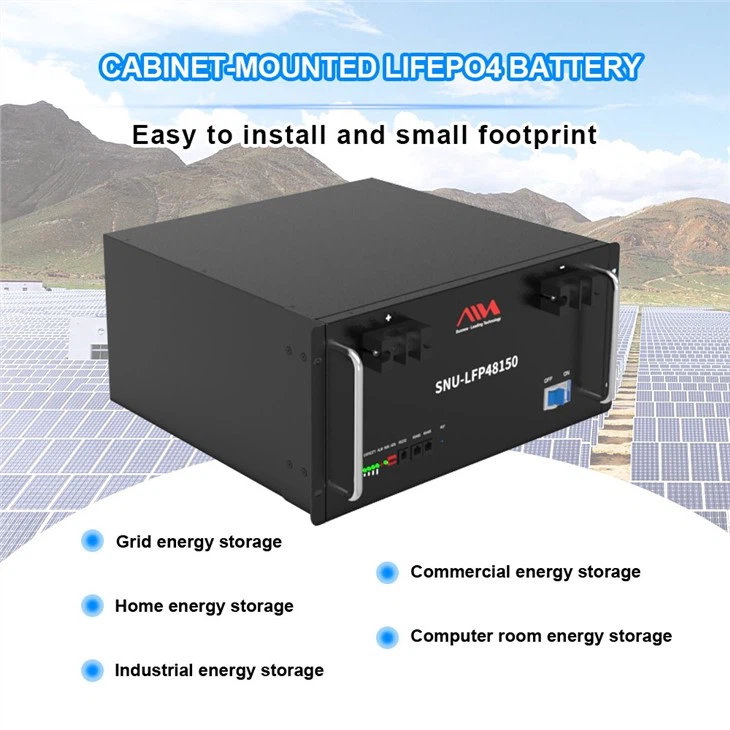

In contrast, lithium - ion cabinet batteries have a higher energy density, longer lifespan, and lower self - discharge rate. They also produce fewer greenhouse gas emissions during their life cycle, especially when used in combination with renewable energy sources.
The Rack - Mounted 48V 100Ah Lifepo4 5Kwh Telecom is a lithium - ion based cabinet battery that offers superior performance and environmental benefits compared to lead - acid alternatives. It is more suitable for long - term energy storage in telecom applications, reducing the overall environmental footprint of the telecom industry.
5. Future Trends and Innovations
The field of cabinet batteries is constantly evolving, and there are several exciting trends and innovations that can further reduce their environmental impact. For example, researchers are developing new battery chemistries that use less - toxic and more abundant materials. Sodium - ion batteries, for instance, are being explored as a potential alternative to lithium - ion batteries. Sodium is more abundant than lithium, and the production of sodium - ion batteries may have a lower environmental impact.
Another trend is the development of second - life applications for used batteries. Even after they can no longer be used in their original application, cabinet batteries may still have enough capacity for less - demanding applications, such as stationary energy storage in off - grid locations. This extends the useful life of the batteries and reduces the need for new battery production.
The Solar Battery 48v 150ah High Quality Deep Cycle Lithium Ion Batteries Lifepo4 Battery Pack is a product that is well - positioned to benefit from these future trends. As technology advances, we expect to see even more efficient and environmentally friendly versions of this type of battery.
Conclusion and Call to Action
In conclusion, cabinet batteries have both positive and negative environmental impacts. While their manufacturing and end - of - life management pose challenges, their role in energy storage and grid stabilization offers significant environmental benefits. As a supplier, we are committed to minimizing the negative impacts and maximizing the positive ones.
We believe that by working together with our customers, suppliers, and recycling partners, we can create a more sustainable future for cabinet battery technology. If you are interested in our cabinet battery products and would like to discuss how they can meet your energy storage needs while being environmentally responsible, we encourage you to reach out to us for procurement and further discussions.
References
- Dunn, B., Kamath, H., & Tarascon, J. - M. (2011). Electrical energy storage for the grid: A battery of choices. Science, 334(6058), 928 - 935.
- Ellis, L. D., & Nazar, L. F. (2012). Sodium - ion batteries. Chemical Society Reviews, 41(15), 5588 - 5614.
- Lu, J., Li, X., & Bruce, P. G. (2013). A review of rechargeable batteries for portable electronic devices. Chemical Society Reviews, 42(7), 2930 - 2942.