


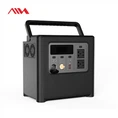
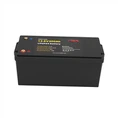

AGV (Automated Guided Vehicle) batteries are the lifeblood of many automated systems, powering everything from warehouse logistics to manufacturing processes. As a leading AGV battery supplier, we understand the critical role these batteries play in your operations. A malfunctioning AGV battery can bring your entire workflow to a halt, causing delays and potentially significant financial losses. In this blog, we'll guide you through the process of troubleshooting a malfunctioning AGV battery, helping you get your operations back on track as quickly as possible.
Step 1: Initial Assessment
The first step in troubleshooting an AGV battery is to conduct a thorough initial assessment. This involves visually inspecting the battery for any obvious signs of damage, such as cracks, leaks, or corrosion. Check the battery terminals for loose connections or signs of overheating, which can be indicated by discoloration or melting. Additionally, look for any signs of physical damage to the battery casing, as this could indicate internal damage.
If you notice any of these issues, it's important to take immediate action. For minor damage, such as loose connections, you may be able to make the necessary repairs yourself. However, for more serious damage, such as cracks or leaks, it's best to contact a professional for assistance. Continuing to use a damaged battery can not only cause further damage to the battery itself but also pose a safety risk.
Step 2: Check the Battery Voltage
Once you've completed the visual inspection, the next step is to check the battery voltage. This will give you an indication of the battery's state of charge and whether it's functioning properly. You can use a multimeter to measure the battery voltage. Simply set the multimeter to the appropriate voltage range and connect the probes to the battery terminals.
A fully charged AGV battery typically has a voltage of around 24 volts. If the voltage is significantly lower than this, it could indicate that the battery is discharged or damaged. However, it's important to note that the voltage can vary depending on the battery's state of charge and the load it's under. Therefore, it's a good idea to measure the voltage both when the battery is at rest and when it's under load to get a more accurate picture of its condition.
If the voltage is low, try charging the battery using a compatible charger. Follow the manufacturer's instructions carefully to ensure that you're charging the battery correctly. If the battery still doesn't reach a full charge after several hours of charging, it could be a sign of a deeper problem, such as a faulty charger or a damaged battery cell.
Step 3: Inspect the Charger
If the battery voltage is low and it's not charging properly, the next step is to inspect the charger. A faulty charger can prevent the battery from charging correctly, leading to a range of issues. Start by checking the charger for any obvious signs of damage, such as frayed cords or loose connections. Make sure the charger is plugged in correctly and that it's receiving power.
Next, check the charger's output voltage and current. You can use a multimeter to measure these values. Compare the readings to the charger's specifications to ensure that it's operating within the correct range. If the output voltage or current is significantly different from the specifications, it could indicate that the charger is faulty and needs to be replaced.
It's also a good idea to check the charger's temperature. A charger that's running too hot could indicate a problem, such as a short circuit or a malfunctioning component. If the charger feels hot to the touch, unplug it immediately and allow it to cool down before using it again.


Step 4: Test the Battery Cells
If the battery voltage is low and the charger is functioning properly, the next step is to test the individual battery cells. A malfunctioning cell can cause the entire battery to fail, even if the other cells are in good condition. You can use a battery cell tester to measure the voltage of each cell.
To test the battery cells, first, make sure the battery is fully charged. Then, connect the battery cell tester to each cell and measure the voltage. Compare the readings to the manufacturer's specifications to ensure that each cell is within the correct range. If one or more cells have a significantly lower voltage than the others, it could indicate that the cell is damaged and needs to be replaced.
Replacing a single battery cell can be a complex and potentially dangerous process, so it's best to leave it to a professional. However, if you have the necessary skills and experience, you can attempt to replace the cell yourself. Make sure you follow the manufacturer's instructions carefully and take all necessary safety precautions.
Step 5: Consider Environmental Factors
In addition to physical damage and electrical issues, environmental factors can also affect the performance of an AGV battery. Extreme temperatures, both hot and cold, can cause the battery to degrade more quickly and reduce its overall lifespan. High humidity can also lead to corrosion and other problems.
If your AGV operates in an environment with extreme temperatures or high humidity, it's important to take steps to protect the battery. This could include using a battery enclosure or insulation to regulate the temperature, or installing a dehumidifier to reduce the humidity. Additionally, make sure the battery is stored in a cool, dry place when not in use.
Step 6: Seek Professional Assistance
If you've followed all of these steps and you're still unable to troubleshoot the malfunctioning AGV battery, it's time to seek professional assistance. As an AGV battery supplier, we have a team of experienced technicians who are trained to diagnose and repair a wide range of battery issues. We can provide you with expert advice and support to help you get your AGV back up and running as quickly as possible.
In addition to our repair services, we also offer a wide range of high-quality AGV batteries to meet your specific needs. Whether you're looking for a Customized LiFePO4 24V 50Ah 100Ah Floor Cleaning Machine Battery Operated Floor Sweeper Battery, a Golf Cart EV Battery 24V 100Ah Rechargeable Deep Cycle Lithium Iron Phosphate LiFePO4 Batteries, or a Cleaning Equipment Battery Pack 24V 50ah, we have the perfect solution for you.
Conclusion
Troubleshooting a malfunctioning AGV battery can be a complex process, but by following these steps, you can identify and resolve many common issues. Remember to always prioritize safety and take the necessary precautions when working with batteries. If you're unsure about any aspect of the troubleshooting process, don't hesitate to seek professional assistance.
At our company, we're committed to providing our customers with the highest quality AGV batteries and exceptional customer service. If you're experiencing problems with your AGV battery or you're in the market for a new battery, we'd love to hear from you. Contact us today to discuss your needs and learn more about our products and services.
References
- Battery University: A comprehensive resource for battery information and troubleshooting.
- AGV Manufacturer's Manual: Always refer to the manufacturer's manual for specific instructions and guidelines regarding your AGV battery.
- Industry Standards and Best Practices: Stay up-to-date with the latest industry standards and best practices for AGV battery maintenance and troubleshooting.