



As a leading supplier of solar generators, I often get asked about the types of appliances that can be powered by these eco - friendly energy solutions. Solar generators are a fantastic alternative to traditional fuel - powered generators, offering clean, quiet, and sustainable power. In this blog, I'll walk you through a variety of appliances that can run on a solar generator, along with some considerations to keep in mind.
Small Electronic Devices
One of the most common uses for a solar generator is to power small electronic devices. These are the items we use daily and rely on for communication, entertainment, and information.
Smartphones and Tablets
Smartphones and tablets are essential parts of our lives. They require relatively little power to charge. A typical solar generator can charge multiple smartphones or tablets several times over. For example, if you have a 500W Solar Portable Power Station, it has enough energy capacity to charge a smartphone with a 3000 - 5000mAh battery many times. You can connect your devices via USB ports, which are standard on most solar generators.
Laptops
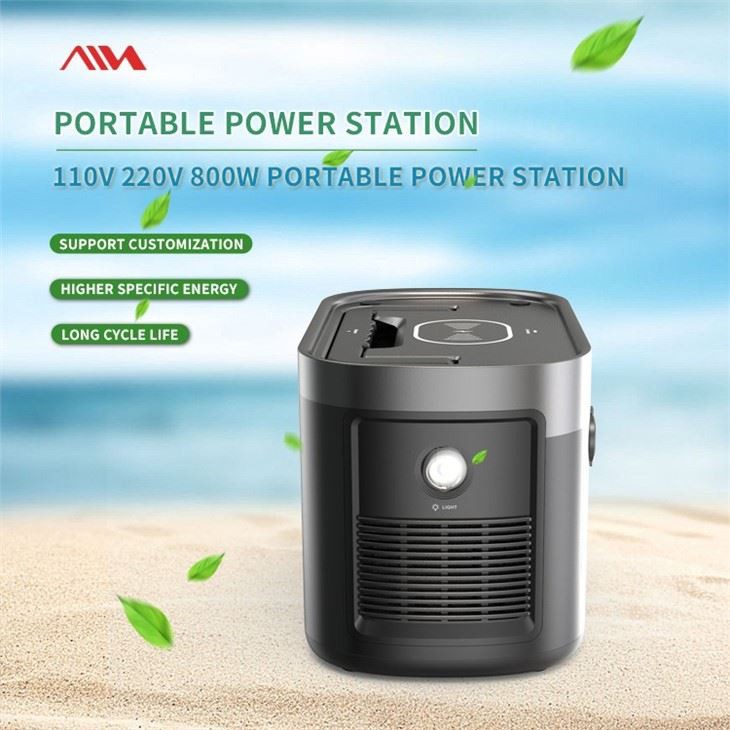
Laptops also fall into the category of small electronic devices that can be powered by a solar generator. The power consumption of laptops varies depending on the model and usage. Ultra - thin laptops with low - power processors may consume around 20 - 30 watts, while high - performance gaming laptops can use up to 100 watts or more. A mid - sized solar generator, like the 800W Portable Generator For Outdoor Camping, can easily handle the power requirements of most laptops for several hours.
Portable Chargers
Portable chargers are great for on - the - go charging, but they need to be charged themselves. A solar generator can be used to charge these portable chargers, ensuring that you always have a backup power source for your small devices. This is especially useful during outdoor activities such as camping or hiking.

Lighting
Lighting is another area where solar generators shine. They can power a variety of lighting fixtures, from small LED bulbs to larger floodlights.
LED Bulbs
LED bulbs are energy - efficient and consume very little power. A single LED bulb may use as little as 3 - 5 watts. You can connect multiple LED bulbs to a solar generator to illuminate a small room or an outdoor area. For example, a 100 - watt solar generator can power 20 - 30 LED bulbs simultaneously.
Lanterns
Portable lanterns are popular for outdoor use, such as camping or emergency situations. Many lanterns are designed to be powered by USB, which makes them compatible with solar generators. You can use a solar generator to keep your lanterns charged and ready to use at all times.
Floodlights
Floodlights are more powerful and are often used for security or large - area illumination. They can consume anywhere from 50 - 200 watts, depending on the brightness. A high - capacity solar generator, like the Sunnew 2304Wh High Capacity Lithium Iron Battery Accessories Solar Charging 800W Quick Charge Portable Power Station, can handle the power requirements of floodlights for a reasonable amount of time.
Kitchen Appliances
While not all kitchen appliances can be powered by a solar generator, there are some that are suitable, especially for small - scale use.
Electric Kettles
Electric kettles are relatively high - power appliances, typically consuming around 1000 - 1500 watts. However, if you have a high - capacity solar generator, you can use it to boil water for a cup of tea or coffee. Keep in mind that running an electric kettle will drain the battery of the solar generator relatively quickly.
Toasters
Toasters usually consume around 800 - 1200 watts. Similar to electric kettles, they can be used with a high - power solar generator, but the usage should be limited to avoid quickly depleting the battery.
Blenders
Blenders consume around 300 - 1000 watts, depending on the model. A mid - sized solar generator can power a blender for short periods, allowing you to make smoothies or blend small batches of food.
Medical Devices
In emergency situations or for off - grid living, solar generators can be a lifesaver when it comes to powering medical devices.
CPAP Machines
Continuous Positive Airway Pressure (CPAP) machines are used by people with sleep apnea. They typically consume around 30 - 60 watts. A solar generator can provide enough power to run a CPAP machine throughout the night, ensuring a good night's sleep for the user.
Nebulizers
Nebulizers are used to administer medication in the form of a mist. They consume very little power, usually around 10 - 20 watts. A small solar generator can easily power a nebulizer for multiple treatments.
Considerations When Running Appliances on a Solar Generator
When using a solar generator to power appliances, there are several factors to consider.
Power Rating
The power rating of the solar generator, measured in watts, determines how much power it can supply at any given time. You need to ensure that the total power consumption of the appliances you want to run does not exceed the power rating of the solar generator. For example, if you have a 500 - watt solar generator, you cannot run a 1000 - watt appliance.
Battery Capacity
The battery capacity of the solar generator, measured in watt - hours (Wh), indicates how much energy it can store. A larger battery capacity means that the solar generator can run appliances for a longer time. Consider the battery capacity when choosing a solar generator based on your usage requirements.
Charging Time
Solar generators rely on sunlight to recharge. The charging time depends on the size of the solar panels, the amount of sunlight available, and the capacity of the battery. In cloudy conditions or during winter months, the charging time may be longer.
Inverter Efficiency
The inverter in a solar generator converts the DC power from the battery into AC power for most appliances. The efficiency of the inverter affects how much power is actually available to the appliances. A more efficient inverter will waste less energy during the conversion process.
Conclusion
Solar generators offer a versatile and sustainable way to power a wide range of appliances. From small electronic devices to some kitchen appliances and medical devices, they can meet many of our power needs, especially in off - grid or emergency situations.
If you're interested in purchasing a solar generator for your specific appliance needs, we're here to help. We offer a wide range of solar generators with different power ratings and battery capacities to suit various requirements. Contact us to start a procurement discussion and find the perfect solar generator solution for you.
References
- DOE (Department of Energy). "Solar Energy Basics."
- IEEE (Institute of Electrical and Electronics Engineers). "Power Electronics for Renewable Energy Systems."
- National Renewable Energy Laboratory (NREL). "Off - Grid Power Systems."