




What are the installation requirements for a home battery?
As a home battery supplier, I've encountered numerous customers eager to embrace the benefits of home battery systems. These systems not only offer energy independence but also provide a reliable backup during power outages. However, proper installation is crucial to ensure optimal performance and safety. In this blog post, I'll delve into the key installation requirements for a home battery, guiding you through the process from start to finish.
1. Electrical System Compatibility
Before installing a home battery, it's essential to assess the compatibility of your existing electrical system. This includes evaluating the capacity of your electrical panel, the type of wiring, and the overall electrical load of your home. A home battery typically requires a dedicated circuit breaker in your electrical panel to ensure safe and efficient operation. The size of the breaker will depend on the power rating of the battery system.
For instance, if you're considering the 500W Solar Portable Power Station, it's important to ensure that your electrical panel can handle the additional load. Our technical team can assist you in determining the appropriate breaker size and making any necessary upgrades to your electrical system.
2. Location and Ventilation
The location where you install your home battery is critical for its performance and longevity. The battery should be installed in a well-ventilated area away from direct sunlight, heat sources, and moisture. A cool and dry environment helps to maintain the battery's temperature within the optimal range, which can extend its lifespan and improve its efficiency.
Indoor installations are often preferred, as they provide better protection from the elements. However, if you choose to install the battery outdoors, it must be housed in a weatherproof enclosure. Additionally, proper ventilation is essential to prevent the buildup of heat and gases. Some home batteries are designed with built-in ventilation systems, while others may require additional ventilation equipment.
3. Mounting and Support
Proper mounting and support are essential to ensure the stability and safety of your home battery. The battery should be mounted on a sturdy surface that can support its weight. This may require the installation of brackets or a dedicated mounting frame. It's important to follow the manufacturer's instructions carefully when mounting the battery to avoid any damage or safety hazards.
In some cases, the weight of the battery may require additional structural support. Our installation team can assess your home's structure and recommend the appropriate mounting solution to ensure the safe and secure installation of your home battery.

4. Solar Integration (if applicable)
Many home battery systems are designed to work in conjunction with solar panels. If you're planning to integrate your home battery with a solar power system, there are additional installation requirements to consider.
First, you'll need to ensure that your solar panels are compatible with the battery system. This includes matching the voltage and power ratings of the panels and the battery. Additionally, you'll need to install a charge controller to regulate the flow of electricity from the solar panels to the battery.
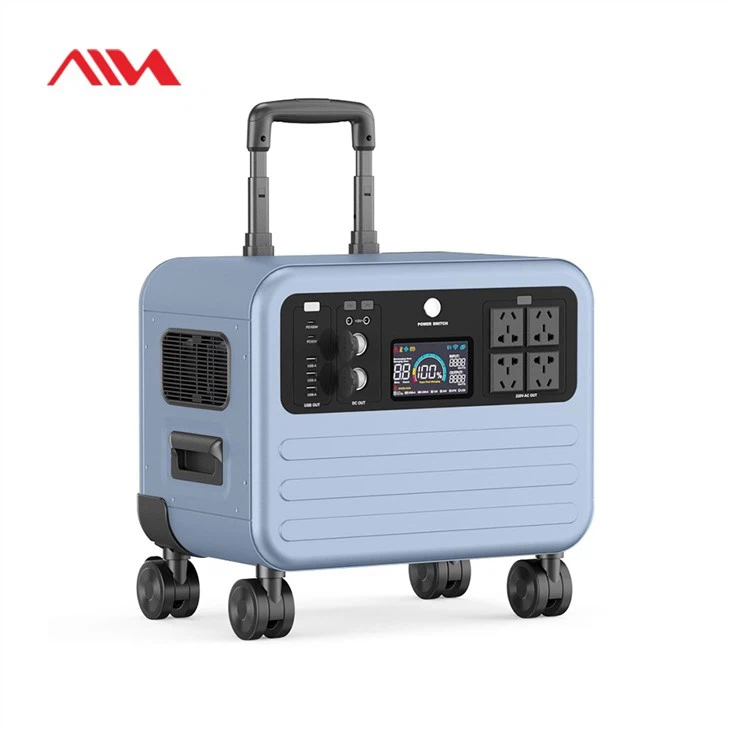
The Sunnew 2304Wh High Capacity Lithium Iron Battery Accessories Solar Charging 800W Quick Charge Portable Power Station is an excellent option for solar integration. It features a high-capacity lithium iron battery and a fast-charging solar input, allowing you to store excess solar energy for use during periods of low sunlight or power outages.
5. Safety and Code Compliance
Safety is of utmost importance when installing a home battery. It's essential to follow all local electrical codes and regulations to ensure the safe and legal installation of your battery system. This may include obtaining the necessary permits and inspections before and after installation.
Our installation team is fully trained and certified to install home battery systems in compliance with all relevant codes and regulations. We'll handle all the paperwork and ensure that your installation meets all the necessary safety standards.
6. Monitoring and Maintenance
Once your home battery is installed, it's important to have a monitoring system in place to track its performance and health. Many home battery systems come with built-in monitoring capabilities that allow you to view real-time data on your battery's charge level, power output, and other important metrics.
Regular maintenance is also essential to ensure the long-term performance and reliability of your home battery. This may include checking the battery's connections, cleaning the terminals, and performing periodic capacity tests. Our team can provide you with detailed maintenance instructions and offer ongoing support to keep your home battery in optimal condition.
7. System Testing and Commissioning
After the installation is complete, it's crucial to conduct a thorough system test to ensure that everything is working properly. This includes testing the battery's charging and discharging functions, checking the electrical connections, and verifying the performance of the monitoring system.
Our installation team will perform a comprehensive system test and commissioning process to ensure that your home battery system is operating at peak efficiency. We'll also provide you with a detailed report of the test results and offer training on how to operate and maintain your system.
Conclusion
Installing a home battery is a significant investment that can provide numerous benefits, including energy independence, backup power, and cost savings. However, it's important to ensure that the installation is done correctly to ensure optimal performance and safety. By following the installation requirements outlined in this blog post and working with a reputable home battery supplier, you can enjoy the peace of mind that comes with a reliable and efficient home battery system.
If you're interested in learning more about our home battery products or have any questions about the installation process, please don't hesitate to contact us for a consultation. Our team of experts is here to help you find the right solution for your home and guide you through every step of the installation process.
References
- "Home Battery Installation Guide," National Renewable Energy Laboratory.
- "Electrical Safety Codes for Home Battery Systems," Institute of Electrical and Electronics Engineers.
- "Solar Integration Best Practices for Home Batteries," Solar Energy Industries Association.