


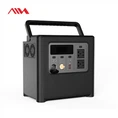
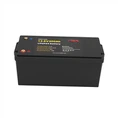

When it comes to installing a large-capacity home battery, there are numerous factors that homeowners and installers need to take into account. As a home battery supplier, I've witnessed firsthand the importance of these considerations to ensure the safe, efficient, and long-lasting operation of the battery system. In this blog post, I'll delve into the key installation considerations for a large-capacity home battery.
Location Selection
The first and perhaps most crucial consideration is the location where the home battery will be installed. The location should meet several criteria to ensure optimal performance and safety.
Ventilation
Proper ventilation is essential for large-capacity home batteries. Most batteries generate heat during charging and discharging cycles. Without adequate ventilation, the heat can build up, which may reduce the battery's lifespan and even pose a safety risk. For instance, lithium-ion batteries, which are commonly used in home battery systems, can experience thermal runaway if they overheat. Therefore, the installation location should have good air circulation. An outdoor location or a well-ventilated indoor room, such as a garage or a utility room, is often a good choice.
Temperature Control
Temperature has a significant impact on battery performance. Extreme temperatures, both hot and cold, can affect the battery's capacity and efficiency. Batteries generally perform best within a specific temperature range. For example, lithium-ion batteries typically operate optimally between 20°C and 25°C. If the installation location is too hot, the battery may degrade faster, and if it's too cold, the battery's capacity may be reduced. In areas with extreme temperatures, it may be necessary to install the battery in a climate-controlled environment or use a thermal management system to regulate the temperature.
Accessibility
The installation location should also be easily accessible for maintenance and inspection. Home batteries require regular maintenance, such as checking the battery's state of charge, inspecting the connections, and cleaning the battery terminals. A location that is difficult to reach may make these tasks challenging and may even lead to neglect, which can affect the battery's performance and lifespan.
Structural Integrity
The location must be able to support the weight of the battery. Large-capacity home batteries can be quite heavy, especially those with high energy densities. Before installation, it's important to assess the structural integrity of the chosen location. For example, if the battery is to be installed on a floor, the floor should be able to bear the weight without sagging or cracking.
Electrical Considerations
Electrical considerations are also vital when installing a large-capacity home battery.
Compatibility with the Home's Electrical System
The home battery must be compatible with the home's existing electrical system. This includes factors such as voltage, frequency, and electrical load. The battery should be able to integrate seamlessly with the home's electrical panel and other electrical devices. For example, if the home has a 240-volt electrical system, the battery should be designed to operate at this voltage.
Wiring and Connections
Proper wiring and connections are essential for the safe and efficient operation of the home battery. The wiring should be sized correctly to handle the electrical current without overheating. All connections should be secure and free of corrosion. Loose or corroded connections can cause electrical resistance, which can lead to heat generation and potential safety hazards. It's also important to follow all local electrical codes and regulations when installing the wiring and connections.


Protection Devices
To protect the battery and the home's electrical system, appropriate protection devices should be installed. These may include fuses, circuit breakers, and surge protectors. Fuses and circuit breakers can prevent overcurrent situations, which can damage the battery or cause a fire. Surge protectors can protect the battery from voltage spikes, which can occur during power outages or due to lightning strikes.
Safety Considerations
Safety is of utmost importance when installing a large-capacity home battery.
Fire Safety
As mentioned earlier, batteries can pose a fire risk, especially if they overheat or experience a short circuit. Therefore, it's important to take fire safety precautions. This may include installing fire-resistant enclosures around the battery, having fire extinguishers nearby, and ensuring that the installation location is away from flammable materials.
Chemical Safety
Some home batteries, such as lead-acid batteries, contain chemicals that can be harmful if they leak or are mishandled. It's important to follow proper safety procedures when handling these batteries. This includes wearing appropriate protective gear, such as gloves and goggles, and having a spill containment plan in place.
Installation by a Qualified Professional
To ensure the safety of the installation, it's highly recommended that the home battery be installed by a qualified professional. A professional installer has the knowledge and experience to install the battery correctly, follow all safety regulations, and ensure that the battery is integrated properly with the home's electrical system.
System Design and Configuration
The design and configuration of the home battery system also play an important role in its performance.
Battery Capacity and Energy Requirements
Before installing a large-capacity home battery, it's important to determine the home's energy requirements. This includes considering factors such as the average daily energy consumption, peak energy demand, and the desired backup time during power outages. Based on these requirements, the appropriate battery capacity can be selected. A battery with too little capacity may not meet the home's energy needs, while a battery with too much capacity may be unnecessary and costly.
Integration with Renewable Energy Sources
Many homeowners choose to install home batteries in conjunction with renewable energy sources, such as solar panels. When integrating the battery with a renewable energy system, it's important to ensure that the battery can store the energy generated by the renewable source efficiently. This may require the use of a charge controller to regulate the charging process and prevent overcharging.
Monitoring and Control Systems
A monitoring and control system can provide valuable information about the battery's performance, such as the state of charge, temperature, and energy usage. This information can help homeowners optimize the use of the battery and detect any potential problems early. Some monitoring and control systems also allow homeowners to remotely control the battery, which can be convenient for managing the energy consumption of the home.
Cost Considerations
Finally, cost is an important factor when installing a large-capacity home battery.
Initial Investment
The initial cost of purchasing and installing a large-capacity home battery can be significant. This includes the cost of the battery itself, the installation labor, and any additional equipment, such as wiring, protection devices, and monitoring systems. However, it's important to consider the long-term benefits of the battery, such as energy savings, backup power during outages, and the potential to earn incentives or rebates.
Operating and Maintenance Costs
In addition to the initial investment, there are also operating and maintenance costs associated with the home battery. These may include the cost of electricity to charge the battery, the cost of replacing the battery after its lifespan, and the cost of regular maintenance. It's important to factor in these costs when evaluating the overall cost-effectiveness of the home battery system.
As a home battery supplier, we offer a range of high-quality home battery products that are designed to meet the diverse needs of homeowners. Our products are not only reliable and efficient but also come with excellent after-sales service. If you're interested in learning more about our home battery systems or have any questions about the installation process, please feel free to contact us for a detailed consultation. We're committed to helping you make the right choice for your home's energy needs.
In addition to our home battery systems, we also offer a variety of portable power solutions, such as the 900W Solar Portable Power Station, the 600W Portable Generator For Outdoor Camping, and the Outdoor 200W 110V 220V Ac Qc3.0 Fast Charge Emergency Multi-Function Portable Lithium Power Station. These portable power solutions are perfect for outdoor activities, emergencies, and off-grid living.
If you're considering purchasing a home battery or any of our portable power products, we encourage you to contact us for a free quote and to discuss your specific requirements. Our team of experts is ready to assist you in making an informed decision and ensuring a smooth installation process.
References
- "Battery Energy Storage Systems: Design and Installation Guide" by the Electric Power Research Institute
- "Lithium-Ion Batteries: Fundamentals and Applications" by Ralph Brodd and Martin Winter
- Local electrical codes and regulations