



As a supplier of cylindrical cells, I am acutely aware of the importance of understanding the potential safety hazards associated with these energy storage devices. Cylindrical cells are widely used in various applications, from consumer electronics to electric vehicles, due to their high energy density, long cycle life, and relatively low cost. However, like any other battery technology, they are not without risks. In this blog post, I will delve into the potential safety hazards of cylindrical cells and discuss the measures that can be taken to mitigate them.
Thermal Runaway
One of the most significant safety hazards associated with cylindrical cells is thermal runaway. Thermal runaway is a self - accelerating process in which the heat generated within the cell exceeds the heat dissipated to the surroundings. This can lead to a rapid increase in temperature, which in turn can cause the electrolyte to decompose, the separator to melt, and ultimately, a short - circuit within the cell.
The main causes of thermal runaway include overcharging, over - discharging, external short - circuits, and mechanical abuse. Overcharging can cause the positive electrode to release excessive lithium ions, which can react with the electrolyte and generate heat. Over - discharging, on the other hand, can lead to the formation of metallic lithium on the negative electrode, which can cause a short - circuit. External short - circuits can occur when the positive and negative terminals of the cell come into contact with a conductive material, while mechanical abuse such as crushing or puncturing can damage the internal structure of the cell and lead to a short - circuit.
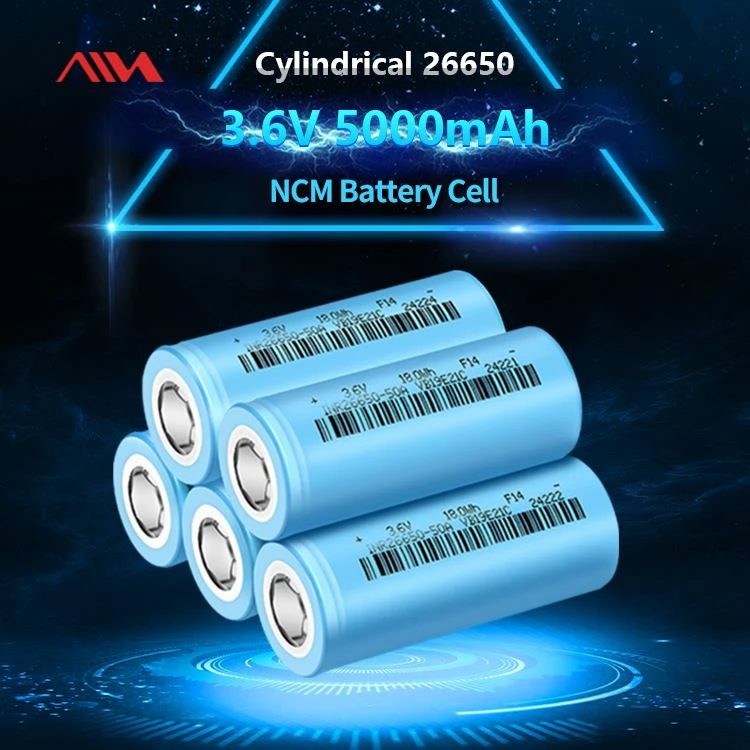
To prevent thermal runaway, it is essential to use proper charging and discharging circuits that can monitor the voltage and current of the cell. Additionally, thermal management systems can be employed to dissipate heat and maintain the cell at a safe operating temperature. For example, our Cylindrical 3.6v 5000mah NCM Cell is designed with built - in protection circuits to prevent overcharging and over - discharging.
Electrolyte Leakage
Another potential safety hazard of cylindrical cells is electrolyte leakage. The electrolyte in a cylindrical cell is a highly flammable and corrosive liquid that contains lithium salts. If the cell casing is damaged or the seal is broken, the electrolyte can leak out, which can pose a fire hazard and cause damage to the surrounding components.

Electrolyte leakage can occur due to manufacturing defects, mechanical stress, or over - pressurization of the cell. Manufacturing defects such as improper sealing or cracks in the cell casing can allow the electrolyte to escape. Mechanical stress, such as vibration or shock, can also cause the casing to crack or the seal to break. Over - pressurization can occur during overcharging or thermal runaway, which can cause the cell to rupture and release the electrolyte.
To minimize the risk of electrolyte leakage, it is important to ensure that the cells are manufactured with high - quality materials and strict quality control measures. Additionally, the cells should be designed to withstand mechanical stress and have proper pressure - relief mechanisms. Our High Rate 3.2v 3000mah Lifepo4 Cell is manufactured using advanced sealing technology to prevent electrolyte leakage.
Gas Generation
Gas generation is another safety concern associated with cylindrical cells. During normal operation, a small amount of gas is generated within the cell due to electrochemical reactions. However, under certain conditions, such as overcharging, over - discharging, or high - temperature operation, the rate of gas generation can increase significantly.
The gases generated in a cylindrical cell mainly include hydrogen, oxygen, and carbon dioxide. These gases are flammable and can pose an explosion hazard if they accumulate in a confined space. Additionally, the increase in gas pressure can cause the cell to swell or rupture, leading to other safety issues such as electrolyte leakage and thermal runaway.
To address the issue of gas generation, it is important to design the cell with proper ventilation and pressure - relief mechanisms. These mechanisms can allow the gases to escape safely and prevent the build - up of pressure within the cell. Our Cylindrical 3.2v 3300mah Lifepo4 Cell is equipped with a pressure - relief valve to release the gases in case of over - pressurization.
Internal Short - Circuits
Internal short - circuits are a critical safety hazard in cylindrical cells. An internal short - circuit occurs when the positive and negative electrodes within the cell come into direct contact with each other, bypassing the separator. This can lead to a rapid discharge of the cell, generating a large amount of heat and potentially causing thermal runaway.
Internal short - circuits can be caused by manufacturing defects, such as the presence of metal particles or debris within the cell, or by mechanical abuse that damages the separator. Metal particles can act as conductive bridges between the electrodes, while a damaged separator can no longer prevent the direct contact between the positive and negative electrodes.
To prevent internal short - circuits, strict manufacturing processes and quality control are necessary. This includes using high - purity materials, ensuring proper alignment of the electrodes and separator during assembly, and conducting thorough inspections. Our manufacturing facilities adhere to strict quality control standards to minimize the risk of internal short - circuits in our cylindrical cells.
Mitigation Strategies
As a supplier of cylindrical cells, we take several measures to mitigate these safety hazards. Firstly, we conduct extensive research and development to improve the design of our cells. This includes using advanced materials for the electrodes, separators, and electrolyte, as well as optimizing the cell structure to enhance safety.
Secondly, we implement strict quality control measures throughout the manufacturing process. This includes raw material inspection, in - process quality checks, and final product testing. We also use advanced testing equipment and techniques to ensure that our cells meet the highest safety standards.
Thirdly, we provide comprehensive technical support to our customers. This includes offering guidance on proper installation, use, and maintenance of our cells, as well as providing safety training to ensure that the end - users are aware of the potential risks and how to prevent them.
Conclusion
In conclusion, while cylindrical cells offer many advantages in terms of energy density and performance, they also pose several potential safety hazards. These hazards include thermal runaway, electrolyte leakage, gas generation, and internal short - circuits. However, by understanding these hazards and implementing appropriate mitigation strategies, we can ensure the safe use of cylindrical cells in various applications.
If you are interested in purchasing our high - quality and safe cylindrical cells, we invite you to contact us for further discussion. We are committed to providing you with the best products and services to meet your energy storage needs.
References
- Linden, D., & Reddy, T. B. (2002). Handbook of Batteries. McGraw - Hill.
- Goodenough, J. B., & Kim, Y. (2010). Challenges for rechargeable batteries. Chemistry of Materials, 22(3), 587 - 603.
- Arora, P., & Zhang, Z. (2004). Battery separators. Chemical Reviews, 104(10), 4419 - 4462.