



A 12V battery is a common power source used in various applications, from automotive vehicles to marine equipment, solar power systems, and even some home energy storage setups. As a 12V battery supplier, I've encountered numerous customers dealing with battery - related issues. Understanding the signs of a bad 12V battery is crucial for timely replacement and avoiding unexpected power failures.
1. Difficulty in Starting
One of the most obvious signs of a failing 12V battery is difficulty in starting the device it powers. In an automotive context, if you turn the key in the ignition and hear a slow - cranking sound or the engine struggles to start, it could be a sign of a weak battery. The battery provides the initial power to turn the starter motor, which then starts the engine. A bad battery may not have enough charge or capacity to power the starter motor effectively.
For marine engines, the same principle applies. If you have trouble getting the boat engine to start, and you've checked other components like the fuel system, the 12V battery might be the culprit. In solar power systems with 12V batteries, if the inverter or other connected devices are not powering up properly or take a long time to boot, it could indicate a problem with the battery's ability to deliver the necessary power.
2. Dim Lights
Another tell - tale sign is dimming lights. In a car, the headlights, interior lights, and dashboard lights may appear dimmer than usual. This is because the battery is not supplying enough voltage to power the lights at their normal brightness. The same can be observed in other applications. For example, in a home energy storage system using a 12V battery, if the lights connected to the system seem less bright, it could be due to a bad battery.


Lights are a good indicator because they are directly affected by the voltage output of the battery. A healthy 12V battery should maintain a relatively stable voltage, but a failing battery may experience voltage drops, resulting in dimmer lights.
3. Swollen or Bloated Case
Physically inspecting the battery can also reveal problems. A swollen or bloated battery case is a serious sign of trouble. This can occur due to overcharging, excessive heat, or internal short - circuits. When a battery swells, it indicates that there is a build - up of gas inside the battery, which can be dangerous.
Overcharging can cause the electrolyte in the battery to break down and produce hydrogen and oxygen gases. If these gases cannot escape properly, they can cause the battery case to expand. A bloated battery should be handled with extreme caution as it may be at risk of explosion or leakage.
4. Sulfation
Sulfation is a common issue in lead - acid 12V batteries. It occurs when the lead plates inside the battery react with the sulfuric acid electrolyte and form lead sulfate crystals. Over time, these crystals can build up on the plates, reducing the battery's ability to hold a charge and deliver power.
Signs of sulfation include a reduced capacity, slower charging times, and a general decline in performance. You may notice that the battery doesn't last as long between charges or that it takes much longer to recharge fully. Sulfation can be caused by leaving the battery in a discharged state for too long, infrequent charging, or using an incorrect charger.
5. Shortened Battery Life
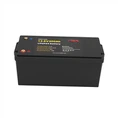
If you find that your 12V battery is not lasting as long as it should, it could be a sign of a bad battery. A healthy battery should have a certain lifespan depending on its type, usage, and maintenance. For example, a typical lead - acid automotive battery may last 3 - 5 years, while a lithium - ion 12V battery like the 12V 300ah Lifepo4 Bms Inside Power System can have a much longer lifespan if properly maintained.
If you're constantly having to replace the battery before its expected lifespan, it's likely that there is an underlying problem. This could be due to manufacturing defects, improper charging, or excessive use in harsh conditions.
6. Low Electrolyte Levels
In lead - acid batteries, low electrolyte levels are a sign of a potential problem. The electrolyte in a lead - acid battery is a mixture of sulfuric acid and water, and it plays a crucial role in the battery's chemical reactions. Over time, the water in the electrolyte can evaporate, especially if the battery is frequently overcharged or exposed to high temperatures.
If the electrolyte levels are low, it can lead to increased internal resistance, reduced capacity, and ultimately, a shorter battery life. You can check the electrolyte levels in a lead - acid battery by removing the caps on the battery cells and looking at the level of the liquid. If the levels are below the recommended marks, you may need to add distilled water. However, if the electrolyte levels are consistently low, it could be a sign of a bad battery.
7. Battery Warning Light
In modern vehicles, there is often a battery warning light on the dashboard. This light is designed to alert the driver when there is a problem with the battery or the charging system. If the light comes on, it could indicate that the battery is not being charged properly, has a low charge, or is failing.
In other applications, some devices may have similar warning indicators. For example, in a home energy storage system, the control panel may display an error message related to the battery if there is an issue.
8. Strange Odors
A bad 12V battery may emit strange odors. In lead - acid batteries, a strong sulfur smell can indicate a problem. This smell is often associated with the release of hydrogen sulfide gas, which can be produced when the battery is overcharged, has an internal short - circuit, or is in a state of excessive degradation.
Hydrogen sulfide is a toxic and flammable gas, so if you detect a strong sulfur smell coming from the battery, it's important to handle the situation carefully. In lithium - ion batteries like the Lifepo4 LFP Battery Pack 12v 300Ah Lithium Lon Battery Rechargeable Battery Pack For Home Energy Storage, a burnt or chemical smell could indicate overheating or internal damage.
9. Inconsistent Voltage Readings
Using a multimeter to measure the voltage of the 12V battery can provide valuable information. A healthy 12V lead - acid battery should have a voltage of around 12.6 - 12.8 volts when fully charged. As the battery discharges, the voltage will gradually decrease. However, if you notice inconsistent voltage readings, such as a sudden drop in voltage or a voltage that doesn't seem to follow the normal discharge pattern, it could be a sign of a bad battery.
For lithium - ion 12V batteries, the voltage readings may vary depending on the specific chemistry and design. The LiFePO4 Battery 12v 24v 36v 48v 50ah 100ah 150ah 200ah 300ah Deep Cycle Lithium Ion Battery 12V has its own voltage characteristics, and any deviation from the normal voltage range could indicate a problem.
Importance of Addressing Battery Issues
Ignoring the signs of a bad 12V battery can lead to more serious problems. In an automotive setting, a dead battery can leave you stranded on the road. In a marine environment, it can put you in a dangerous situation if you're unable to start the engine and get back to shore. In solar power and home energy storage systems, a failing battery can disrupt the power supply and cause damage to other connected devices.
As a 12V battery supplier, we understand the importance of providing high - quality batteries and helping our customers identify and address battery issues. If you're experiencing any of the signs mentioned above, it's advisable to have your battery tested and, if necessary, replaced.
We offer a wide range of 12V batteries, including different chemistries like lead - acid and lithium - ion, to suit various applications. Whether you need a battery for your car, boat, solar power system, or home energy storage, we can provide you with the right solution.
If you're interested in learning more about our products or have any questions regarding 12V batteries, feel free to reach out to us. We're here to assist you in making the best choice for your power needs and ensuring that you get the most out of your battery investment. Contact us to start a procurement discussion and find the perfect 12V battery for your requirements.
References
- Battery University: A comprehensive resource on battery technology and maintenance.
- Automotive Service Excellence (ASE) materials: Provide in - depth knowledge on automotive battery systems.
- Marine industry standards and manuals for information on marine 12V battery use and maintenance.