



Hey there! As a 48V battery supplier, I often get asked about the charge current of a 48V battery. It's a super important topic, especially if you're looking to get the most out of your battery and make sure it lasts a long time. So, let's dive right in and break it down.
First off, what exactly is charge current? Well, charge current is the amount of electrical current that flows into a battery when it's being charged. It's measured in amperes (A), and it plays a huge role in how fast your battery charges and how healthy it stays over time.
Now, the charge current for a 48V battery isn't a one - size - fits - all kind of thing. There are several factors that can affect what the ideal charge current should be.
One of the biggest factors is the battery chemistry. Different types of 48V batteries, like lead - acid, lithium - ion, and lithium iron phosphate (LiFePO4), have different charge current requirements.
Let's start with lead - acid batteries. These are the older, more traditional type of batteries. They're relatively cheap but have some limitations. For lead - acid 48V batteries, the charge current is usually limited to a relatively low value. A common rule of thumb is to keep the charge current at around 0.1C to 0.2C, where C is the battery's capacity in amp - hours (Ah). For example, if you have a 100Ah lead - acid 48V battery, the charge current should be between 10A (0.1 x 100) and 20A (0.2 x 100). This is because lead - acid batteries can overheat and have issues with sulfation if charged too quickly.
On the other hand, lithium - ion batteries, especially LiFePO4 ones, are a bit more forgiving when it comes to charge current. LiFePO4 batteries are known for their high charge and discharge rates. They can typically handle charge currents of up to 1C or even higher in some cases. So, for a 100Ah LiFePO4 48V battery, you could potentially charge it at 100A. But in real - world applications, it's often a good idea to keep the charge current a bit lower, say around 0.5C to 0.8C, to extend the battery's lifespan.
Another factor that affects the charge current is the battery's state of health (SOH). As a battery ages, its ability to accept a high charge current decreases. An older battery might need a lower charge current to avoid damage. You also need to consider the charger you're using. Not all chargers are created equal. A good charger will be able to adjust the charge current based on the battery's needs. It should also have safety features to prevent overcharging.
Let's talk about some of the products we offer as a 48V battery supplier. We have the Rechargeable Smart BMS Bluetooth Lithium Ion Battery 48v 100ah Lithium Battery Lifepo4 Battery. This battery comes with a smart battery management system (BMS) that helps regulate the charge current and ensures the battery is charged safely and efficiently. The LiFePO4 chemistry allows for a relatively high charge current, so you can get your battery charged up quickly.
We also have the Deep Cycle 200ah 48v Lithium Iron Phosphate Rechargeable Lifepo4 Lithium Battery Pack. This deep - cycle battery is designed for applications where you need a lot of power over a long period. The 200Ah capacity means you can store a large amount of energy, and the LiFePO4 chemistry can handle a decent charge current.
And then there's the Deep Cycle 48V 200ah EV Battery. This battery is perfect for electric vehicles. It needs to be charged in a way that balances speed and battery health. The charge current for this battery will depend on the vehicle's charging system and the battery's specifications.
So, how do you determine the right charge current for your 48V battery? Well, first, check the battery's datasheet. The manufacturer will usually provide recommended charge current values. If you're not sure, you can always consult with us as your battery supplier. We have the expertise to help you figure out the best charge current for your specific application.

It's also important to monitor the battery's temperature during charging. If the battery gets too hot, it could be a sign that the charge current is too high. In that case, you should reduce the charge current.
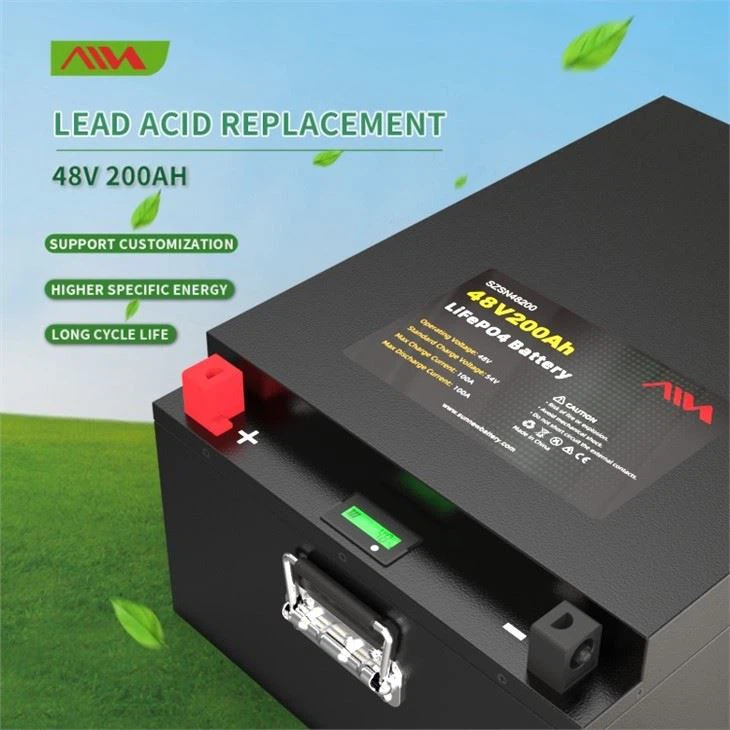
In summary, the charge current of a 48V battery depends on the battery chemistry, its state of health, and the charger being used. Lead - acid batteries typically need a lower charge current, while LiFePO4 batteries can handle higher ones. By choosing the right charge current, you can ensure that your battery charges quickly and lasts a long time.
If you're in the market for a 48V battery or have any questions about charge current or our products, don't hesitate to reach out. We're here to help you make the best choice for your power needs. Whether you're using the battery for an electric vehicle, a solar power system, or any other application, we've got the right 48V battery for you.
References:
- Battery University: A comprehensive resource on battery technology and charging methods.
- Manufacturer datasheets for 48V batteries.