


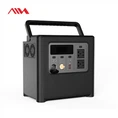
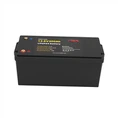

As a supplier of cabinet batteries, I often encounter inquiries about the self - discharge rate of these essential energy storage solutions. Understanding the self - discharge rate is crucial for customers looking to make informed decisions about their energy storage needs. In this blog, we'll delve into what the self - discharge rate of a cabinet battery is, why it matters, and how it impacts the performance of our products.
What is the Self - Discharge Rate?
The self - discharge rate of a battery refers to the rate at which a battery loses its charge when it is not in use. Even when a battery is sitting idle, without any external load connected, chemical reactions within the battery continue to occur. These reactions gradually deplete the stored energy, causing the battery's state of charge (SOC) to decrease over time.
The self - discharge rate is typically expressed as a percentage of the battery's capacity per unit of time, usually per month. For example, if a cabinet battery has a self - discharge rate of 2% per month and its rated capacity is 100Ah, it will lose approximately 2Ah of charge every month when left unused.
Factors Affecting the Self - Discharge Rate
Several factors can influence the self - discharge rate of a cabinet battery:
1. Battery Chemistry
Different battery chemistries have varying self - discharge rates. For instance, lead - acid batteries generally have a relatively high self - discharge rate, often ranging from 3% to 20% per month. This is due to the chemical nature of lead - acid reactions, which are more prone to self - discharge. On the other hand, lithium - ion batteries, such as the LiFePO4 (lithium iron phosphate) batteries we offer, have a much lower self - discharge rate, typically around 1% to 3% per month. The Stacked Solar Energy Storage Battery 48v 100ah Server Rack Battery 5kwh Cabinet Energy Storage Lifepo4 Battery is a prime example of a LiFePO4 - based cabinet battery with a low self - discharge rate, making it an excellent choice for long - term energy storage.
2. Temperature
Temperature plays a significant role in the self - discharge rate. Higher temperatures accelerate the chemical reactions within the battery, leading to an increased self - discharge rate. Conversely, lower temperatures slow down these reactions, reducing the self - discharge rate. For example, if a cabinet battery is stored in a hot environment, say above 30°C, its self - discharge rate can be significantly higher compared to when it is stored in a cooler environment, around 20°C.
3. Battery Age and State of Health
As a battery ages, its internal components degrade, which can increase the self - discharge rate. A battery that has been cycled many times or has been exposed to harsh operating conditions may have a higher self - discharge rate than a new battery. Additionally, a battery with a poor state of health, perhaps due to overcharging, over - discharging, or physical damage, will also experience an elevated self - discharge rate.
Why Does the Self - Discharge Rate Matter?
The self - discharge rate has several implications for the performance and usability of cabinet batteries:
1. Long - Term Storage
For customers who need to store cabinet batteries for an extended period, such as in emergency backup systems or seasonal energy storage applications, a low self - discharge rate is essential. A battery with a high self - discharge rate will lose its charge quickly during storage, requiring frequent recharging to maintain its readiness. This not only consumes additional energy but also adds to the maintenance cost.
2. System Efficiency
In energy storage systems, the self - discharge rate affects the overall efficiency of the system. A battery that self - discharges at a high rate will waste energy, reducing the amount of usable energy available for the load. This can lead to higher energy costs and a less reliable energy supply.
3. Application Suitability
The self - discharge rate can determine the suitability of a cabinet battery for a particular application. For applications where the battery may be idle for long periods between uses, such as in remote monitoring stations or solar power systems with intermittent sunlight, a battery with a low self - discharge rate is preferred.


Measuring the Self - Discharge Rate
Measuring the self - discharge rate of a cabinet battery requires careful experimentation. First, the battery is fully charged to its rated capacity. Then, it is disconnected from the charging source and stored in a controlled environment at a constant temperature. The battery's state of charge is measured at regular intervals, typically once a month. The difference in the state of charge over time is used to calculate the self - discharge rate.
Our Cabinet Battery Offerings and Self - Discharge Rates
At our company, we offer a range of cabinet batteries with different specifications to meet the diverse needs of our customers. Our Rack Mounted 51.2v 6144wh Solar Home Energy Storage Battery Cabinet Type Solar Energy Storage Battery and Sunnew 48V 50Ah Lithium Ion Energy Storage Battery Pack are designed with advanced lithium - ion technology, which ensures a low self - discharge rate. This means that our customers can rely on these batteries to retain their charge for longer periods, reducing the need for frequent recharging and maintenance.
Conclusion
In conclusion, the self - discharge rate is a critical parameter to consider when choosing a cabinet battery. It affects the long - term performance, efficiency, and suitability of the battery for various applications. As a cabinet battery supplier, we are committed to providing our customers with high - quality batteries that have low self - discharge rates. Our lithium - ion based cabinet batteries, such as the ones mentioned above, offer excellent performance in terms of self - discharge and overall energy storage capabilities.
If you are in the market for cabinet batteries and want to learn more about our products or discuss your specific energy storage needs, we encourage you to reach out to us. Our team of experts is ready to assist you in finding the perfect battery solution for your application. Contact us today to start the procurement and negotiation process.
References
- Linden, D., & Reddy, T. B. (2002). Handbook of Batteries. McGraw - Hill.
- Gregory, T. (2017). Battery Technology Handbook. Elsevier.