


As a seasoned supplier of AGM GEL batteries, I'm often asked about the charge retention of these remarkable power storage solutions. Charge retention is a critical aspect of any battery's performance, as it determines how long a battery can hold its charge when not in use. In this blog post, I'll delve into the intricacies of charge retention in AGM GEL batteries, exploring the factors that influence it and how it compares to other battery types.
Understanding AGM GEL Batteries
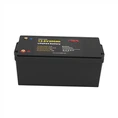
Before we dive into charge retention, let's briefly review what AGM GEL batteries are. AGM (Absorbent Glass Mat) and GEL batteries are both types of valve-regulated lead-acid (VRLA) batteries. They are sealed, maintenance-free, and designed to be spill-proof, making them ideal for a wide range of applications, from automotive and marine use to renewable energy storage systems.
AGM batteries use a fiberglass mat to absorb and hold the electrolyte, while GEL batteries use a silica-based gel to immobilize the electrolyte. Both designs offer several advantages over traditional flooded lead-acid batteries, including better vibration resistance, longer service life, and the ability to be mounted in any position.


What is Charge Retention?
Charge retention refers to a battery's ability to maintain its charge over time when it is not being used. It is typically expressed as a percentage of the initial charge remaining after a certain period. For example, if a battery has a charge retention rate of 90% after one month, it means that after sitting idle for a month, it will still have 90% of the charge it had when it was fully charged.
Charge retention is an important consideration for any battery application, especially those where the battery may be stored for long periods between uses. A battery with poor charge retention will lose its charge quickly, requiring frequent recharging and potentially reducing its overall lifespan.
Factors Affecting Charge Retention in AGM GEL Batteries
Several factors can influence the charge retention of AGM GEL batteries. Understanding these factors can help you choose the right battery for your application and take steps to maximize its charge retention.
Temperature
Temperature is one of the most significant factors affecting charge retention in AGM GEL batteries. High temperatures can accelerate the self-discharge rate of the battery, causing it to lose its charge more quickly. Conversely, low temperatures can slow down the chemical reactions inside the battery, reducing the self-discharge rate and improving charge retention.
It is recommended to store AGM GEL batteries in a cool, dry place to minimize the effects of temperature on charge retention. If the battery will be exposed to extreme temperatures, it may be necessary to take additional precautions, such as using a battery heater or insulator.
State of Charge
The state of charge (SOC) of a battery when it is stored also affects its charge retention. Batteries that are stored at a high state of charge tend to have better charge retention than those stored at a low state of charge. This is because the chemical reactions that cause self-discharge are more likely to occur when the battery is in a low state of charge.
To maximize charge retention, it is recommended to store AGM GEL batteries at a state of charge of at least 50%. If the battery will be stored for an extended period, it may be necessary to periodically recharge it to maintain its state of charge.
Battery Age and Condition
As batteries age, their charge retention capabilities tend to decline. This is due to a variety of factors, including the gradual degradation of the battery's internal components and the accumulation of sulfation on the battery plates. Sulfation is a process in which lead sulfate crystals form on the battery plates, reducing the battery's capacity and increasing its self-discharge rate.
Regular maintenance and proper charging practices can help extend the life of an AGM GEL battery and maintain its charge retention capabilities. This includes using a charger specifically designed for AGM GEL batteries, avoiding overcharging and deep discharging, and periodically checking the battery's state of charge.
Self-Discharge Rate
The self-discharge rate is a measure of how quickly a battery loses its charge when it is not in use. Different battery chemistries have different self-discharge rates, and AGM GEL batteries typically have a lower self-discharge rate than traditional flooded lead-acid batteries. However, the self-discharge rate can still vary depending on the specific battery model and manufacturer.
When choosing an AGM GEL battery, it is important to consider the self-discharge rate and look for a battery with a low self-discharge rate to ensure good charge retention.
Comparing Charge Retention of AGM GEL Batteries to Other Battery Types
AGM GEL batteries generally offer better charge retention than traditional flooded lead-acid batteries. This is due in part to their sealed design, which reduces the rate of electrolyte evaporation and oxidation, and their lower self-discharge rate.
Compared to lithium-ion batteries, such as the Lifepo4 BMS Lithium Battery Pack 12v 50ah, 12V 300ah Lifepo4 Bms Inside Power System, and Fast Delivery LiFePO4 BMS Lithium Battery Pack 12V 200Ah Lithium Ion Battery, AGM GEL batteries have a higher self-discharge rate and therefore may not have as good charge retention over long periods. However, AGM GEL batteries are often more affordable and better suited for applications where high energy density is not required.
Tips for Maximizing Charge Retention in AGM GEL Batteries
To get the most out of your AGM GEL battery and maximize its charge retention, follow these tips:
- Store the battery in a cool, dry place: As mentioned earlier, temperature can have a significant impact on charge retention. By storing the battery in a cool, dry place, you can minimize the effects of temperature on the battery's self-discharge rate.
- Maintain the battery at a high state of charge: Storing the battery at a state of charge of at least 50% can help reduce the rate of self-discharge and improve charge retention. If the battery will be stored for an extended period, consider using a battery maintainer or trickle charger to keep it charged.
- Use a quality charger: Using a charger specifically designed for AGM GEL batteries can help ensure that the battery is charged correctly and avoid overcharging or undercharging, which can both affect charge retention.
- Avoid deep discharging: Deep discharging a battery can cause damage to the battery plates and reduce its overall lifespan. Try to avoid discharging the battery below 50% of its capacity whenever possible.
- Perform regular maintenance: Although AGM GEL batteries are maintenance-free, it is still a good idea to periodically check the battery's state of charge and inspect it for any signs of damage or wear.
Conclusion
Charge retention is an important consideration when choosing a battery for your application. AGM GEL batteries offer good charge retention compared to traditional flooded lead-acid batteries, but their performance can still be affected by factors such as temperature, state of charge, battery age, and self-discharge rate.
By understanding the factors that affect charge retention and taking steps to maximize it, you can ensure that your AGM GEL battery performs at its best and provides reliable power for your needs. Whether you're using the battery in an automotive, marine, or renewable energy application, proper care and maintenance will help extend its lifespan and keep it operating efficiently.
If you're in the market for an AGM GEL battery or have any questions about charge retention or battery performance, please don't hesitate to contact us. Our team of experts is here to help you choose the right battery for your application and provide you with the support and guidance you need.
References
- "Valve-Regulated Lead-Acid Batteries: Technology, Performance, and Applications" by David Linden and Thomas B. Reddy
- "Battery University: Understanding Self-Discharge" by Isidor Buchmann