


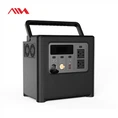
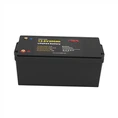
A cabinet battery, a critical component in various energy storage applications, has a complex chemical composition that determines its performance, safety, and lifespan. As a cabinet battery supplier, I am well - versed in the intricacies of these chemical compositions and their implications. In this blog, I will delve into the chemical makeup of cabinet batteries, exploring the key elements and compounds that make them function effectively.
The Basics of Cabinet Batteries
Cabinet batteries are designed to store electrical energy for later use. They are commonly used in solar energy storage systems, backup power supplies, and data centers. The most popular type of cabinet battery today is the lithium - ion battery, which offers high energy density, long cycle life, and relatively low self - discharge rates.


Chemical Composition of Lithium - Ion Cabinet Batteries
Cathode Materials
The cathode is one of the most important components of a lithium - ion battery. It is the source of lithium ions during the charging process. Different cathode materials can significantly affect the battery's performance.
- Lithium Cobalt Oxide (LiCoO₂): This was one of the first cathode materials used in lithium - ion batteries. It has a high energy density, which means it can store a large amount of energy in a relatively small volume. However, it has some drawbacks. Cobalt is a relatively expensive and scarce material, and LiCoO₂ batteries can be less stable, especially at high temperatures. For applications where cost is not the primary concern and high energy density is required, LiCoO₂ can be a good choice.
- Lithium Manganese Oxide (LiMn₂O₄): Also known as spinel manganese oxide, LiMn₂O₄ offers several advantages. It is more abundant and less expensive than cobalt. It has a relatively high power density, which means it can deliver a large amount of current quickly. However, its energy density is lower than that of LiCoO₂. LiMn₂O₄ batteries are often used in applications that require high - power output, such as power tools.
- Lithium Iron Phosphate (LiFePO₄): This cathode material has gained significant popularity in recent years. It is known for its excellent safety, long cycle life, and environmental friendliness. LiFePO₄ has a lower energy density compared to LiCoO₂, but it can withstand more charge - discharge cycles without significant degradation. It is commonly used in solar energy storage systems, such as the Sunnew 51.2v Solar Battery 5kwh 100ah Lifepo4 Battery Cabinet Server Rack Mount Lithium Ion Phosphate Battery.
Anode Materials
The anode is where lithium ions are stored during the charging process.
- Graphite: Graphite is the most commonly used anode material in lithium - ion batteries. It has a layered structure that can easily intercalate lithium ions. Graphite is relatively inexpensive, abundant, and has good electrical conductivity. However, it has a limited capacity for storing lithium ions.
- Lithium Titanate (Li₄Ti₅O₁₂): This anode material offers several advantages over graphite. It has a longer cycle life, better safety, and can charge and discharge at a faster rate. However, it has a lower energy density. Li₄Ti₅O₁₂ is often used in applications where fast charging and long - term reliability are crucial, such as electric buses.
Electrolyte
The electrolyte is a medium that allows the flow of lithium ions between the cathode and the anode. It is usually a lithium salt dissolved in an organic solvent.
- Lithium Salts: Common lithium salts used in lithium - ion batteries include lithium hexafluorophosphate (LiPF₆), lithium perchlorate (LiClO₄), and lithium tetrafluoroborate (LiBF₄). LiPF₆ is the most widely used because it offers good ionic conductivity and stability.
- Organic Solvents: Organic solvents such as ethylene carbonate (EC), dimethyl carbonate (DMC), and ethyl methyl carbonate (EMC) are used to dissolve the lithium salts. These solvents have different properties, such as viscosity and dielectric constant, which can affect the performance of the battery. The choice of solvent mixture is carefully optimized to achieve the best balance of ionic conductivity, stability, and safety.
Separator
The separator is a thin, porous membrane that separates the cathode and the anode. It prevents short - circuits while allowing the passage of lithium ions. Polyolefin materials, such as polyethylene (PE) and polypropylene (PP), are commonly used as separators. They have good chemical stability, mechanical strength, and porosity.
Other Types of Cabinet Batteries and Their Chemical Compositions
Lead - Acid Batteries
Although lithium - ion batteries are becoming more popular, lead - acid batteries are still widely used in some applications, especially in backup power systems.
- Positive Plate: The positive plate in a lead - acid battery is made of lead dioxide (PbO₂).
- Negative Plate: The negative plate is made of sponge lead (Pb).
- Electrolyte: The electrolyte is a solution of sulfuric acid (H₂SO₄) in water. During the charging process, lead sulfate (PbSO₄) is formed on both plates, and during the discharging process, the lead sulfate is converted back to lead dioxide and sponge lead. Lead - acid batteries have a relatively low energy density compared to lithium - ion batteries, but they are inexpensive and well - understood technology.
Impact of Chemical Composition on Battery Performance
The chemical composition of a cabinet battery has a profound impact on its performance.
- Energy Density: As mentioned earlier, different cathode and anode materials have different energy densities. A battery with a high - energy - density cathode material like LiCoO₂ can store more energy in a given volume, which is beneficial for applications where space is limited.
- Cycle Life: The choice of cathode and anode materials also affects the cycle life of the battery. For example, LiFePO₄ batteries can typically withstand more charge - discharge cycles compared to LiCoO₂ batteries, making them more suitable for long - term energy storage applications.
- Safety: The chemical stability of the battery components is crucial for safety. For instance, LiFePO₄ batteries are generally safer than LiCoO₂ batteries because they are less likely to overheat and catch fire.
- Cost: The cost of the raw materials used in the battery, such as cobalt in LiCoO₂ or lead in lead - acid batteries, can significantly affect the overall cost of the battery. This is an important consideration for large - scale energy storage projects.
Applications of Cabinet Batteries Based on Chemical Composition
- Solar Energy Storage: For solar energy storage systems, LiFePO₄ cabinet batteries are a popular choice. Their long cycle life and safety make them well - suited for storing energy generated by solar panels over a long period. For example, the Solar Energy Storage System 48V 50Ah Battery LifePO4 Cabinet Type Lithium Ion Battery is designed to provide reliable energy storage for solar power applications.
- Data Centers: Data centers require reliable backup power to ensure uninterrupted operation. Lithium - ion cabinet batteries with high energy density and fast - charging capabilities are often used. The Rack Mounted 51.2v 6144wh Solar Home Energy Storage Battery Cabinet Type Solar Energy Storage Battery can be a good option for data centers due to its high - power and long - lasting performance.
Conclusion
Understanding the chemical composition of cabinet batteries is essential for selecting the right battery for a specific application. As a cabinet battery supplier, I can help customers choose the most suitable battery based on their requirements, whether it is high energy density, long cycle life, or cost - effectiveness. If you are interested in learning more about our cabinet batteries or have specific energy storage needs, I encourage you to reach out for a detailed discussion and procurement negotiation.
References
- Arumugam Manthiram, "Advances in Lithium - Ion Batteries", Chemical Reviews, 2017.
- John B. Goodenough, "History, Evolution, and Future of Lithium - Ion Batteries", Journal of the Electrochemical Society, 2019.
- David Linden, "Handbook of Batteries", McGraw - Hill, 2011.