


Choosing the right size camping system can be a real head - scratcher. As a camping system supplier, I've seen a ton of folks struggle with this decision. It's not just about grabbing any old set - up and hoping for the best. There are several factors you need to think about to make sure you're getting the most out of your camping experience.
Understanding Your Power Needs
First off, let's talk about power. This is probably the most crucial aspect when it comes to sizing your camping system. You need to figure out what devices you'll be using and how much power they consume.
Small - Scale Camping
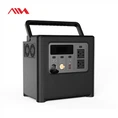
If you're a minimalist camper, you might only need to charge your phone, run a small LED light, and maybe power a portable fan. For this kind of small - scale camping, a compact power source can do the trick. Take a look at the Sunnew 1229Wh Big Capacity Multi - function Emergency Power Supply Quick Charge Solar Charging 1000W Portable Power Station. It's got enough juice to keep your essential devices running for a couple of days. It's also relatively lightweight and easy to carry around, which is great if you're hiking to your campsite.
Medium - Sized Camping Setups
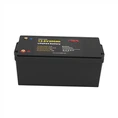
Now, if you're going on a family camping trip or a weekend getaway with friends, your power needs are going to be a bit higher. You might have multiple phones, tablets, a small fridge to keep your drinks cold, and perhaps a coffee maker. In this case, you'll need a more substantial power station. The Sunnew 2304Wh High Capacity Lithium Iron Battery Accessories Solar Charging 800W Quick Charge Portable Power Station is a solid choice. With its high capacity, it can handle multiple devices simultaneously and provide power for an extended period.
Large - Scale Camping or RVing
For those who are really going all out, like long - term RVers or people hosting large camping events, you're going to need a heavy - duty power solution. A 600W Portable Generator For Outdoor Camping might be the way to go. It can power larger appliances such as air conditioners, microwave ovens, and power - hungry tools. It's a reliable option when you've got a lot of power - consuming devices to keep running.
Considering the Duration of Your Trip
Another important factor is how long you'll be camping. If it's just a one - night trip, you can get away with a smaller power supply. But for longer trips, say a week or more, you'll definitely need to have a larger capacity system to ensure you don't run out of power.
Let's say you're planning a three - day camping trip. If you're using the small - scale setup I mentioned earlier, you might need to recharge your power station during the trip. You can do this using solar panels if you have them, or by connecting to a power source at a campground. But if you've got a larger power station or generator, you'll have more peace of mind knowing that you've got enough power to last the entire trip without constantly worrying about recharging.
Space and Portability
Space and portability are also key considerations. If you're backpacking, you'll want a camping system that's lightweight and compact. You don't want to be lugging around a huge, heavy generator or power station. On the other hand, if you're traveling in an RV, you've got more space to work with, so you can afford to have a larger and more powerful system.
The size of your vehicle also matters. If you're using a small car, you might not have enough room for a large generator. In this case, a portable power station might be a better option. It can fit easily in the trunk and doesn't take up too much space.
Budget Constraints
Let's face it, budget plays a big role in our purchasing decisions. Camping systems can vary widely in price, from relatively inexpensive portable power banks to high - end generators. You need to find a balance between your power needs and your budget.
If you're on a tight budget, you might have to compromise on some features. For example, you might choose a smaller power station with a lower capacity. But don't worry, there are still plenty of affordable options out there that can meet your basic needs. And as a camping system supplier, I can help you find the best deal that fits your budget.


Other Factors to Consider
- Weather Conditions: If you're camping in an area with a lot of sunlight, solar - powered charging can be a great option. But if it's going to be cloudy or rainy, you might rely more on a generator or a pre - charged power station.
- Noise Level: Generators can be noisy, which might not be ideal if you're looking for a peaceful camping experience. Portable power stations are generally much quieter.
In conclusion, choosing the right size camping system depends on a variety of factors, including your power needs, the duration of your trip, space and portability, budget, and other considerations like weather and noise. As a camping system supplier, I've got a wide range of products to suit different needs and budgets. Whether you're a solo backpacker or a large - scale event organizer, I can help you find the perfect camping system for your next adventure.
If you're interested in learning more about our camping systems or want to discuss your specific requirements, don't hesitate to reach out. We're here to help you make the best decision and ensure you have a great camping experience.
References
- Camping World: "Choosing the Right Power Source for Your Camping Trip"
- Outdoor Gear Lab: "Portable Power Stations Review"
- REI Co - op Journal: "Powering Your Campsite"