



In today's digital age, the need for reliable power sources on the go has become increasingly crucial. Whether you're an outdoor enthusiast, a frequent traveler, or simply someone who wants to stay connected during power outages, having a portable power solution is a must. Two common options that often come up in discussions are portable chargers and backup batteries. While they might seem similar at first glance, there are significant differences between them. As a supplier of backup batteries, I'm here to shed some light on these differences and help you make an informed decision.
What is a Portable Charger?
A portable charger, also known as a power bank, is a compact and lightweight device designed to charge small electronic devices such as smartphones, tablets, smartwatches, and Bluetooth headphones. These chargers typically come with built - in rechargeable batteries and one or more USB ports.
The capacity of a portable charger is usually measured in milliampere - hours (mAh). For example, a typical portable charger might have a capacity of 10,000 mAh. This capacity determines how many times it can charge a particular device. For instance, if your smartphone has a battery capacity of 3000 mAh, a 10,000 mAh portable charger can theoretically charge it about three times, although in reality, due to energy conversion losses, it might charge it around 2 - 2.5 times.
Portable chargers are incredibly convenient for short - term power needs. They are small enough to fit in your pocket or purse, making them ideal for daily use when you're away from a power outlet for a few hours. You can charge your portable charger at home or in the office using a USB cable connected to a wall adapter or a computer, and then use it to charge your devices on the go.
What is a Backup Battery?
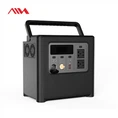
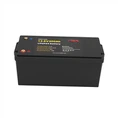
A backup battery, on the other hand, is a more powerful and versatile power source. Backup batteries are designed to provide power to a wider range of devices, including larger electronics such as laptops, mini - fridges, CPAP machines, and even power tools.
Backup batteries often have a much higher capacity than portable chargers, measured in watt - hours (Wh). For example, a high - end backup battery might have a capacity of 1000 Wh or more. This high capacity allows them to run power - hungry devices for an extended period.
Backup batteries can be recharged in multiple ways. Some can be charged using a standard AC wall outlet, while others are equipped with solar panels for solar charging, making them suitable for off - grid situations. They usually come with a variety of output ports, including AC outlets, DC ports, and USB ports, enabling you to power different types of devices simultaneously.
Key Differences
Capacity and Power Output
As mentioned earlier, the most significant difference between a portable charger and a backup battery lies in their capacity and power output. Portable chargers are designed for low - power devices and have relatively small capacities. They can typically provide a few charges to a smartphone or other small electronics. In contrast, backup batteries have much larger capacities and higher power outputs, allowing them to run larger and more power - hungry devices.
For example, if you're going on a weekend camping trip and want to power a laptop to work remotely or a mini - fridge to keep your food cold, a portable charger won't be sufficient. You'll need a backup battery with enough capacity and power output to handle these devices. 1200W Portable Solar Generator 1228Wh Lithium Battery Portable Power Station is a great example of a high - capacity backup battery that can meet such demands.
Device Compatibility
Portable chargers are mainly compatible with small electronic devices that charge via USB. Most smartphones, tablets, and smartwatches can be charged using a portable charger. However, they cannot directly power devices that require AC power, such as laptops or small appliances.
Backup batteries, on the other hand, are more versatile in terms of device compatibility. With their multiple output ports, they can power a wide range of devices. The AC outlets on a backup battery can be used to plug in laptops, TVs, and other AC - powered devices. The DC ports can be used for devices like car refrigerators, and the USB ports can charge small electronics just like a portable charger. For outdoor camping, a 900W Portable Generator For Outdoor Camping can power various devices, from lighting to small power tools.
Size and Portability
Portable chargers are designed to be ultra - portable. They are small, lightweight, and easy to carry around. You can take them with you wherever you go, whether it's to work, school, or a short trip.
Backup batteries, however, are generally larger and heavier. While some are designed to be relatively portable with handles and wheels, they are not as easy to carry around as portable chargers. But their larger size is a trade - off for their higher capacity and power output. If you need to power multiple devices for an extended period, the extra size and weight of a backup battery are worth it.
Charging Methods
Portable chargers are usually charged using a USB cable connected to a wall adapter or a computer. This is a simple and straightforward charging method that can be done almost anywhere with access to a power source.
Backup batteries offer more charging options. In addition to AC charging, many backup batteries can be charged using solar panels. Solar charging is a great feature for outdoor enthusiasts and those in off - grid situations. It allows you to recharge your backup battery using renewable energy, reducing your reliance on the grid. For example, the 1000W Solar Portable Power Station can be charged via solar panels, providing a sustainable power solution.
When to Choose a Portable Charger or a Backup Battery
If you only need to charge your smartphone, tablet, or other small electronic devices for a short period, a portable charger is the way to go. It's convenient, easy to carry, and can meet your basic power needs on a daily basis.
However, if you're going on a long - term trip, camping, or dealing with a power outage at home, a backup battery is essential. It can power a variety of devices, including larger electronics, and provide power for an extended period. Backup batteries are also a great investment for those who live in areas prone to power outages or for those who work in off - grid locations.
Conclusion
In conclusion, while both portable chargers and backup batteries are designed to provide power on the go, they serve different purposes. Portable chargers are ideal for short - term, low - power needs, while backup batteries are better suited for long - term, high - power requirements.
As a backup battery supplier, I understand the importance of having a reliable power source. Our range of backup batteries offers high - quality, high - capacity solutions to meet your diverse power needs. Whether you're an outdoor adventurer, a remote worker, or simply looking for a backup power solution for your home, we have the right product for you.


If you're interested in learning more about our backup batteries or have any questions regarding your power needs, we encourage you to contact us for a procurement discussion. We'll be happy to help you find the perfect backup battery solution for your specific requirements.
References
- "Portable Power Banks: A Comprehensive Guide." Electronics Today Magazine, 2022.
- "Backup Batteries for Home and Outdoor Use." Power Solutions Journal, 2023.