



The discharge rate of a 24V battery is a crucial factor that determines its performance and suitability for various applications. As a reliable 24V battery supplier, I understand the significance of this parameter and its impact on the overall functionality of battery-powered devices. In this blog, we will delve into the concept of the discharge rate, how it is measured, and its implications for different types of 24V batteries.
Understanding the Discharge Rate
The discharge rate of a battery refers to the speed at which it releases its stored energy. It is typically expressed in terms of a C-rate, which is a measure of the current drawn from the battery relative to its rated capacity. For example, a 1C discharge rate means that the battery is being discharged at a current equal to its rated capacity. If a 24V battery has a capacity of 100Ah (ampere-hours), a 1C discharge rate would be 100A.

The C-rate is an important metric because it affects the battery's performance and lifespan. Higher discharge rates can lead to increased heat generation, reduced efficiency, and a shorter overall lifespan. On the other hand, lower discharge rates generally result in better performance and longer battery life.
Measuring the Discharge Rate
The discharge rate of a battery can be measured using a battery charger or a specialized battery tester. These devices allow you to monitor the current flowing out of the battery and calculate the C-rate based on the battery's rated capacity.
When measuring the discharge rate, it is important to consider the temperature and the state of charge (SOC) of the battery. Temperature can have a significant impact on the battery's performance, and the discharge rate may vary depending on whether the battery is fully charged, partially charged, or nearly depleted.
Factors Affecting the Discharge Rate
Several factors can affect the discharge rate of a 24V battery, including:
- Battery Chemistry: Different battery chemistries have different discharge characteristics. For example, lithium-ion batteries generally have a higher discharge rate compared to lead-acid batteries.
- Battery Capacity: Batteries with higher capacities can typically handle higher discharge rates. A larger battery can store more energy and release it at a faster rate without overheating or experiencing excessive voltage drop.
- Temperature: As mentioned earlier, temperature can have a significant impact on the battery's performance. Higher temperatures can increase the battery's internal resistance, which can reduce the discharge rate and efficiency.
- Load Requirements: The discharge rate of a battery is also influenced by the load requirements of the device it is powering. Devices that require a high current draw, such as electric vehicles or power tools, will typically require a battery with a higher discharge rate.
Applications and Discharge Rate Requirements
The discharge rate requirements for a 24V battery depend on the specific application. Here are some common applications and their typical discharge rate requirements:
- Sweeper Robot: Sweeper robots require a battery that can provide a relatively high discharge rate to power the motor and other components. A Sweeper Robot 24V 100ah Lifepo4 Battery is a popular choice for sweeper robots due to its high energy density and ability to handle high discharge rates.
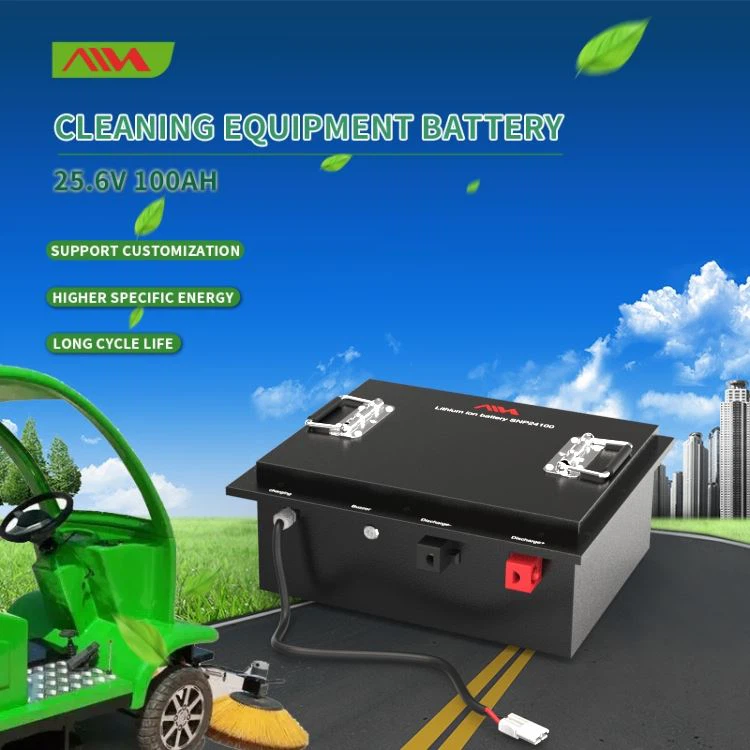
- Cleaning Equipment: Cleaning equipment, such as floor scrubbers and vacuum cleaners, also require a battery with a high discharge rate. A Cleaning Equipment Battery Pack 24V 50ah can provide the necessary power to operate these devices efficiently.
- Golf Cart: Golf carts require a battery that can provide a high discharge rate for extended periods of time. A Golf Cart EV Battery 24V 100Ah Rechargeable Deep Cycle Lithium Iron Phosphate LiFePO4 Batteries is a suitable option for golf carts due to its deep cycle capabilities and ability to handle high discharge rates.
Choosing the Right Discharge Rate for Your Application
When choosing a 24V battery for your application, it is important to consider the discharge rate requirements. Here are some tips to help you choose the right battery:
- Determine the Load Requirements: Calculate the maximum current draw of the device you are powering to determine the required discharge rate. Make sure to consider any peak loads or transient currents that may occur during operation.
- Consider the Battery Chemistry: Different battery chemistries have different discharge characteristics. Choose a battery chemistry that is suitable for your application and can handle the required discharge rate.
- Check the Battery Specifications: Look for batteries that have a high discharge rate rating and are designed for your specific application. Pay attention to the manufacturer's specifications and recommendations.
- Consult with a Professional: If you are unsure which battery is right for your application, consult with a professional battery supplier or engineer. They can provide you with expert advice and help you choose the best battery for your needs.
Conclusion
The discharge rate of a 24V battery is an important factor that affects its performance and suitability for various applications. By understanding the concept of the discharge rate, how it is measured, and the factors that affect it, you can choose the right battery for your needs. As a 24V battery supplier, we offer a wide range of batteries with different discharge rates and chemistries to meet the needs of our customers. If you have any questions or need assistance in choosing the right battery for your application, please feel free to contact us for a consultation. We look forward to helping you find the perfect battery solution for your project.
References
- Linden, D., & Reddy, T. B. (2002). Handbook of Batteries (3rd ed.). McGraw-Hill.
- Dunn, B., Kamath, H., & Tarascon, J. M. (2011). Electrical energy storage for the grid: A battery of choices. Science, 334(6058), 928-935.
- Arora, P., & Zhang, J. (2004). Recent developments in negative electrodes for lithium ion batteries. Chemical Reviews, 104(10), 4419-4462.