



Hey there! As a backup battery supplier, I've seen my fair share of issues that customers run into, and one of the most common ones is using the wrong charger for their backup batteries. It might seem like a small mistake, but it can have some pretty serious impacts. Let's dive into what can happen when you charge a backup battery with a wrong charger.
1. Overheating
One of the first things that can occur when you use an incorrect charger is overheating. Chargers are designed to deliver a specific amount of voltage and current to the battery. If the charger supplies too much voltage or current, the battery will start to heat up. This is because the excess energy has to go somewhere, and it often turns into heat.
For example, if you have a backup battery that's rated for a 5-volt input and you use a charger that outputs 9 volts, the battery will receive more energy than it can handle. This extra energy causes the chemical reactions inside the battery to speed up, generating heat. Overheating can damage the battery's internal components, such as the electrodes and the electrolyte. It can also lead to a reduction in the battery's overall capacity over time.
Let me tell you, overheating is not something you want to mess around with. It can not only shorten the lifespan of your backup battery but also pose a safety risk. In extreme cases, an overheated battery can even catch fire or explode. So, always make sure you're using the right charger for your backup battery.
2. Reduced Battery Lifespan
Using the wrong charger can significantly reduce the lifespan of your backup battery. Batteries have a limited number of charge and discharge cycles, and using an incorrect charger can accelerate the wear and tear on the battery.
When a battery is charged with a charger that doesn't match its specifications, it can cause uneven charging. Some parts of the battery may receive more charge than others, leading to what's called "cell imbalance." This imbalance can cause some cells to degrade faster than others, reducing the overall capacity of the battery.
For instance, if you use a charger that charges the battery too quickly, it can cause the battery to experience a phenomenon called "thermal runaway." This is when the battery's temperature rises uncontrollably, further damaging the battery. Over time, these issues can add up, and your backup battery may not last as long as it should. If you're relying on your backup battery to power your devices during an outage or for outdoor activities, a reduced lifespan can be a real headache.
3. Incomplete Charging
Another problem that can occur when you use the wrong charger is incomplete charging. A charger that doesn't provide the right voltage or current may not be able to fully charge the battery. This means that your backup battery may not reach its maximum capacity, and you won't get as much power out of it as you should.
Let's say you have a high-capacity backup battery that requires a certain amount of current to charge fully. If you use a charger that provides too little current, the battery will take a long time to charge, and it may never reach its full capacity. This can be especially frustrating if you're in a hurry and need your backup battery to be fully charged for an upcoming trip or an emergency.
Incomplete charging can also lead to a phenomenon called "memory effect," which is more common in older battery technologies. The memory effect causes the battery to "remember" the partial charge levels and reduces its overall capacity over time. So, even if you later use the correct charger, the battery may not perform as well as it should.
4. Safety Hazards
Using the wrong charger for your backup battery can pose some serious safety hazards. As I mentioned earlier, overheating can lead to a fire or explosion, which is obviously extremely dangerous. In addition to this, an incorrect charger can also cause electrical shorts or other electrical issues.
If the charger has a different voltage or polarity than the battery, it can cause a short circuit. A short circuit occurs when there is an unintended connection between two points in an electrical circuit, which can cause a large amount of current to flow through the battery. This can damage the battery and the charger, and it can also pose a risk of electric shock.
Safety should always be your top priority when it comes to using backup batteries. Make sure you read the manufacturer's instructions carefully and use the correct charger for your battery. If you're not sure which charger to use, don't hesitate to contact the manufacturer or a professional.
5. Compatibility Issues
Using the wrong charger can also lead to compatibility issues between the charger and the battery. Chargers are designed to work with specific types of batteries, and using an incompatible charger can cause all sorts of problems.
For example, different battery chemistries, such as lithium-ion, lead-acid, and nickel-metal hydride, require different charging methods. A charger that's designed for a lithium-ion battery may not work properly with a lead-acid battery. It may not be able to provide the right voltage or current, or it may not have the right charging algorithm.
Compatibility issues can also arise if the charger's connector doesn't fit properly into the battery. This can cause a poor connection, which can lead to incomplete charging or even damage to the battery or the charger. So, always make sure you're using a charger that's compatible with your backup battery.
How to Avoid These Issues
Now that you know the potential impacts of using the wrong charger for your backup battery, you're probably wondering how to avoid these issues. Well, the first and most important thing is to always use the charger that came with your backup battery. The manufacturer designs the charger specifically for that battery, so it's guaranteed to be the right fit.


If you need to replace your charger, make sure you buy a charger that has the same specifications as the original charger. Check the voltage, current, and charging method to ensure compatibility. You can usually find this information in the battery's user manual or on the manufacturer's website.
Also, be careful when buying chargers from third-party sellers. Make sure you're buying from a reputable source, and read reviews from other customers to make sure the charger is of good quality.
Our Backup Battery Solutions
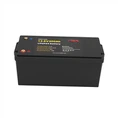
At our company, we understand the importance of using the right charger for your backup battery. That's why we offer a wide range of high-quality backup batteries and chargers that are designed to work together seamlessly. Whether you're looking for a backup battery for your home, office, or outdoor activities, we've got you covered.
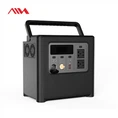
We also have some great portable power stations that can be a great alternative to traditional backup batteries. Check out our 600W Portable Generator For Outdoor Camping, 500W Portable Generator For Outdoor Camping, and SNE1000W Portable Power Station. These power stations are powerful, reliable, and easy to use, making them perfect for camping, tailgating, or as a backup power source during an outage.
If you're interested in our backup battery products or have any questions, we'd love to hear from you. Just reach out to us, and we'll be happy to help you find the right solution for your needs. Whether you're a small business owner looking for a reliable backup power source or an outdoor enthusiast in need of a portable battery, we're here to assist you. Let's start a conversation and see how we can work together to meet your power requirements.
References
- Battery University: A comprehensive resource for battery knowledge and information.
- Manufacturer's manuals for backup batteries and chargers.