


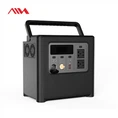
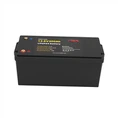

As a trusted 24V battery supplier, I've witnessed firsthand the critical role that low-temperature performance plays in the functionality and longevity of batteries. In this blog, I'll delve into the intricacies of 24V battery performance in cold conditions, exploring the factors at play, the implications for various applications, and how our products stand up to the challenge.
Understanding the Basics of Battery Performance in Low Temperatures
To comprehend the low-temperature performance of a 24V battery, it's essential to grasp the fundamental principles of battery operation. Batteries generate electricity through a chemical reaction between the electrodes and the electrolyte. This chemical process is highly temperature-dependent, with colder temperatures slowing down the reaction rate. As a result, the battery's ability to deliver power is significantly reduced in low-temperature environments.
One of the primary effects of cold temperatures on a 24V battery is an increase in internal resistance. The electrolyte, which facilitates the flow of ions between the electrodes, becomes more viscous in cold conditions, impeding the movement of ions and increasing resistance. This increased resistance leads to a drop in voltage and a decrease in the battery's capacity to deliver current.
Another consequence of low temperatures is a reduction in the battery's state of charge (SOC). The chemical reactions within the battery become less efficient in cold conditions, resulting in a slower charging process and a lower SOC. This means that the battery may not be able to hold a full charge, reducing its overall runtime and performance.
Factors Affecting the Low-Temperature Performance of 24V Batteries
Several factors can influence the low-temperature performance of 24V batteries, including the battery chemistry, design, and usage conditions.
Battery Chemistry
Different battery chemistries exhibit varying levels of performance in low temperatures. For example, lead-acid batteries are known for their poor low-temperature performance, as the chemical reactions within the battery are severely inhibited by cold temperatures. On the other hand, lithium-ion batteries, particularly lithium iron phosphate (LiFePO4) batteries, offer superior low-temperature performance due to their more stable chemical structure and lower internal resistance.
Battery Design
The design of the battery can also have a significant impact on its low-temperature performance. Batteries with a larger surface area and thinner electrodes tend to have better low-temperature performance, as they allow for more efficient heat transfer and faster ion movement. Additionally, batteries with a built-in heating system can help maintain optimal operating temperatures in cold conditions, improving performance and extending battery life.
Usage Conditions
The way a 24V battery is used can also affect its low-temperature performance. For example, frequent deep discharges and rapid charging can cause damage to the battery's electrodes and electrolyte, reducing its performance in cold conditions. Additionally, storing the battery in a cold environment for extended periods can lead to permanent damage and a decrease in capacity.
Implications for Various Applications
The low-temperature performance of 24V batteries has significant implications for a wide range of applications, including electric vehicles, renewable energy systems, and industrial equipment.
Electric Vehicles
In electric vehicles (EVs), the low-temperature performance of the battery can have a profound impact on the vehicle's range and performance. Cold temperatures can reduce the battery's capacity and increase its internal resistance, resulting in a shorter driving range and slower acceleration. Additionally, the battery's charging time may be extended in cold conditions, making it less convenient for EV owners.
Renewable Energy Systems
Renewable energy systems, such as solar and wind power, often rely on batteries to store excess energy for use during periods of low generation. In cold climates, the low-temperature performance of the batteries can limit the effectiveness of these systems, as the batteries may not be able to store and deliver energy efficiently. This can result in a decrease in the overall energy output of the system and an increase in the cost of energy storage.
Industrial Equipment
Industrial equipment, such as forklifts, pallet jacks, and cleaning machines, often operates in cold environments. The low-temperature performance of the batteries used in these applications is critical to their functionality and productivity. Cold temperatures can reduce the battery's capacity and runtime, resulting in more frequent charging and downtime. Additionally, the battery's ability to deliver high currents may be impaired in cold conditions, affecting the equipment's performance.
Our 24V Battery Solutions for Low-Temperature Environments
As a leading 24V battery supplier, we understand the importance of low-temperature performance in various applications. That's why we offer a range of high-quality 24V batteries that are specifically designed to perform well in cold conditions.
Our Sweeper Robot 24V 100ah Lifepo4 Battery is a perfect example of our commitment to providing reliable battery solutions for low-temperature environments. This battery features a lithium iron phosphate (LiFePO4) chemistry, which offers superior low-temperature performance compared to traditional lead-acid batteries. With a high energy density and a long cycle life, this battery is ideal for use in sweeper robots and other cleaning equipment.
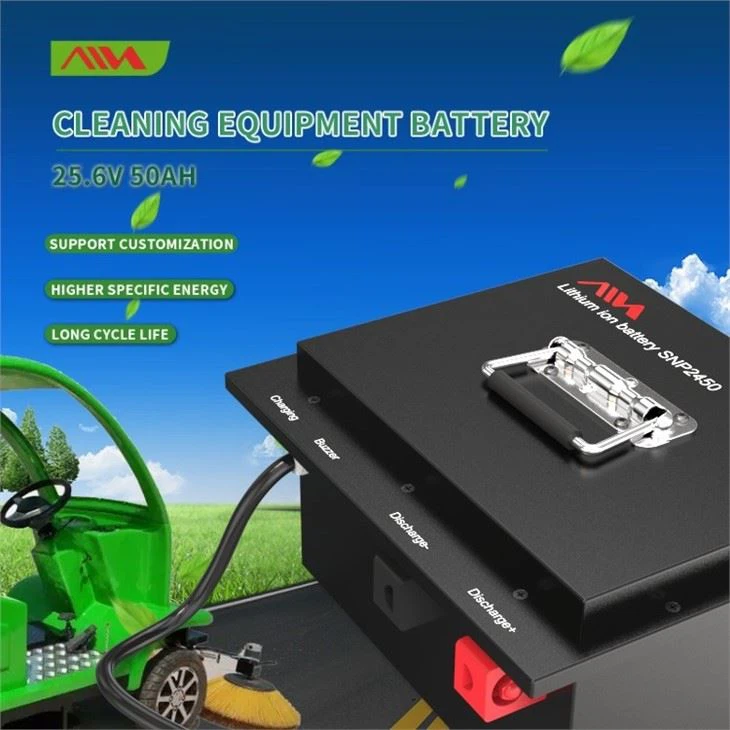
Another product in our lineup is the Cleaning Equipment Battery Pack 24V 50ah. This battery pack is designed to provide reliable power for cleaning equipment in cold environments. It features a compact and lightweight design, making it easy to install and use. Additionally, the battery pack is equipped with a built-in battery management system (BMS) that protects the battery from overcharging, over-discharging, and short-circuiting, ensuring its safety and longevity.

For golf cart owners, we offer the Golf Cart EV Battery 24V 100Ah Rechargeable Deep Cycle Lithium Iron Phosphate LiFePO4 Batteries. This battery is specifically designed for use in golf carts and other electric vehicles. It offers a high energy density and a long cycle life, providing reliable power for extended periods of time. Additionally, the battery is equipped with a built-in heating system that helps maintain optimal operating temperatures in cold conditions, improving performance and extending battery life.
Contact Us for Low-Temperature Battery Solutions
If you're looking for high-quality 24V batteries that offer superior low-temperature performance, look no further than our company. We have a team of experienced professionals who can help you choose the right battery for your specific application and provide you with the support and guidance you need to ensure its optimal performance.
Contact us today to learn more about our 24V battery solutions and how we can help you meet your power needs in low-temperature environments. We look forward to working with you!
References
- Linden, D., & Reddy, T. B. (2002). Handbook of batteries. McGraw-Hill.
- Tarascon, J.-M., & Armand, M. (2001). Issues and challenges facing rechargeable lithium batteries. Nature, 414(6861), 359-367.
- Winter, M., & Brodd, R. J. (2004). What are batteries, fuel cells, and supercapacitors? Chemical Reviews, 104(10), 4245-4269.