




As a forklift battery supplier, I often get asked about the charging efficiency of forklift battery chargers. It's a crucial topic that can significantly impact the performance, cost - effectiveness, and lifespan of forklift batteries. In this blog, I'll delve into the concept of charging efficiency, factors that affect it, and how it relates to our products.
Understanding Charging Efficiency
Charging efficiency refers to the ratio of the energy stored in the battery to the energy consumed from the power source during the charging process. It is typically expressed as a percentage. For example, if a charger has an efficiency of 80%, it means that 80% of the electrical energy drawn from the grid is actually stored in the battery, while the remaining 20% is lost as heat or other forms of energy dissipation.
A high - efficiency charger is desirable for several reasons. Firstly, it reduces energy consumption, which translates to lower electricity bills. In a large - scale warehouse operation with multiple forklifts, these savings can add up significantly over time. Secondly, less energy loss means less heat generation. Excessive heat can damage the battery cells and reduce the overall lifespan of the battery.
Factors Affecting Charging Efficiency
Battery Chemistry
Different battery chemistries have different charging characteristics. For instance, lead - acid batteries, which have been traditionally used in forklifts, have a relatively lower charging efficiency compared to lithium - ion batteries. Lead - acid batteries are known to lose a significant amount of energy as heat during the charging process, especially when they are being charged at a high rate.
On the other hand, lithium - ion batteries, such as 48V 100ah Lifepo4 Bms Inside Battery, generally have a higher charging efficiency. Lithium - ion chemistry allows for a more efficient transfer of energy, resulting in less energy waste.
Charger Design
The design of the charger plays a vital role in determining its efficiency. Modern chargers are equipped with advanced technologies such as pulse charging and multi - stage charging. Pulse charging sends short, high - energy pulses to the battery, which can improve the charging efficiency by reducing the internal resistance of the battery.
Multi - stage charging involves adjusting the charging current and voltage at different stages of the charging process. For example, in the initial stage, a high current is applied to quickly charge the battery to a certain level. Then, the current is reduced to a lower level to prevent overcharging and ensure a more complete charge. Chargers with these advanced features tend to have higher charging efficiencies.
Charging Rate
The rate at which the battery is charged also affects the efficiency. Charging a battery too quickly can lead to a lower charging efficiency. When a battery is charged at a high rate, more heat is generated, and the chemical reactions within the battery may not occur as efficiently. It is often recommended to charge forklift batteries at a moderate rate to achieve the best balance between charging time and efficiency.
Our Forklift Battery Products and Charging Efficiency
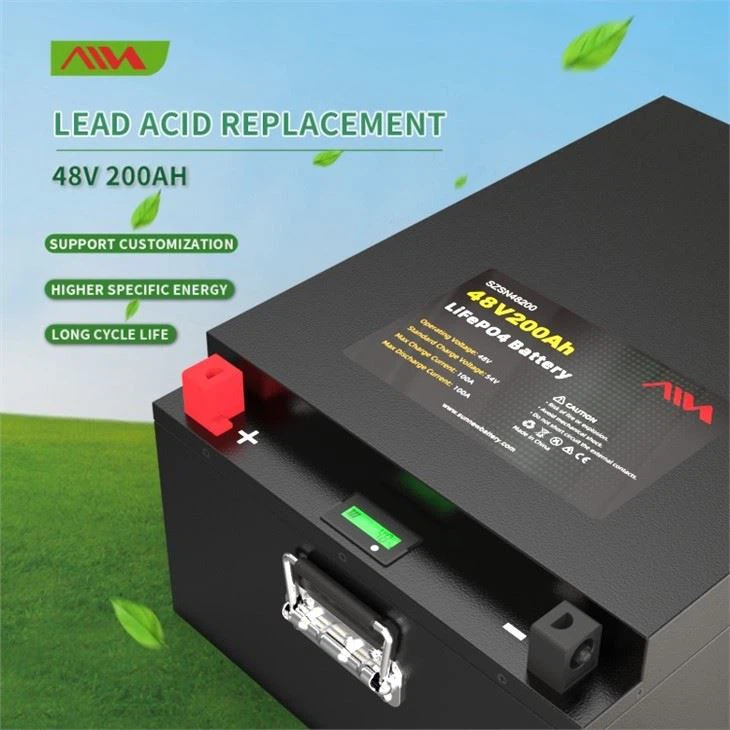
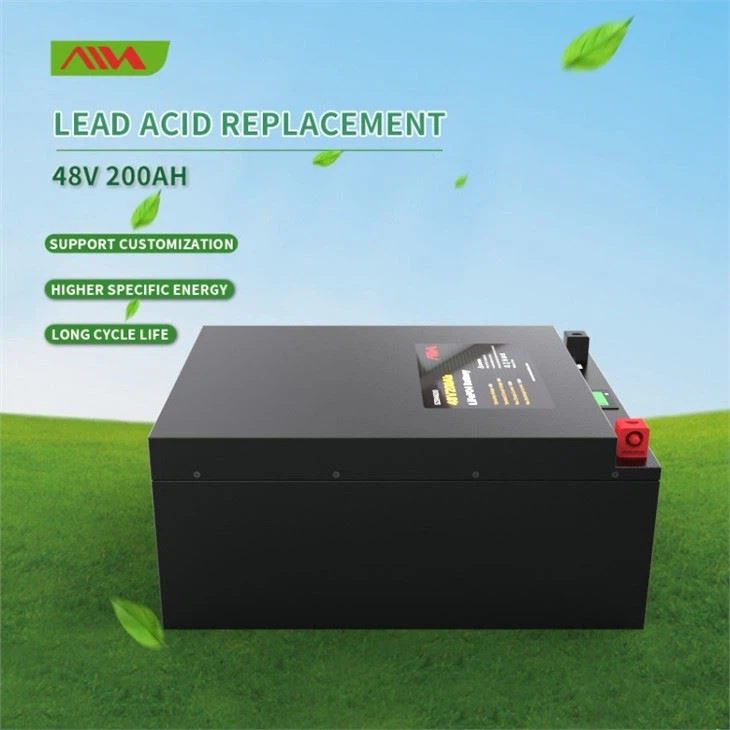
At our company, we offer a range of high - quality forklift batteries, including Deep Cycle 48V 200ah EV Battery and Rechargeable Smart BMS Bluetooth Lithium Ion Battery 48v 100ah Lithium Battery Lifepo4 Battery. Our lithium - ion batteries are designed with high - efficiency charging in mind.
Our batteries are paired with chargers that are specifically designed to optimize the charging process. These chargers use the latest technologies to ensure that the batteries are charged as efficiently as possible. For example, they can adjust the charging parameters based on the battery's state of charge, temperature, and other factors.
In addition, our lithium - ion batteries have a built - in Battery Management System (BMS). The BMS monitors and controls the charging process, preventing overcharging and overheating. This not only improves the charging efficiency but also enhances the safety and lifespan of the battery.
Measuring Charging Efficiency
Measuring the charging efficiency of a forklift battery charger can be done in a laboratory setting. The basic principle is to measure the energy input from the power source and the energy stored in the battery. This can be done using specialized equipment such as power meters and battery testers.
However, in a real - world setting, it can be more challenging to accurately measure the charging efficiency. One way to estimate the efficiency is to monitor the electricity consumption during the charging process and compare it to the battery's rated capacity. If the electricity consumption is significantly higher than the battery's rated capacity, it may indicate a lower charging efficiency.
Improving Charging Efficiency
To improve the charging efficiency of your forklift battery charger, here are some tips:
- Use the Right Charger: Make sure you are using a charger that is specifically designed for your battery type and capacity. Using an incompatible charger can lead to lower efficiency and even damage the battery.
- Maintain the Battery: Regularly maintain your battery by keeping it clean and at the right temperature. A well - maintained battery will have a lower internal resistance, which can improve the charging efficiency.
- Optimize the Charging Schedule: Avoid charging the battery at a high rate if possible. Instead, charge it at a moderate rate over a longer period of time. This can reduce heat generation and improve the overall efficiency.
Conclusion
The charging efficiency of a forklift battery charger is an important factor that can have a significant impact on the performance and cost - effectiveness of your forklift operation. By understanding the factors that affect charging efficiency and choosing the right battery and charger, you can optimize the charging process, reduce energy consumption, and extend the lifespan of your batteries.
If you are interested in learning more about our forklift battery products or have any questions about charging efficiency, we encourage you to reach out to us. Our team of experts is ready to assist you in finding the best solution for your specific needs. Whether you are looking to upgrade your existing forklift batteries or are starting a new forklift fleet, we can provide you with the high - quality products and support you need. Contact us today to start a procurement discussion.
References
- Linden, D., & Reddy, T. B. (2002). Handbook of Batteries. McGraw - Hill.
- Pistoia, G. (Ed.). (2010). Lithium - ion Batteries: Advanced Materials for High - Performance Batteries. Elsevier.