


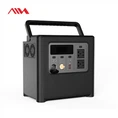
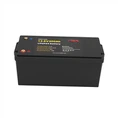

As a supplier of Brick Batteries, I've had numerous inquiries about the power density of these innovative energy storage solutions. Power density is a crucial metric when evaluating batteries, as it directly impacts their performance, size, and suitability for various applications. In this blog post, I'll delve into the concept of power density, explain how it applies to Brick Batteries, and highlight the benefits of our products.
Understanding Power Density
Power density refers to the amount of power that can be delivered by a battery per unit volume or mass. It is typically measured in watts per liter (W/L) or watts per kilogram (W/kg). A high power density means that a battery can deliver a large amount of power in a relatively small and lightweight package. This is particularly important in applications where space and weight are limited, such as electric vehicles, portable electronics, and residential energy storage systems.


To calculate power density, you divide the battery's power output (in watts) by its volume (in liters) or mass (in kilograms). For example, if a battery has a power output of 1000 watts and a volume of 10 liters, its power density would be 100 W/L. Similarly, if the same battery weighs 20 kilograms, its power density would be 50 W/kg.
Power Density of Brick Batteries
Brick Batteries are designed to offer high power density, making them an ideal choice for a wide range of applications. Our LiFePO4 51.2V 200Ah 10Kwh Brick Battery is a prime example of this. With a compact design and advanced lithium iron phosphate (LiFePO4) technology, this battery can deliver a high amount of power in a relatively small package.
The power density of our LiFePO4 51.2V 200Ah 10Kwh Brick Battery is optimized through several key features. First, the use of LiFePO4 chemistry provides a high energy density, which means that more energy can be stored in a given volume. This allows the battery to deliver a high power output while maintaining a compact size. Second, our advanced battery management system (BMS) ensures efficient power delivery and distribution, further enhancing the battery's power density.
In addition to the LiFePO4 51.2V 200Ah 10Kwh Brick Battery, we also offer other high-capacity Brick Batteries, such as the Brick 30KWh Battery For Home ESS and the Brick 20KWh Battery For Home ESS. These batteries are designed to meet the energy storage needs of residential and commercial customers, providing reliable and efficient power storage solutions.
Benefits of High Power Density in Brick Batteries
The high power density of Brick Batteries offers several significant benefits for our customers. Here are some of the key advantages:
- Space Savings: High power density means that Brick Batteries can store and deliver a large amount of power in a relatively small space. This is particularly important in applications where space is limited, such as residential basements, commercial buildings, and electric vehicles. By using Brick Batteries, customers can save valuable space and reduce the overall footprint of their energy storage systems.
- Lightweight Design: In addition to space savings, high power density also results in a lightweight battery design. This is beneficial in applications where weight is a critical factor, such as portable electronics and electric vehicles. The lightweight nature of Brick Batteries makes them easier to install, transport, and integrate into various systems.
- Fast Charging and Discharging: Batteries with high power density can charge and discharge quickly, allowing for rapid energy transfer. This is essential in applications where fast charging and discharging are required, such as electric vehicles and grid-connected energy storage systems. With Brick Batteries, customers can enjoy shorter charging times and faster access to stored energy.
- Enhanced Performance: High power density enables Brick Batteries to deliver a high power output, which translates into improved performance in various applications. Whether it's powering a home during a power outage, providing backup power for a commercial building, or supporting the operation of an electric vehicle, Brick Batteries can meet the demands of high-power applications with ease.
Applications of Brick Batteries
The high power density and other benefits of Brick Batteries make them suitable for a wide range of applications. Here are some of the key areas where our Brick Batteries are being used:
- Residential Energy Storage: Brick Batteries are an excellent choice for residential energy storage systems. They can store excess solar energy generated during the day and release it at night or during periods of high electricity demand. This helps homeowners reduce their reliance on the grid, lower their electricity bills, and increase their energy independence.
- Commercial and Industrial Energy Storage: In commercial and industrial settings, Brick Batteries can be used to store energy for peak shaving, load leveling, and backup power. By storing energy during off-peak hours and using it during peak demand periods, businesses can reduce their electricity costs and improve their energy efficiency.
- Electric Vehicles: The high power density and fast charging capabilities of Brick Batteries make them a promising option for electric vehicles. They can provide the high power output required for acceleration and high-speed driving, while also offering fast charging times to minimize downtime.
- Renewable Energy Integration: Brick Batteries play a crucial role in integrating renewable energy sources, such as solar and wind, into the grid. They can store excess energy generated by renewable sources during periods of high production and release it when the demand is high or when the renewable sources are not producing electricity. This helps to balance the grid and ensure a stable supply of electricity.
Contact Us for Purchase and Consultation
If you're interested in learning more about the power density of our Brick Batteries or exploring how they can meet your energy storage needs, we encourage you to contact us. Our team of experts is available to provide you with detailed information, answer your questions, and assist you in selecting the right battery solution for your application.
Whether you're a homeowner looking to install a residential energy storage system, a business owner seeking to reduce your electricity costs, or an engineer working on a renewable energy project, we have the expertise and products to help you achieve your goals. Don't hesitate to reach out to us and start the conversation about how our Brick Batteries can power your future.
References
- Linden, D., & Reddy, T. B. (2002). Handbook of Batteries. McGraw-Hill.
- Arora, P., & Zhang, J. (2004). Battery separators. Chemical Reviews, 104(10), 4419-4462.
- Goodenough, J. B., & Kim, Y. (2010). Challenges for rechargeable Li batteries. Chemistry of Materials, 22(3), 587-603.