



When it comes to AGM GEL batteries, one of the most common questions I get as a supplier is, "What temperature range is suitable for an AGM GEL battery?" Well, that's what I'm gonna talk about in this blog post, so let's dive right in.
Understanding AGM GEL Batteries
First off, a little background on AGM (Absorbent Glass Mat) and GEL batteries. These are types of valve - regulated lead - acid (VRLA) batteries. AGM batteries use a fiberglass mat to hold the electrolyte, while GEL batteries use a silica gel to suspend the electrolyte. They're known for being maintenance - free, spill - proof, and having a long service life, which makes them popular for various applications like RVs, solar power systems, and backup power supplies.
The Ideal Temperature Range
The ideal temperature range for most AGM GEL batteries is between 20°C to 25°C (68°F to 77°F). In this temperature bracket, the battery can perform at its best. Chemical reactions inside the battery are optimized, which means the battery can charge efficiently, deliver power steadily, and have a longer overall lifespan.
When the battery operates at this optimal temperature, you'll notice that it can hold a charge longer and has a higher capacity. For example, if you're using an AGM GEL battery in an RV, you'll find that you can rely on it to power your appliances for a longer time without having to recharge as frequently.
Effects of High Temperatures
Now, let's talk about what happens when the temperature goes up. When the temperature exceeds 25°C, the chemical reactions inside the battery speed up. While this might seem like a good thing at first, because it can initially increase the battery's performance, it actually has some negative long - term effects.
One of the major issues is accelerated self - discharge. The battery will lose its charge even when it's not in use. Additionally, high temperatures can cause the electrolyte to evaporate more quickly, which can damage the internal structure of the battery. Over time, this can lead to a reduced battery life.
If the temperature gets extremely high, say above 40°C (104°F), the battery could even experience thermal runaway. This is a dangerous situation where the battery's temperature keeps rising on its own, which can cause it to fail prematurely or even become a fire hazard.
Effects of Low Temperatures
On the flip side, low temperatures also have a big impact on AGM GEL batteries. When the temperature drops below 20°C, the battery's performance starts to decline. The chemical reactions slow down, which means the battery has a reduced capacity.
For instance, if you're using an AGM GEL battery in a cold climate for a solar power system, you might find that it can't store as much energy as it could in warmer conditions. It also becomes harder to charge the battery at low temperatures. The charger may need to work harder and longer to bring the battery to a full charge.
If the temperature gets really cold, below freezing (0°C or 32°F), the electrolyte inside the battery can freeze. This can cause the battery casing to crack and damage the internal components. Once the battery has suffered freezing damage, it's usually beyond repair.
Temperature Management Strategies
As a supplier, I always recommend some temperature management strategies to my customers. If you're using AGM GEL batteries in a hot environment, try to keep them in a shaded area or use a battery enclosure with proper ventilation. You can also consider using a battery temperature sensor along with a charger that has temperature compensation. This way, the charger can adjust the charging parameters based on the battery's temperature.
In cold environments, you can insulate the battery to keep it warm. There are also battery warmers available on the market that can be used to maintain the battery at an appropriate temperature.
Applications and Temperature Considerations
Let's take a look at some common applications of AGM GEL batteries and how temperature affects them.
RVs
RV owners often rely on AGM GEL batteries to power their appliances while on the road. If you're traveling through hot desert areas, make sure to park your RV in the shade during the day to keep the batteries cool. In the winter, if you're camping in cold regions, use insulation and battery warmers.
Solar Power Systems
For solar power systems, the batteries are usually installed outdoors. In hot climates, ensure that the battery bank is in a well - ventilated enclosure. In cold areas, you may need to invest in a more advanced temperature management system to ensure the batteries can function properly throughout the year.
Other Battery Options
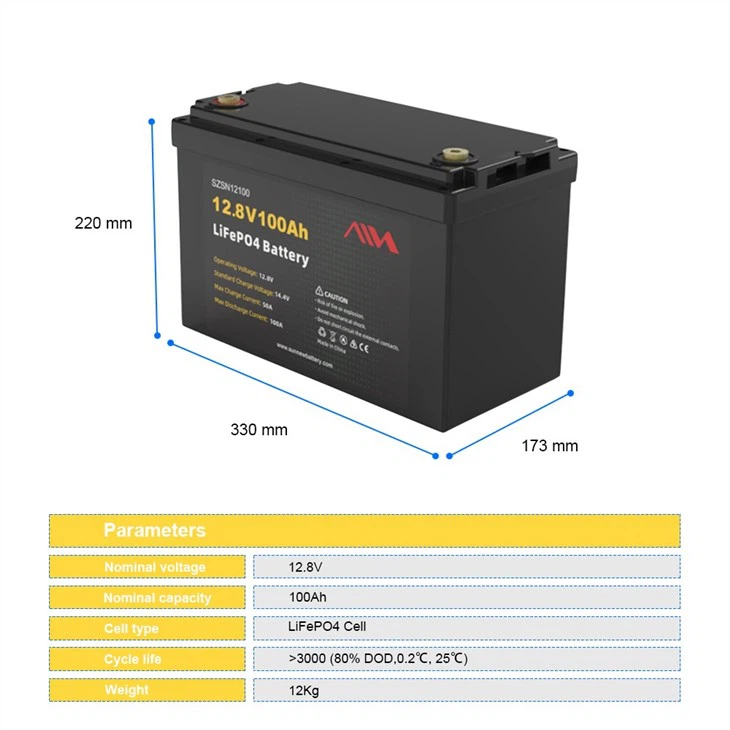
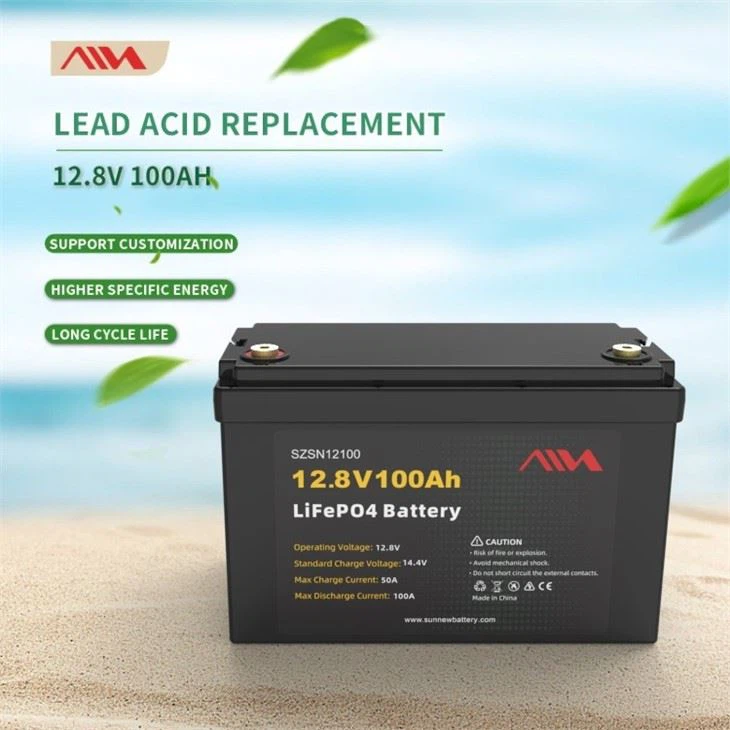
If you're in an environment with extreme temperatures, you might also want to consider other battery technologies. We also offer some great alternatives like the Deep Cycle 12v 100ah Lifepo4 RV Battery Pack. Lithium - iron - phosphate (LiFePO4) batteries like this one have a wider operating temperature range and better performance under extreme conditions compared to AGM GEL batteries.
We also have the Rechargeable 12v Batterie Lithium Ion Lifepo4 Battery Pack 12.8v 300ah Lithium Battery and the LiFePO4 Battery 12v 24v 36v 48v 50ah 100ah 150ah 200ah 300ah Deep Cycle Lithium Ion Battery 12V. These LiFePO4 batteries can handle both high and low temperatures much better, with less impact on their performance and lifespan.
Conclusion
In conclusion, the ideal temperature range for an AGM GEL battery is between 20°C to 25°C. High temperatures can lead to accelerated self - discharge and reduced battery life, while low temperatures can decrease the battery's capacity and make it difficult to charge. By implementing proper temperature management strategies, you can ensure that your AGM GEL batteries perform well and last longer.
If you're interested in purchasing AGM GEL batteries or exploring our other battery options, feel free to reach out. We're here to help you find the best battery solution for your needs. Whether you're an RV enthusiast, a solar power system installer, or someone in need of backup power, we've got you covered.
References
- Battery University: "Understanding Lead - Acid Batteries"
- IEEE Transactions on Energy Conversion: "Temperature Effects on Valve - Regulated Lead - Acid Batteries"