



Hey there, outdoor enthusiasts! As a supplier of outdoor batteries, I've seen firsthand the diverse needs and preferences when it comes to powering your adventures. In this blog, I'm gonna break down the different types of outdoor batteries available on the market, so you can make an informed decision for your next outdoor escapade.
Lead - Acid Batteries
Let's start with the old - school option: lead - acid batteries. These have been around for ages and are still widely used, especially in some traditional outdoor setups. They come in two main types: flooded lead - acid (FLA) and sealed lead - acid (SLA).
Flooded lead - acid batteries are the more basic kind. They're relatively inexpensive, but they do require some maintenance. You've gotta check the water levels regularly and make sure they're properly ventilated because they release hydrogen gas during charging. These are often used in larger outdoor power systems, like those powering small cabins or boats.
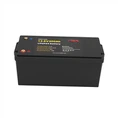
Sealed lead - acid batteries, on the other hand, are a bit more user - friendly. They don't need water refilling and can be used in various orientations. They're less prone to spills, which makes them safer for transport. You'll often find them in things like electric wheelchairs, but they're also used in some portable outdoor power stations. However, they do have a shorter lifespan compared to some other battery types, and they're heavier.
Lithium - Ion Batteries
Lithium - ion batteries are like the cool kids on the block when it comes to outdoor power. They've got a bunch of advantages that make them super popular. First off, they're lightweight. If you're backpacking or need to carry your power source around a lot, this is a huge plus.
They also have a high energy density, which means they can store a lot of power in a relatively small space. This translates to longer run - times for your devices. Lithium - ion batteries charge faster than lead - acid batteries, and they have a lower self - discharge rate. That means they'll hold their charge for longer when you're not using them.
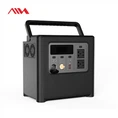
Many modern portable power stations, like the SNE1000W Portable Power Station, are powered by lithium - ion batteries. It's a great option for camping, RVing, or even as a backup power source during emergencies. The only downside is that they're more expensive upfront, but considering their performance and lifespan, it's often worth the investment.
Nickel - Metal Hydride (NiMH) Batteries
NiMH batteries are another option you might come across. They're a step up from the old nickel - cadmium (NiCd) batteries. NiMH batteries have a higher energy density than NiCd batteries and don't suffer from the "memory effect" that NiCd batteries do. The memory effect is when a battery "remembers" a partial charge and loses its full capacity over time.
These batteries are commonly used in smaller, portable devices like flashlights, portable radios, and some small power tools. They're relatively affordable and can be recharged many times. However, they do have a higher self - discharge rate compared to lithium - ion batteries, so they'll lose their charge faster when not in use.
Portable Generators
Portable generators are a bit different from traditional batteries, but they're still an important part of the outdoor power landscape. They come in various sizes and power outputs. For example, the 600W Portable Generator For Outdoor Camping is a great option for camping trips.
These generators typically run on gasoline, propane, or diesel. Gasoline generators are the most common. They're relatively inexpensive to buy and can provide a decent amount of power. However, they're noisy, produce emissions, and require regular maintenance, like changing the oil and spark plugs.


Propane generators are cleaner - burning and quieter than gasoline generators. They also have a longer shelf life for fuel, which is great if you're not using your generator often. Diesel generators are more fuel - efficient and durable, but they're usually more expensive and heavier.
Solar - Powered Batteries and Power Stations
Solar power is becoming increasingly popular for outdoor use. Solar - powered batteries and power stations allow you to harness the sun's energy to charge your devices. The 700W Solar Portable Power Station is a prime example.
These systems usually consist of solar panels and a battery storage unit. The solar panels collect sunlight and convert it into electricity, which is then stored in the battery. They're great for off - grid camping or when you want to reduce your carbon footprint. The main drawback is that they rely on sunlight, so they might not be as reliable on cloudy days or during the winter months. But with advances in technology, many solar power stations now come with multiple charging options, including AC and DC inputs, so you can still charge them when the sun isn't shining.
Choosing the Right Outdoor Battery for You
So, how do you decide which type of outdoor battery is right for you? Well, it depends on a few factors.
If you're going on a short camping trip and only need to power a few small devices like a phone and a flashlight, a NiMH battery or a small lithium - ion power bank might be sufficient.
For longer camping trips or if you need to power larger appliances like a fridge or a TV, a portable power station with a lithium - ion battery or a portable generator would be a better choice.
If you're an eco - conscious camper and want to use renewable energy, a solar - powered battery system is the way to go. Just make sure you have enough sunlight and that the system has enough capacity to meet your needs.
Why Choose Our Outdoor Batteries
As an outdoor battery supplier, we take pride in offering high - quality products. Our range of batteries and power stations is carefully selected to meet the diverse needs of outdoor enthusiasts. Whether you're a casual camper or a hardcore adventurer, we've got you covered.
We offer a variety of brands and models, so you can find the perfect fit for your budget and requirements. Our customer service team is always on hand to answer any questions you might have and help you make the right choice.
Let's Connect
If you're interested in purchasing outdoor batteries or power stations, we'd love to hear from you. Whether you have questions about our products, need advice on which battery is right for your specific situation, or are ready to place an order, don't hesitate to reach out. We're here to make your outdoor power experience as smooth and enjoyable as possible.
References
- Battery University: A comprehensive resource for battery technology and information.
- Outdoor Gear Lab: Provides reviews and comparisons of outdoor power products.