


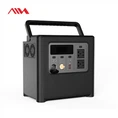
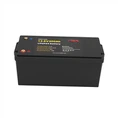

As a supplier of solar generators, I often receive inquiries from customers about the compatibility between solar generators and solar panels. This is a crucial aspect to consider when setting up a solar power system, as an incompatible combination can lead to inefficient energy conversion, reduced battery life, and even potential damage to the equipment. In this blog post, I will share some key factors to help you determine if a solar generator is compatible with your solar panels.

Understanding the Basics of Solar Panels and Solar Generators
Before delving into compatibility, it's essential to understand the basic functions of solar panels and solar generators. Solar panels are designed to convert sunlight into electricity through the photovoltaic effect. They produce direct current (DC) electricity, which needs to be regulated and stored for later use. On the other hand, solar generators are equipped with a battery, an inverter, and a charge controller. The charge controller regulates the voltage and current from the solar panels to prevent overcharging and damage to the battery. The inverter converts the DC electricity stored in the battery into alternating current (AC) electricity, which can be used to power various electrical devices.
Voltage Compatibility
One of the primary factors to consider when assessing compatibility is the voltage of the solar panels and the solar generator. Solar panels typically have a rated voltage, which indicates the voltage they produce under standard test conditions. Similarly, solar generators have a specific input voltage range that they can accept. To ensure compatibility, the voltage output of the solar panels should fall within the input voltage range of the solar generator.
For example, if your solar panels have a rated voltage of 24 volts, you need to choose a solar generator that can accept a 24-volt input. Using solar panels with a voltage higher or lower than the generator's input range can lead to inefficient charging or even damage to the generator's components.

Power Output and Charging Speed
Another important consideration is the power output of the solar panels and the charging speed of the solar generator. The power output of solar panels is measured in watts (W) and indicates the amount of electricity they can produce under ideal conditions. The charging speed of a solar generator, on the other hand, is determined by its charge controller and battery capacity.

To ensure efficient charging, the power output of the solar panels should be compatible with the charging capacity of the solar generator. A general rule of thumb is to choose solar panels with a power output that is at least equal to or slightly higher than the maximum charging rate of the solar generator. This will allow the solar generator to charge as quickly as possible without overloading the charge controller.
For instance, if you have a solar generator with a maximum charging rate of 200 watts, you should choose solar panels with a combined power output of at least 200 watts or more. This will ensure that the solar generator can charge efficiently, even under less-than-ideal sunlight conditions.
Connector Compatibility
In addition to voltage and power output, connector compatibility is also crucial for ensuring a proper connection between the solar panels and the solar generator. Solar panels typically come with specific connectors, such as MC4 connectors, which are used to connect the panels to each other and to the charge controller. Similarly, solar generators have specific input connectors that are designed to accept the output from the solar panels.
Before purchasing a solar generator, make sure to check the type of connectors it uses and ensure that they are compatible with the connectors on your solar panels. If the connectors are not compatible, you may need to purchase adapter cables or connectors to make the connection.
Battery Compatibility
The battery is an essential component of a solar generator, and its compatibility with the solar panels is also important. Different solar generators use different types of batteries, such as lead-acid batteries, lithium-ion batteries, and lithium iron phosphate (LiFePO4) batteries. Each type of battery has its own charging requirements and characteristics.
When choosing a solar generator, make sure to consider the type of battery it uses and ensure that it is compatible with the charging profile of your solar panels. For example, lithium-ion batteries typically require a more precise charging voltage and current than lead-acid batteries. Using solar panels that are not compatible with the battery type can lead to overcharging, undercharging, or reduced battery life.
Real-World Examples of Compatible Solar Generators and Solar Panels
To illustrate the concept of compatibility, let's take a look at some real-world examples of solar generators and solar panels that are compatible with each other.

- Sunnew 2304Wh High Capacity Lithium Iron Battery Accessories Solar Charging 800W Quick Charge Portable Power Station: This solar generator has a high-capacity lithium iron phosphate battery and can accept a maximum input power of 800 watts. It is compatible with solar panels that have a voltage output of 12-48 volts and a combined power output of up to 800 watts. This makes it a versatile option for charging various electrical devices, both indoors and outdoors.
- 800W Solar Portable Power Station: As the name suggests, this solar generator has a maximum power output of 800 watts and can be charged using solar panels. It is designed to be portable and easy to use, making it ideal for camping, outdoor events, and emergency power backup. It is compatible with solar panels that have a voltage output of 12-24 volts and a combined power output of up to 800 watts.
- Sunnew Portable Outdoor Solar Energy System Power Station 700w Lithium Ion Portable Power Station: This solar generator is equipped with a lithium-ion battery and has a maximum power output of 700 watts. It is suitable for powering small to medium-sized electrical devices, such as laptops, smartphones, and LED lights. It is compatible with solar panels that have a voltage output of 12-24 volts and a combined power output of up to 700 watts.
Conclusion
Determining the compatibility between a solar generator and solar panels is crucial for ensuring efficient energy conversion, optimal battery life, and reliable performance. By considering factors such as voltage compatibility, power output, connector compatibility, and battery compatibility, you can choose a solar generator that is compatible with your solar panels and meets your specific energy needs.
If you have any questions or need further assistance in selecting a compatible solar generator and solar panels, please feel free to contact us. Our team of experts is always ready to help you find the best solution for your solar power system. We look forward to discussing your requirements and assisting you in making the right choice for your energy needs.
References
- Solar Energy Industries Association (SEIA). (n.d.). Solar 101: How Solar Works. Retrieved from [SEIA Website]
- National Renewable Energy Laboratory (NREL). (n.d.). Photovoltaic Cell Basics. Retrieved from [NREL Website]
- Battery University. (n.d.). Battery Charging Methods. Retrieved from [Battery University Website]