


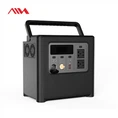

When it comes to installing a home battery, understanding the necessary installation permits is crucial. As a home battery supplier, I've encountered numerous customers who are eager to embrace the benefits of home battery systems but are often confused about the permitting process. In this blog post, I'll break down the common installation permits required for a home battery and provide you with valuable insights to ensure a smooth installation process.
Understanding the Basics of Home Battery Installation Permits
Home battery systems are becoming increasingly popular as homeowners seek to reduce their reliance on the grid, store excess solar energy, and have backup power during outages. However, installing a home battery is not as simple as plugging it in. In many areas, local authorities require specific permits to ensure that the installation meets safety and electrical code standards.
The type of permits needed can vary widely depending on your location, the size and capacity of the battery, and the complexity of the installation. Generally, the following types of permits are commonly required:
Electrical Permit
An electrical permit is perhaps the most common requirement for home battery installation. This permit ensures that the electrical work associated with the battery installation is done safely and in compliance with local electrical codes. The electrical permit typically covers the wiring, connections, and any electrical components involved in the installation, such as inverters and charge controllers.
When applying for an electrical permit, you'll usually need to provide detailed plans of the electrical system, including the location of the battery, the wiring layout, and the specifications of the electrical components. A licensed electrician will often be required to perform the installation and sign off on the work to ensure it meets the necessary standards.
Building Permit
In some cases, a building permit may also be required for home battery installation, especially if the battery is being installed in a new structure or if the installation involves modifications to an existing building. A building permit ensures that the installation complies with local building codes, including structural, fire safety, and ventilation requirements.
For example, if you're installing a large battery system in a basement or a garage, you may need to demonstrate that the space has adequate ventilation to prevent the buildup of potentially hazardous gases. You may also need to show that the structure can support the weight of the battery and any associated equipment.
Zoning Permit
Zoning permits are another consideration for home battery installation. Zoning regulations govern the use of land and buildings in a particular area, and they can impact where you can install a home battery. Some areas may have restrictions on the placement of batteries, such as setbacks from property lines or limitations on the size of the battery system.
Before installing a home battery, it's important to check with your local zoning department to determine if any zoning permits are required. You may need to provide information about the size, location, and appearance of the battery system to ensure it complies with local zoning regulations.
Factors Affecting Permit Requirements
Several factors can influence the permit requirements for home battery installation. Here are some key considerations:

Battery Size and Capacity
The size and capacity of the home battery can have a significant impact on the permit requirements. Larger batteries typically require more complex electrical systems and may pose greater safety risks, so they may be subject to more stringent permitting requirements.

For example, a small, portable battery like the Sunnew 2304Wh High Capacity Lithium Iron Battery Accessories Solar Charging 800W Quick Charge Portable Power Station may have fewer permitting requirements compared to a large, stationary battery system with a high capacity.
Installation Location
The location where the home battery is installed can also affect the permit requirements. Installing a battery indoors, such as in a basement or a closet, may require different permits compared to an outdoor installation. Outdoor installations may need to comply with additional environmental and safety regulations, such as protection from the elements and prevention of wildlife access.

Connection to the Grid
If your home battery system is connected to the grid, you may need to obtain additional permits or approvals from your utility company. Grid-connected systems must meet specific safety and performance standards to ensure they do not interfere with the electrical grid. Your utility company may require you to submit detailed plans and specifications for the system and may conduct an inspection before approving the connection.
The Permitting Process
The permitting process for home battery installation can be complex and time-consuming, but it's an important step to ensure the safety and compliance of your system. Here's a general overview of the typical permitting process:
Research and Planning
Before starting the installation, research the permit requirements in your area. Contact your local building department, electrical inspector, and zoning department to find out what permits are needed and what documentation is required. Plan your installation carefully to ensure it meets all the necessary standards.
Application Submission
Once you have gathered all the required documentation, submit your permit application to the appropriate authorities. The application may include detailed plans, specifications, and information about the installer. You may also need to pay a fee for the permit.
Inspection
After your permit application is approved, a building inspector or electrical inspector will typically conduct an inspection of the installation to ensure it meets the required standards. The inspector may check the wiring, connections, ventilation, and other aspects of the installation. If any issues are found, you'll need to make the necessary corrections before the installation can be approved.
Final Approval
Once the inspection is complete and all the issues have been resolved, you'll receive final approval for your home battery installation. This approval indicates that the installation is safe and compliant with local codes and regulations.
Our Role as a Home Battery Supplier
As a home battery supplier, we understand the challenges and complexities of the permitting process. That's why we're committed to providing our customers with the support and guidance they need to navigate the process successfully.
We work closely with licensed electricians and installers who are familiar with the local permit requirements in your area. Our team can help you understand the permit requirements, provide the necessary documentation, and coordinate with the authorities to ensure a smooth installation process.
In addition to our support with the permitting process, we offer a wide range of high-quality home battery systems to meet your specific needs. Whether you're looking for a small, portable battery like the Sunnew 2304Wh High Capacity Lithium Iron Battery Accessories Solar Charging 800W Quick Charge Portable Power Station or a larger, stationary battery system, we have the right solution for you.
We also offer 700W Solar Portable Power Station and 800W Solar Portable Power Station options that are designed to provide reliable and efficient power for your home. Our products are backed by our commitment to quality and customer satisfaction, and we stand behind every battery we sell.
Contact Us for More Information
If you're interested in installing a home battery system and want to learn more about the installation permits required, we're here to help. Our team of experts can answer your questions, provide you with detailed information about the permitting process, and assist you in choosing the right home battery system for your needs.
Contact us today to start the conversation. We look forward to working with you to make your home battery installation a success.
References
- Local building codes and regulations
- Electrical safety standards
- Utility company requirements