




When it comes to understanding the cost of an Automated Guided Vehicle (AGV) battery, as an AGV battery supplier, I've delved deep into the factors that influence pricing. In this blog post, I'll break down the various elements that contribute to the cost of an AGV battery, providing you with a comprehensive overview to help you make informed decisions for your AGV operations.
Understanding the Basics of AGV Batteries
AGV batteries are the lifeblood of automated guided vehicles, powering their movement, operation, and functionality. These batteries come in different chemistries, including lead - acid, lithium - ion (such as LiFePO4), and nickel - cadmium, each with its own set of characteristics, advantages, and cost implications.
Factors Affecting the Cost of AGV Batteries
1. Battery Chemistry
- Lead - Acid Batteries: Historically, lead - acid batteries have been a popular choice for AGVs due to their relatively low upfront cost. They are well - established in the market and are available in a wide range of sizes and capacities. However, they have some drawbacks, such as a shorter lifespan, lower energy density, and the need for regular maintenance. The cost of lead - acid batteries can range from a few hundred to a couple of thousand dollars, depending on the size and capacity.
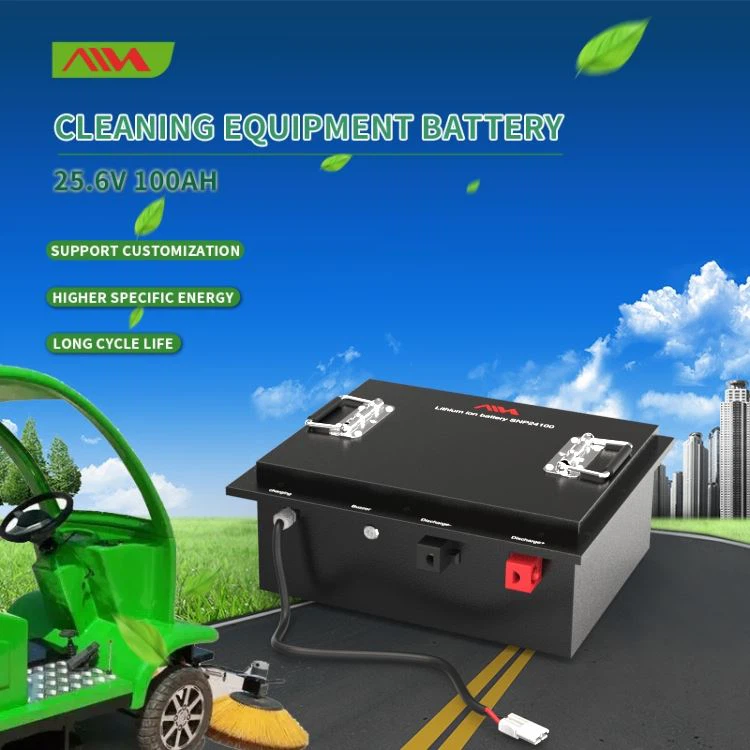
- Lithium - Ion Batteries (LiFePO4): Lithium - ion batteries, particularly LiFePO4, have gained significant traction in recent years. They offer several advantages over lead - acid batteries, including a longer lifespan, higher energy density, faster charging times, and lower maintenance requirements. As a result, the upfront cost of LiFePO4 batteries is generally higher than that of lead - acid batteries. For example, a Customized LiFePO4 24V 50Ah 100Ah Floor Cleaning Machine Battery Operated Floor Sweeper Battery might cost more initially but can provide long - term savings due to its extended lifespan and better performance.
- Nickel - Cadmium Batteries: Nickel - cadmium batteries are known for their high power density and ability to withstand harsh environments. However, they contain toxic cadmium, which raises environmental concerns. Their cost is usually between lead - acid and lithium - ion batteries, and they are less commonly used in modern AGV applications.
2. Capacity and Voltage
The capacity of a battery, measured in ampere - hours (Ah), and its voltage are important factors in determining the cost. Higher - capacity batteries can store more energy, allowing AGVs to operate for longer periods between charges. Similarly, higher - voltage batteries can provide more power, enabling faster operation of the AGV. As a general rule, the cost of a battery increases with its capacity and voltage. For instance, a Sweeper Robot 24V 100ah Lifepo4 Battery will typically cost more than a lower - capacity 24V battery due to its ability to store more energy.
3. Brand and Quality
Well - known brands often command a premium price for their AGV batteries. This is because they invest in research and development, use high - quality materials, and have strict quality control measures in place. A high - quality battery from a reputable brand is more likely to have a longer lifespan, better performance, and fewer issues over time. While it may be tempting to opt for a cheaper, lesser - known brand, it's important to consider the long - term cost and reliability of the battery.
4. Charging Technology
The type of charging technology used with the AGV battery can also impact the overall cost. Fast - charging technologies, which allow AGVs to recharge quickly and minimize downtime, often come at a higher price. Additionally, smart charging systems that can optimize the charging process, extend battery life, and prevent overcharging or undercharging may add to the cost.
5. Customization Requirements
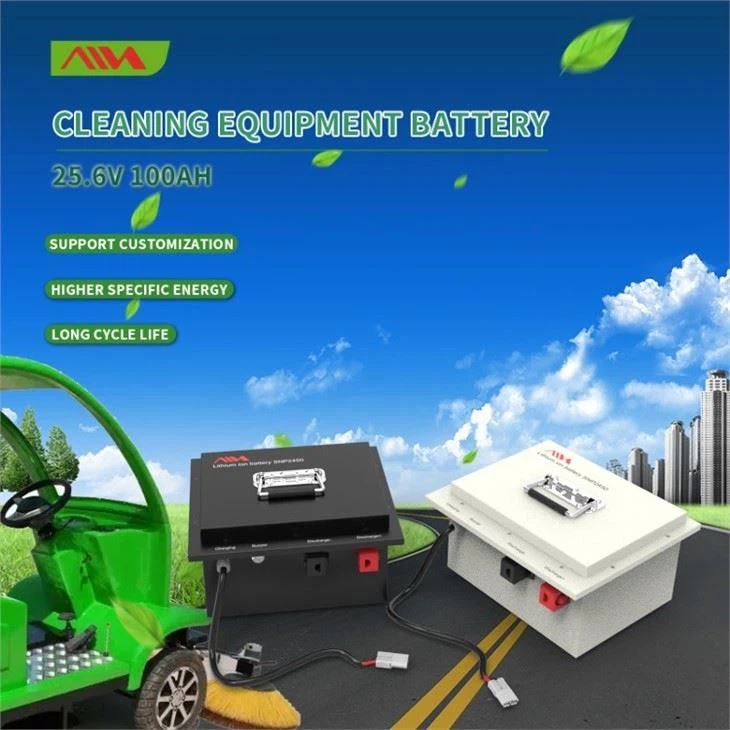
If your AGV has specific power requirements or physical dimensions, you may need a customized battery. Customization can involve modifying the battery's capacity, voltage, shape, or other features to fit your AGV's needs. Customized batteries generally cost more than standard off - the - shelf batteries due to the additional engineering and manufacturing processes involved. For example, a Cleaning Equipment Battery Pack 24V 50ah that is customized for a particular cleaning machine may have a higher price tag.
Calculating the Total Cost of Ownership
When evaluating the cost of an AGV battery, it's important to consider the total cost of ownership (TCO) rather than just the upfront cost. The TCO includes the purchase price of the battery, as well as the cost of charging, maintenance, replacement, and any associated downtime.
- Charging Costs: The cost of charging an AGV battery depends on the electricity rate in your area and the battery's charging efficiency. Lithium - ion batteries, for example, are generally more energy - efficient than lead - acid batteries, which can result in lower charging costs over time.
- Maintenance Costs: Lead - acid batteries require regular maintenance, such as checking the electrolyte levels and cleaning the terminals. This maintenance can add to the overall cost of ownership. In contrast, lithium - ion batteries have lower maintenance requirements, which can save you money in the long run.
- Replacement Costs: The lifespan of an AGV battery varies depending on the chemistry and usage. A battery with a longer lifespan will need to be replaced less frequently, reducing the replacement costs. Lithium - ion batteries typically have a longer lifespan than lead - acid batteries, which can offset their higher upfront cost.
- Downtime Costs: If an AGV is out of service due to a battery issue, it can result in lost productivity and revenue. Batteries with faster charging times and longer runtimes can minimize downtime, reducing the associated costs.
Making the Right Choice
When choosing an AGV battery, it's important to balance the upfront cost with the long - term benefits. Consider your AGV's specific requirements, such as the operating environment, duty cycle, and charging infrastructure. If your AGV operates in a high - traffic area with limited charging time, a lithium - ion battery with fast - charging capabilities may be a better choice, despite its higher upfront cost. On the other hand, if cost is a major concern and your AGV has a relatively low - duty cycle, a lead - acid battery may be sufficient.
Contact Us for Your AGV Battery Needs
As an AGV battery supplier, we understand the importance of providing high - quality batteries at competitive prices. We offer a wide range of AGV batteries, including LiFePO4 and lead - acid batteries, to meet your specific needs. Whether you're looking for a standard off - the - shelf battery or a customized solution, our team of experts can help you find the right battery for your AGV. If you're interested in learning more about our products or would like to discuss your requirements, please feel free to contact us. We're here to assist you in making the best decision for your AGV operations.
References
- Battery University. (n.d.). Understanding Battery Chemistries. Retrieved from [Battery University Website]
- AGV Industry Reports. (Various Years). Market Trends and Analysis of AGV Batteries.