



As a supplier of cabinet batteries, I've witnessed firsthand the growing demand for energy storage solutions in various industries. High-frequency charging has become a common practice, especially in applications where quick turnaround times are crucial. However, it's essential to understand the impact of high-frequency charging on cabinet batteries to ensure their long-term performance and reliability.
Understanding High-Frequency Charging
High-frequency charging refers to the process of charging a battery at a rapid rate, often using a high-frequency charger. This method is designed to reduce charging time and increase the efficiency of the charging process. In the context of cabinet batteries, high-frequency charging is commonly used in solar energy storage systems, electric vehicles, and other applications where fast charging is desirable.
One of the primary advantages of high-frequency charging is its ability to significantly reduce charging time. By delivering a higher current to the battery, the charger can replenish the battery's energy more quickly. This is particularly beneficial in applications where downtime needs to be minimized, such as in solar energy storage systems where the battery needs to be ready to supply power during peak demand periods.
Impact on Battery Life
While high-frequency charging offers the advantage of fast charging, it also has the potential to impact the battery's lifespan. The high current and voltage levels associated with high-frequency charging can generate more heat within the battery. Excessive heat is one of the leading causes of battery degradation, as it can accelerate the chemical reactions inside the battery and lead to the breakdown of the battery's components.
Over time, the repeated exposure to high temperatures during high-frequency charging can cause the battery's electrodes to degrade, reducing its capacity and overall performance. This can result in a shorter battery life and a decrease in the battery's ability to hold a charge. Additionally, the high current can also cause stress on the battery's internal structure, leading to the formation of dendrites – tiny metal filaments that can grow inside the battery and cause short circuits.
To mitigate these risks, it's crucial to use a high-quality charger that is designed to regulate the charging process and prevent overheating. Chargers with advanced temperature sensors and charging algorithms can adjust the charging current and voltage based on the battery's temperature and state of charge, ensuring that the battery is charged safely and efficiently.
Impact on Battery Performance
In addition to affecting battery life, high-frequency charging can also impact the battery's performance in the short term. The high current levels can cause the battery's voltage to fluctuate, which can affect the stability of the power supply. This can be particularly problematic in applications where a stable power output is required, such as in sensitive electronic devices.
Moreover, high-frequency charging can also lead to a phenomenon known as battery polarization. This occurs when the battery's internal resistance increases during charging, causing a voltage drop across the battery. Polarization can reduce the efficiency of the charging process and make it more difficult to fully charge the battery. To counteract polarization, some chargers use techniques such as pulse charging or equalization charging to balance the battery's cells and improve its performance.
Case Studies and Real-World Examples
To illustrate the impact of high-frequency charging on cabinet batteries, let's consider a few real-world examples. In a solar energy storage system, a cabinet battery is often charged during the day when solar panels are generating excess electricity. If the battery is charged using a high-frequency charger, it can quickly store the energy for use during the evening when the demand for electricity is higher.
However, if the charger is not properly regulated, the high-frequency charging can cause the battery to overheat, leading to a decrease in its capacity over time. In one case study, a solar energy storage system using a cabinet battery experienced a significant reduction in battery performance after several months of high-frequency charging. The system's operators noticed that the battery was not able to hold a charge as long as it used to, and the overall efficiency of the system had decreased.
After conducting an analysis, it was found that the high-frequency charger was not properly regulating the charging process, causing the battery to overheat. By replacing the charger with a more advanced model that had better temperature control and charging algorithms, the battery's performance was restored, and its lifespan was extended.
Choosing the Right Cabinet Battery for High-Frequency Charging
When selecting a cabinet battery for high-frequency charging applications, it's important to consider several factors. First, choose a battery with a high charge acceptance rate. Batteries with a higher charge acceptance rate can handle higher charging currents without overheating, making them more suitable for high-frequency charging.
Second, look for batteries with a good thermal management system. Batteries with built-in cooling mechanisms, such as heat sinks or fans, can dissipate heat more effectively, reducing the risk of overheating during high-frequency charging.
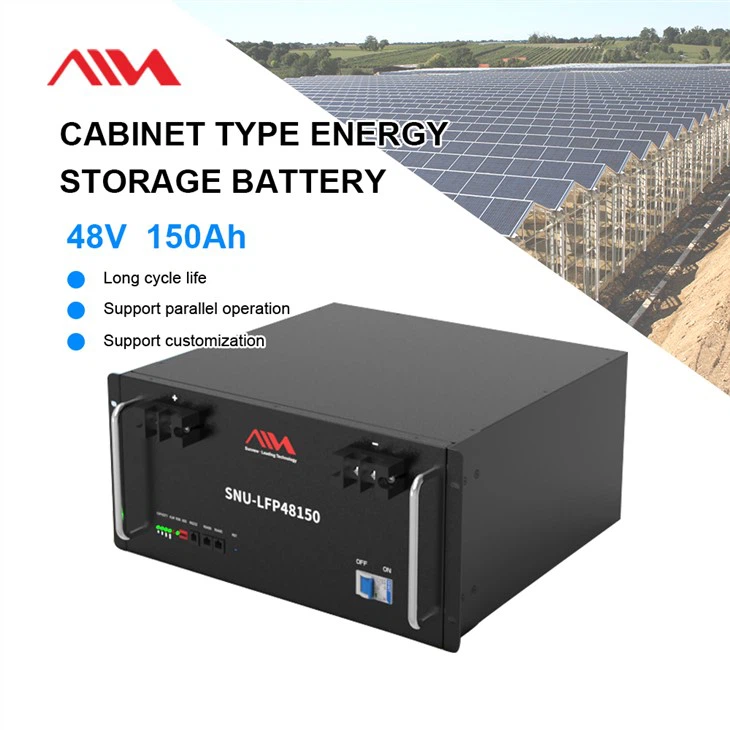
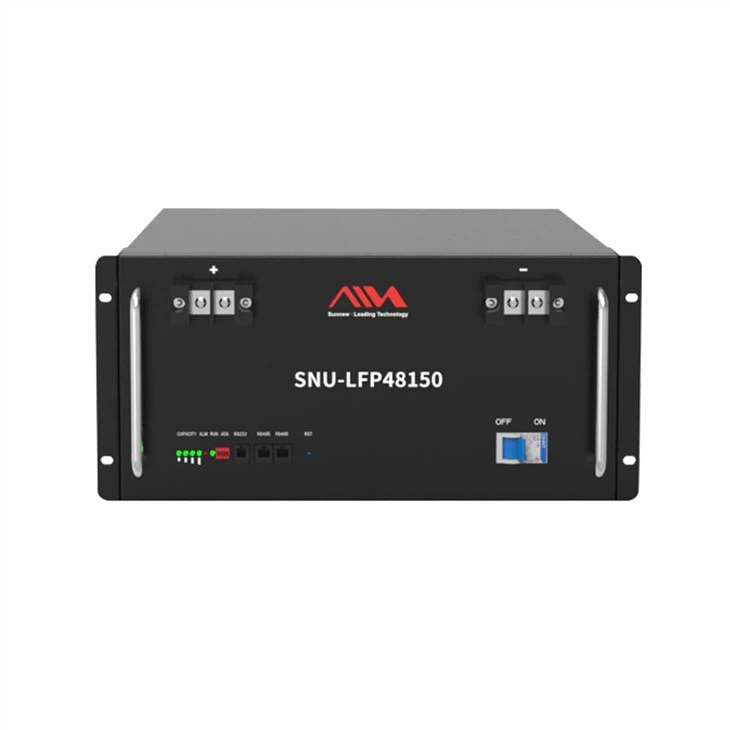
Finally, consider the battery's chemistry. Lithium-ion batteries, such as Solar Battery 48v 150ah High Quality Deep Cycle Lithium Ion Batteries Lifepo4 Battery Pack, Solar Energy Storage System 48V 50Ah Battery LifePO4 Cabinet Type Lithium Ion Battery, and LiFePO4 Battery LFP Lithium Iron Phosphate Pack Solar Energy Storage System 48V 100AH 5kwh, are known for their high energy density, long lifespan, and good charge acceptance. They are also less prone to overheating compared to other battery chemistries, making them a popular choice for high-frequency charging applications.
Conclusion
In conclusion, high-frequency charging can offer significant benefits in terms of reducing charging time and increasing the efficiency of energy storage systems. However, it also has the potential to impact the battery's lifespan and performance if not managed properly. As a cabinet battery supplier, I recommend using high-quality chargers with advanced charging algorithms and temperature control to ensure the safe and efficient operation of the battery.
When choosing a cabinet battery for high-frequency charging applications, consider factors such as charge acceptance rate, thermal management, and battery chemistry. By making informed decisions and taking the necessary precautions, you can maximize the benefits of high-frequency charging while minimizing its negative impacts on the battery.
If you're interested in learning more about our cabinet batteries or have any questions about high-frequency charging, please feel free to contact us. We're here to help you find the best energy storage solution for your needs and ensure that your battery performs optimally for years to come.
References
- "Battery Charging Technologies and Their Impact on Battery Life" - Journal of Power Sources
- "High-Frequency Charging of Lithium-Ion Batteries: A Review" - IEEE Transactions on Industrial Electronics
- "Thermal Management in Battery Systems for Electric Vehicles and Energy Storage" - Energy Storage Materials